

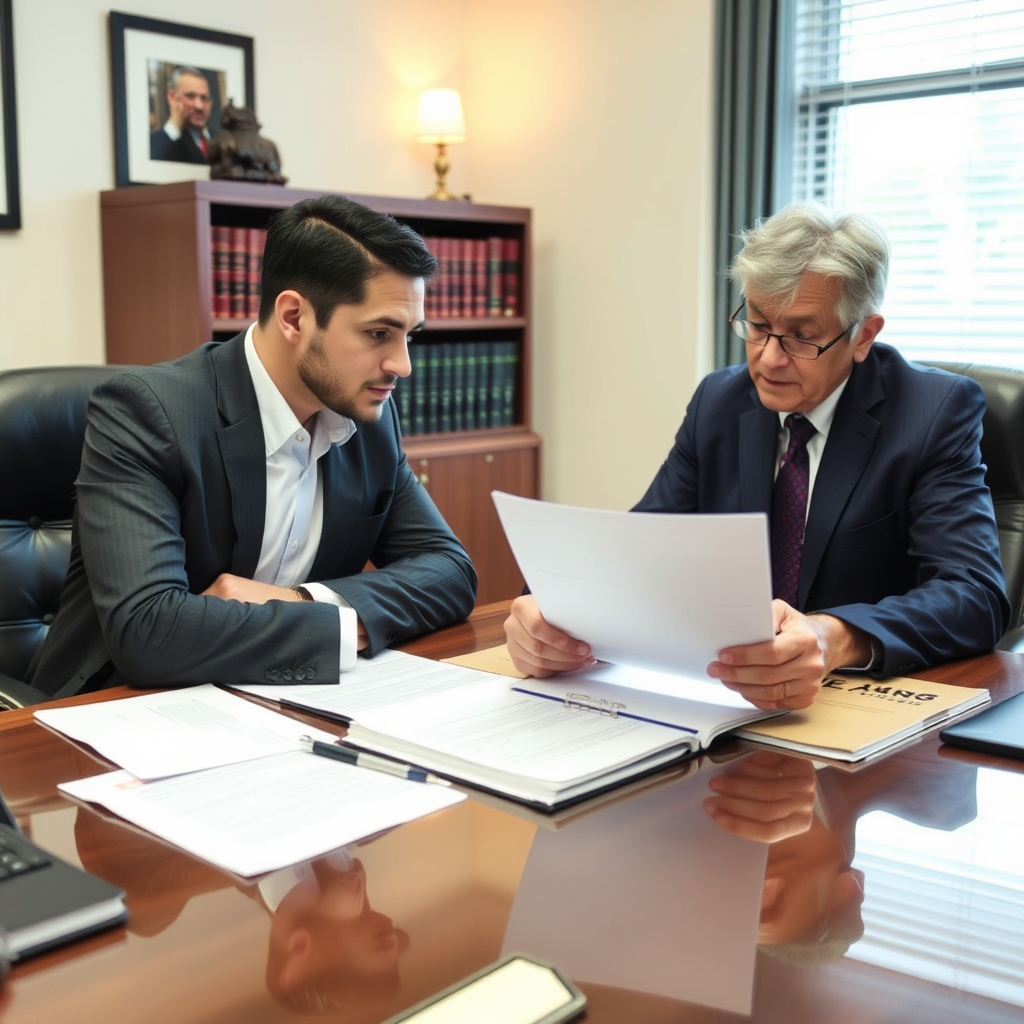
Facing a Repeat DWI in Rensselaer, NY? Get a Knowledgeable Lawyer Now
As of December 2025, the following information applies. In Rensselaer, NY, a repeat DWI charge involves significantly harsher penalties, including mandatory jail time, license revocation, and substantial fines. Defending these cases requires a thorough understanding of New York State law, challenging evidence, and exploring all available legal avenues. The Law Offices Of SRIS, P.C. provides dedicated legal defense for these matters.
Confirmed by Law Offices Of SRIS, P.C.
What is a Repeat DWI in Rensselaer, NY?
Simply put, a Repeat DWI (Driving While Intoxicated) in Rensselaer, NY, means you’re facing charges for operating a vehicle under the influence of alcohol or drugs, and you’ve had a prior DWI conviction within a specific timeframe. New York State law treats these offenses with increasing severity. A first offense might mean fines and a license suspension, but subsequent offenses stack up quickly, bringing mandatory jail time, lengthy license revocations, and the installation of an ignition interlock device in your vehicle. It’s not just a traffic ticket; it’s a serious criminal charge with life-altering implications. Each prior conviction within the lookback period amplifies the consequences, transforming what might seem like a simple mistake into a high-stakes legal battle. This isn’t just about losing your driving privileges; it’s about potential incarceration, significant financial strain, and a lasting mark on your criminal record. The court and the District Attorney’s office in Rensselaer will view your case with a much sterner eye than a first-time offender.
Takeaway Summary: A repeat DWI in Rensselaer, NY, escalates rapidly into a severe criminal charge with intensified penalties due to prior convictions. (Confirmed by Law Offices Of SRIS, P.C.)
How to Defend Against a Repeat DWI Charge in Rensselaer, NY?
Defending against a repeat DWI charge is like dismantling a complex machine; you need to understand every moving part and how they interact. It’s not just about saying “I’m innocent” or hoping for leniency. It requires a meticulous, aggressive, and knowledgeable legal strategy. You’re up against an experienced prosecution team that often sees repeat offenders as a public safety threat, making their approach particularly stringent. Here’s a look at the critical steps involved in building a robust defense:
-
Thoroughly Review the Arrest Procedures and Evidence
The first step in any strong defense is to scrutinize how the police conducted your arrest. Did the officers have a valid reason to pull you over? Was the traffic stop lawful? Any deviation from proper procedure could lead to evidence being suppressed. We’ll examine every detail: from the initial stop, to the field sobriety tests, to the chemical test (breathalyzer, blood, or urine). Were the field sobriety tests administered correctly? Were you instructed properly? Were there any physical conditions or medical issues that could have impacted your performance? What about the breathalyzer? Was it calibrated properly? Was the operator certified? Were the results taken within the legal timeframe? Every piece of evidence, no matter how small, can be challenged. Blunt Truth: The prosecution’s case is only as strong as its weakest link, and it’s our job to find those weaknesses.
-
Challenge the Validity and Accuracy of Chemical Tests
Breathalyzer and blood test results are often the backbone of a DWI case, but they are not infallible. We can challenge these results on multiple fronts. For breathalyzers, this might involve questioning the machine’s maintenance records, calibration logs, and the certification of the administering officer. Environmental factors or medical conditions (like GERD or diabetes) can also affect readings. If a blood test was taken, we’ll investigate the chain of custody for the sample, ensuring it wasn’t contaminated or mishandled, and verify that the lab procedures were up to standard. A skilled defense attorney understands the science behind these tests and knows how to expose their potential flaws. Don’t just assume the numbers are correct because the police say so.
-
Identify Constitutional Violations and Police Misconduct
Your constitutional rights don’t disappear just because you’re accused of a crime. We’ll look for any violations of your Fourth Amendment rights (unlawful stops or searches) or Fifth Amendment rights (right to remain silent, right to an attorney). Were you read your Miranda rights at the appropriate time? Was there probable cause for your arrest? If the police violated your rights during the arrest or investigation, it could result in key evidence being thrown out, significantly weakening the prosecution’s case. This isn’t just a legal technicality; it’s a fundamental safeguard against government overreach. Real-Talk Aside: Sometimes, the government makes mistakes, and when they do, you deserve someone who will hold them accountable.
-
Explore Alternative Explanations and Mitigating Circumstances
Beyond challenging the prosecution’s evidence, we’ll also investigate any alternative explanations for your observed behavior. Perhaps you had a medical condition, were taking prescription medication, or were fatigued. These factors could mimic signs of impairment. Additionally, we’ll look for any mitigating circumstances that could influence the court during sentencing, such as a strong work history, family responsibilities, or a commitment to addressing underlying issues. While these don’t excuse the charge, they can provide context and support for a more favorable outcome, especially if the court is considering treatment options over maximum incarceration. Every detail of your personal circumstances can play a role in crafting a comprehensive defense strategy.
-
Negotiate with the Prosecution for Reduced Charges or Plea Bargains
In some cases, the best defense involves skilled negotiation. A seasoned repeat DWI attorney in Rensselaer will have established relationships with local prosecutors and an an understanding of their typical approaches. We’ll leverage any weaknesses in the prosecution’s case, as well as mitigating factors, to negotiate for reduced charges (like a DWAI – Driving While Ability Impaired) or a more favorable plea agreement. A plea bargain can sometimes avoid the risks of a trial and result in lighter penalties than a conviction for the original repeat DWI charge. This isn’t about giving up; it’s about strategic decision-making to achieve the best possible result given the evidence. It’s about managing risk and protecting your future.
-
Prepare for Trial and Represent You in Court
If a favorable plea agreement cannot be reached, we will be fully prepared to take your case to trial. This involves extensive preparation: selecting a jury, presenting opening and closing arguments, cross-examining prosecution witnesses, and presenting defense witnesses and evidence. Going to trial for a repeat DWI is a formidable undertaking, requiring comprehensive legal knowledge, persuasive advocacy, and the ability to think quickly on your feet. Mr. Sris and the team will represent you vigorously in court, ensuring your voice is heard and your rights are protected throughout the entire legal process. We won’t back down from a fight if it’s in your best interest. This is where experience truly counts.
Can I Avoid Jail Time for a Second DWI in Rensselaer, NY?
The possibility of avoiding jail time for a second DWI in Rensselaer, NY, is a primary concern for anyone facing this charge, and for good reason. New York State law imposes mandatory minimum jail sentences for repeat DWI convictions. For instance, a second DWI conviction within 10 years is classified as a Class E felony and typically carries a minimum of five days in jail or 30 days of community service, along with a significant fine and a minimum one-year license revocation. A third offense within 10 years escalates to a Class D felony, with even longer minimum jail sentences and a minimum one-year license revocation (or even permanently, depending on prior offenses). These aren’t just suggestions; they are often statutory requirements. The court takes repeat offenses very seriously, viewing them as a pattern of behavior that endangers public safety. However, “mandatory” doesn’t always mean absolute. There are avenues a knowledgeable attorney can explore.
While the law is strict, an experienced attorney can sometimes work to mitigate these consequences. This might involve demonstrating compelling mitigating circumstances to the judge, highlighting your commitment to rehabilitation, or negotiating for alternative sentencing options where permissible. For example, some jurisdictions might consider intensive probation, participation in a drug or alcohol treatment court, or other programs as an alternative to the full statutory jail term, especially if it’s your second offense and there are strong mitigating factors. The key is to present a comprehensive picture of your situation and to vigorously challenge the prosecution’s evidence. We look for every possible angle to reduce the impact on your life, including arguing for conditional discharges or judicial diversions if the circumstances align. While there are no guarantees, having seasoned legal representation significantly improves your chances of exploring these alternatives and potentially avoiding the harshest penalties. Don’t assume the worst and give up hope; let us evaluate your unique situation. We once represented a client facing a second DWI where, by challenging the breathalyzer’s calibration and highlighting the client’s immediate enrollment in a treatment program, we were able to negotiate a plea to a lesser charge, ultimately avoiding incarceration.
The Stiff Consequences of Multiple DWI Offenses in New York
Make no mistake, New York State comes down hard on repeat DWI offenders, and Rensselaer County is no exception. The consequences extend far beyond just a few days in jail; they can fundamentally alter your life for years to come. Think about it: a criminal record that follows you, severely restricted driving privileges, and a significant financial burden. These aren’t abstract concepts; they are realities that impact your employment, your ability to provide for your family, and even your personal freedom. Each subsequent conviction increases the stakes dramatically, transforming a misdemeanor into a felony with all its attendant repercussions. This isn’t just about a traffic infraction; it’s about a criminal charge that demands serious attention. Understanding these consequences is the first step in realizing the gravity of your situation and the importance of a robust defense.
Penalties for Repeat DWI in New York (General Overview):
- Second DWI (within 10 years): This is typically a Class E Felony. Penalties can include fines ranging from $1,000 to $5,000, up to four years in state prison, a minimum license revocation of one year, and mandatory installation of an ignition interlock device for at least 12 months. You’ll also face increased insurance premiums and a permanent criminal record.
- Third DWI (within 10 years): This becomes a Class D Felony, carrying even more severe penalties. Fines can range from $2,000 to $10,000, up to seven years in state prison, a minimum license revocation of one year (potentially permanent), and mandatory ignition interlock device installation. The social stigma and difficulty finding employment or housing with a felony record become significantly more pronounced.
- Aggravated DWI: If your blood alcohol content (BAC) was particularly high (0.18% or more), or if you were driving with a child under 16 in the car, the charges escalate to Aggravated DWI, which carries even harsher penalties, regardless of whether it’s a first or repeat offense. When combined with a repeat offense, the consequences become truly devastating.
Beyond these legal penalties, there are myriad collateral consequences. Your car insurance rates will skyrocket, if you can even find coverage. Your employment prospects might diminish, especially for jobs requiring driving or a clean background check. Professional licenses could be jeopardized. Your personal reputation will undoubtedly suffer. The mandatory installation of an Ignition Interlock Device (IID) means you’ll have to blow into a device every time you start your car, and often periodically while driving, to prove you’re sober. Failure to do so, or any attempts to tamper with the device, lead to further penalties. These aren’t just abstract legal terms; they’re real-world burdens that impact every aspect of your daily life. It’s a harsh reality, but it’s one that a dedicated defense can often help mitigate or challenge.
Understanding the Legal Process for Repeat DWI in Rensselaer
Understanding the legal system after a repeat DWI arrest in Rensselaer, NY, can feel overwhelming. It’s not a straightforward path, and each step has significant implications for your case. Understanding the general flow can help you mentally prepare, but remember, having an attorney by your side is essential to truly manage this process effectively. Think of it like a journey through unfamiliar terrain; you wouldn’t go without a guide, right? The stakes are too high for guesswork. From your initial arrest to potential court appearances and a final resolution, the path is fraught with potential pitfalls and opportunities for defense.
Key Stages in a Repeat DWI Case:
- The Arrest and Arraignment: After your arrest, you’ll be brought before a judge for arraignment. This is where you’ll be formally charged, advised of your rights, and bail will be set. For repeat DWI offenses, bail is often higher due to the increased flight risk or perceived danger to the community. Having an attorney present at arraignment is critical to argue for reasonable bail and begin building your defense. This is your first opportunity to address the court with legal representation.
- Preliminary Hearing/Grand Jury: Depending on the specifics of your felony DWI charge, a preliminary hearing might be held to determine if there’s enough evidence to proceed, or your case could be presented to a grand jury. The grand jury decides if there’s sufficient probable cause to issue an indictment, formally moving your case to a higher court. This stage is complex and often unseen by the public, but it’s a vital juncture where an experienced attorney can strategically advocate on your behalf.
- Discovery: This is a crucial phase where both sides exchange information and evidence. The defense will receive all the evidence the prosecution intends to use against you, including police reports, breathalyzer results, witness statements, and dashcam/bodycam footage. This is where our investigative work truly begins, meticulously examining every piece of evidence for flaws or inconsistencies.
- Pre-Trial Motions: Based on the discovery, your attorney will file various pre-trial motions. These can include motions to suppress evidence obtained illegally, motions to dismiss charges due to lack of probable cause, or motions to challenge the validity of chemical tests. These motions are critical because if successful, they can significantly weaken the prosecution’s case or even lead to dismissal of the charges. This is often where the most significant battles are fought before a trial even begins.
- Plea Bargaining: Throughout the process, negotiations with the District Attorney’s office will occur. Given the severity of repeat DWI charges, plea bargains are often explored to potentially reduce charges or mitigate sentencing. A knowledgeable attorney understands what constitutes a fair offer and when to hold firm.
- Trial: If a plea agreement isn’t reached, your case will proceed to trial. This involves jury selection, opening statements, presentation of evidence by both sides, cross-examination of witnesses, and closing arguments. The jury will then deliberate and deliver a verdict. A trial for a repeat DWI is incredibly demanding and requires a well-prepared and articulate defense.
- Sentencing: If you are convicted, the judge will determine your sentence. This will consider statutory minimums, mitigating factors presented by your attorney, and any recommendations from the prosecution or probation department. This is where your attorney will argue passionately for the least severe outcome possible, often presenting evidence of rehabilitation or other positive life changes.
Each stage presents an opportunity for a knowledgeable defense attorney to advocate for you. Don’t go it alone; having legal counsel is your strongest asset against the system.
Why You Need a Knowledgeable Repeat DWI Attorney in Rensselaer
When you’re facing a repeat DWI charge in Rensselaer, New York, it’s not the time for guesswork or wishful thinking. The legal system, especially for repeat offenses, is unforgiving and incredibly complex. Trying to represent yourself, or hiring an inexperienced attorney, is akin to bringing a knife to a gunfight. You need someone with a deep understanding of New York’s DWI laws, someone who has stood in Rensselaer courtrooms countless times, and someone who knows how to challenge the prosecution effectively. This isn’t just about understanding the law; it’s about understanding the local court procedures, the tendencies of specific prosecutors, and the nuances of the judges. A skilled lawyer isn’t just a guide; they’re your champion, your shield, and your strategist.
Here’s why a knowledgeable repeat DWI attorney is indispensable:
- Deep Understanding of New York DWI Law: New York’s DWI statutes, especially concerning repeat offenses, are intricate. An attorney focused on DWI defense understands the lookback periods, the felony classifications, the mandatory minimum sentences, and the specific evidence requirements. They know the difference between a DWAI, DWI, and Aggravated DWI, and how each impacts your case. This detailed legal knowledge is the foundation of any effective defense.
- Experience with Local Rensselaer Courts: Every courthouse, every judge, and every District Attorney’s office has its own unwritten rules and tendencies. An attorney familiar with Rensselaer courts will know the local procedures, who the key players are, and how best to navigate the system there. This local insight can be invaluable in predicting outcomes, negotiating plea deals, and presenting your case effectively.
- Ability to Challenge Evidence Effectively: As discussed earlier, breathalyzer tests, field sobriety tests, and even police observations can be challenged. A knowledgeable attorney knows precisely how to question the validity of these tests, identify procedural errors, and bring in expert witnesses if necessary to discredit the prosecution’s evidence. They don’t just accept what the police say at face value.
- Negotiation Skills: A significant portion of DWI defense involves negotiation. An experienced lawyer can leverage weaknesses in the prosecution’s case, as well as mitigating factors in your favor, to negotiate for reduced charges or alternative sentencing options that might not be obvious to an unrepresented individual. They know when to push and when to compromise to achieve the best possible result for you.
- Protection of Your Rights: From the moment of arrest, your constitutional rights are at stake. A dedicated attorney will ensure that your rights are protected at every stage of the process, challenging any unlawful stops, searches, or interrogations. They are your unwavering advocate, ensuring due process is followed.
- Guidance Through a Stressful Process: Facing a repeat DWI is incredibly stressful. Your attorney will explain each step of the process in clear terms, manage court filings, handle communication with the prosecution, and provide reassurance throughout. This allows you to focus on your personal life while your legal battles are expertly managed. You’ll have peace of mind knowing someone is fighting for you.
Ultimately, a knowledgeable repeat DWI attorney isn’t just a luxury; they are a necessity when your freedom, your driving privileges, and your future are on the line. Don’t leave your fate to chance; invest in competent legal representation.
Why Choose Law Offices Of SRIS, P.C. for Your Repeat DWI Defense?
When you’re staring down a repeat DWI charge in Rensselaer, you need more than just a lawyer; you need a dedicated advocate who understands the stakes and knows how to fight. At the Law Offices Of SRIS, P.C., we bring a rigorous and client-focused approach to every case. We understand the fear, the uncertainty, and the profound impact these charges can have on your life. Our commitment isn’t just to the law, but to you, the individual behind the case number. We don’t shy away from complex cases; in fact, we thrive on finding innovative solutions and challenging the status quo. Your future is too important to trust to just anyone.
Mr. Sris provides this personal assurance:
“Dealing with a repeat DWI charge in Rensselaer can feel like a crushing weight. I’ve seen firsthand how these cases impact lives, and my commitment is to stand by you, challenge every aspect of the prosecution’s case, and work tirelessly for the best possible outcome. You’re not just a case number here; you’re a person facing a difficult situation, and we’ll face it together.”
We believe in a transparent and empathetic approach. From your very first confidential case review, we’ll listen carefully to your story, explain your options in plain language, and outline a clear strategy. We’re not here to judge; we’re here to defend. Our team meticulously examines every detail, from the initial traffic stop to the chemical test results, ensuring no stone is left unturned in building your defense. We know the local courts and prosecutors, and we leverage that knowledge to your advantage, whether through skilled negotiation or tenacious courtroom advocacy.
While the Law Offices Of SRIS, P.C. does not have a physical office directly in Rensselaer, our New York location in Buffalo provides comprehensive support and strategic representation for clients across the state, including Rensselaer County. We are equipped to handle your case with the same dedication and local insight. Don’t let geographical distance deter you from securing powerful legal representation. We pride ourselves on being accessible and responsive, ensuring you always feel informed and supported.
Our Buffalo, NY Location:
Law Offices Of SRIS, P.C.
500 Delaware Ave, Suite 200
Buffalo, NY 14202
Phone: (716) 555-0100
If you’re facing a repeat DWI charge in Rensselaer, don’t wait. The sooner you act, the more options we may have to build a strong defense. Secure your future and protect your rights. Our knowledgeable team is ready to provide the defense you deserve.
Call now for a confidential case review.
Frequently Asked Questions (FAQ) About Repeat DWI in Rensselaer, NY
Q: What is the “lookback period” for repeat DWI offenses in New York?
A: In New York, the lookback period is generally 10 years. This means if you have a prior DWI conviction within the past decade, your current offense will be treated as a repeat offense, leading to significantly harsher penalties and often a felony charge.
Q: Will I lose my driver’s license automatically for a repeat DWI in Rensselaer?
A: Yes, a conviction for a repeat DWI in New York will almost certainly result in your driver’s license being revoked for a mandatory minimum period, typically one year or more, depending on the severity and number of prior offenses.
Q: Is there mandatory jail time for a second DWI in New York?
A: Yes, New York law imposes mandatory minimum jail sentences for repeat DWI convictions. For a second DWI within 10 years (a Class E Felony), you could face a minimum of five days in jail or 30 days community service, along with prison time.
Q: What is an Ignition Interlock Device (IID), and will I need one?
A: An IID is a device installed in your car that requires you to blow into it to prove sobriety before the engine starts. It’s mandatory for all DWI convictions in New York, including repeat offenses, for at least 12 months, or longer.
Q: Can a repeat DWI charge be reduced to a lesser offense in Rensselaer?
A: It’s possible, but challenging. A knowledgeable repeat DWI attorney can negotiate with the prosecution to explore options like reducing the charge to a DWAI (Driving While Ability Impaired), depending on the strength of the evidence and mitigating circumstances. This is not guaranteed.
Q: How do field sobriety tests (FSTs) affect a repeat DWI case?
A: FSTs are used by police to establish probable cause for arrest. An attorney can challenge their administration, your performance, and environmental factors, arguing that they were improperly conducted or interpreted, potentially weakening the prosecution’s case.
Q: What are the long-term consequences of a felony DWI conviction?
A: A felony DWI conviction in New York carries severe long-term consequences, including a permanent criminal record, difficulty finding employment, professional license issues, increased insurance rates, and potential restrictions on your civil rights like voting or owning firearms.
Q: How soon should I contact a repeat DWI lawyer after an arrest?
A: You should contact a repeat DWI lawyer immediately after your arrest. Early intervention is crucial for preserving evidence, protecting your rights, and starting to build a robust defense strategy before critical deadlines pass. Don’t delay.
The Law Offices Of SRIS, P.C. has locations in Virginia in Fairfax, Loudoun, Arlington, Shenandoah and Richmond. In Maryland, our location is in Rockville. In New York, we have a location in Buffalo. In New Jersey, we have a location in Tinton Falls.
Past results do not predict future outcomes.