
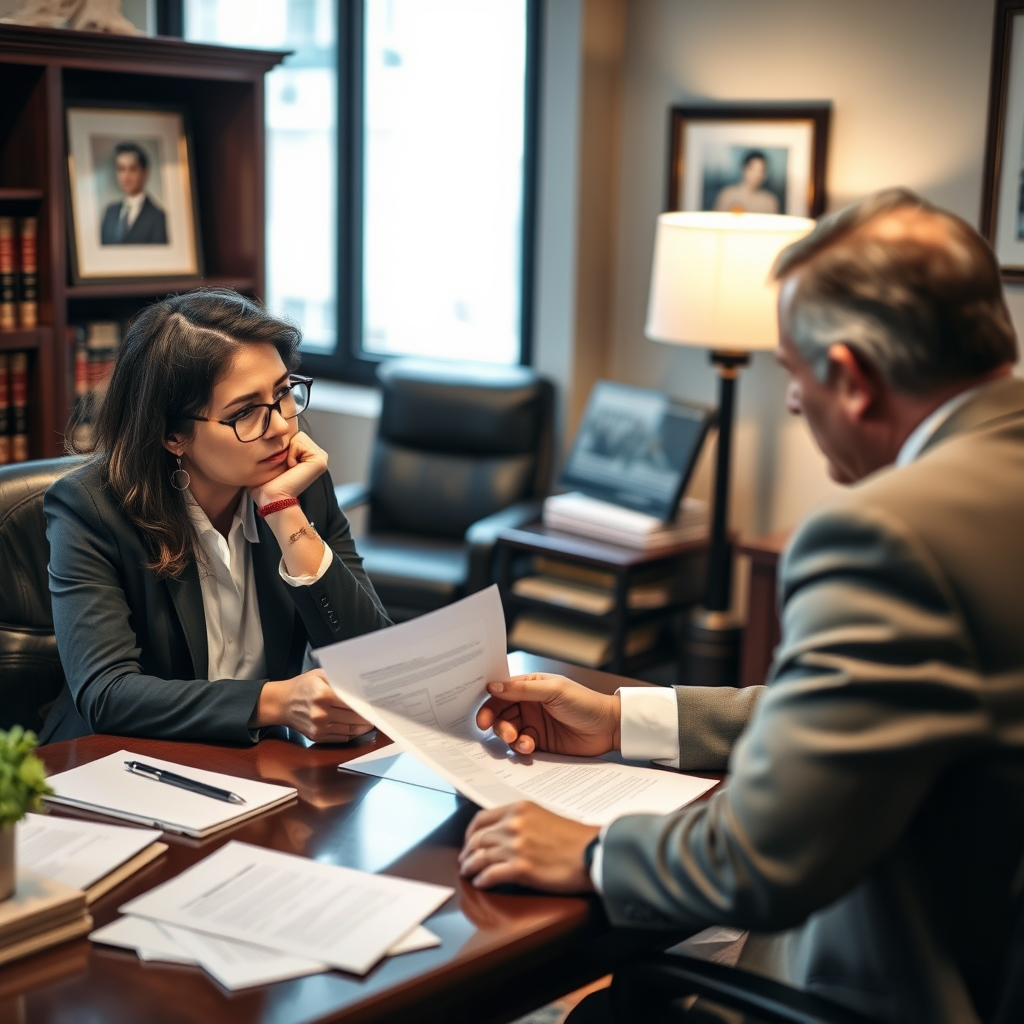
Divorce Lawyer New Rochelle — How Can You Protect Your Rights?
A divorce in New Rochelle is a legal action to dissolve a marriage, governed by New York Domestic Relations Law. The process involves filing a summons and complaint in Westchester County Supreme Court. Law Offices Of SRIS, P.C. provides full representation for divorce cases, addressing asset division, child custody, and support.
What Is a Divorce Under New York Law?
In New York, a divorce is the legal termination of a marriage. The state recognizes both fault-based grounds (like adultery or cruel treatment) and no-fault grounds (the irretrievable breakdown of the relationship for at least six months). The process is initiated in the Supreme Court of the county where either spouse resides. A divorce lawyer New Rochelle can guide you through the required pleadings, financial disclosures, and court appearances to formally end the marriage and resolve related issues.
Last verified: April 2026 | Westchester County Supreme Court | New York State Legislature
Official Legal Resources
For the official statutes, refer to the New York Domestic Relations Law (official New York State Senate). For local court procedures, visit the Westchester County Supreme Court website.
Handling a Divorce Case in Westchester County
The process in Westchester County Supreme Court requires specific steps. You must first establish grounds for divorce and meet residency requirements. Financial disclosure is mandatory, and the court will address equitable distribution of marital property, spousal maintenance, and child-related matters if applicable. A divorce attorney New Rochelle familiar with local judges and procedures can manage these steps effectively.
- Consult with a divorce lawyer to review your situation and options.
- File a Summons with Notice or Summons and Complaint in Westchester County Supreme Court.
- Exchange mandatory financial disclosures and discovery with the other party.
- Participate in court-ordered conferences to attempt settlement on custody, support, and property.
- Proceed to a hearing or trial if agreements cannot be reached.
- Obtain the judge’s signed Judgment of Divorce to finalize the process.
Potential Outcomes in a Divorce
In New Rochelle, a divorce results in the legal end of a marriage and court orders on property, debt, support, and parental responsibilities.
| Issue | Legal Standard | Potential Outcome |
|---|---|---|
| Property Division | Equitable Distribution | Fair, but not necessarily equal, division of marital assets and debts. |
| Spousal Maintenance | Statutory Guidelines & Factors | Temporary or long-term support based on need and ability to pay. |
| Child Custody | Best Interests of the Child | Legal and physical custody arrangements determining decision-making and living schedule. |
| Child Support | New York Child Support Standards Act | Ongoing financial support based on parental income and number of children. |
Results may vary. Prior results do not aim for a similar outcome.
Our Experience in Family Law Matters
Law Offices Of SRIS, P.C. was founded in 1997. Our firm brings a combined 120+ years of legal experience to family law cases. We focus on providing clear guidance through difficult family transitions. Our approach is case-specific, built on a deep understanding of New York matrimonial law and the procedures of local courts.
Case Results and Client Focus
Our firm-wide record includes over 4,739 case results with a favorable outcome rate exceeding 93%. While results depend on specific facts, our team works to seek resolutions that protect our clients’ rights and future stability. We handle each case with attention to the personal and financial stakes involved.
Results may vary. Prior results do not aim for a similar outcome.
Local Divorce Law Firm New Rochelle
Law Offices Of SRIS, P.C.
50 Fountain Plaza, Suite 1400, Office No. 142
Buffalo, NY 14202
Toll-Free: (888) 437-7747 | Local: (838)-292-0003 | Local: (716) 250-9835
By appointment only.
Our New York location serves clients in Westchester County. We are accessible for residents of New Rochelle, Larchmont, Mamaroneck, and surrounding communities. As a dedicated divorce law firm New Rochelle clients can consult, we offer 24/7 phone consultations at (888) 437-7747. Meetings are held by appointment only.
Frequently Asked Questions
How long does a divorce take in New York?
It depends. An uncontested divorce with full agreement can finalize in a few months. A contested divorce involving disputes over assets or children can take a year or more, depending on court schedules and case complexity.
What is equitable distribution in a New York divorce?
Equitable distribution is the legal principle that marital property (assets and debts acquired during the marriage) should be divided fairly, but not necessarily equally. The court considers factors like each spouse’s income, contributions to the marriage, and future needs to determine a fair split.
Can I get alimony (spousal maintenance)?
It depends. New York law provides guidelines for calculating temporary and post-divorce maintenance based on income, the length of the marriage, and each party’s needs. A judge has discretion to award maintenance after considering all relevant statutory factors.
How is child custody determined?
Custody is determined based on the best interests of the child. Courts consider factors like each parent’s ability to provide for the child’s needs, the child’s relationship with each parent, stability of the home environment, and, for older children, their reasonable preferences.
What is the difference between legal and physical custody?
Legal custody involves the right to make major decisions about a child’s upbringing (education, healthcare, religion). Physical custody refers to where the child lives. Parents may share joint legal custody even if one has primary physical custody.
Under N.Y. Bus. Corp. Law § 101, state law governs this practice area.