

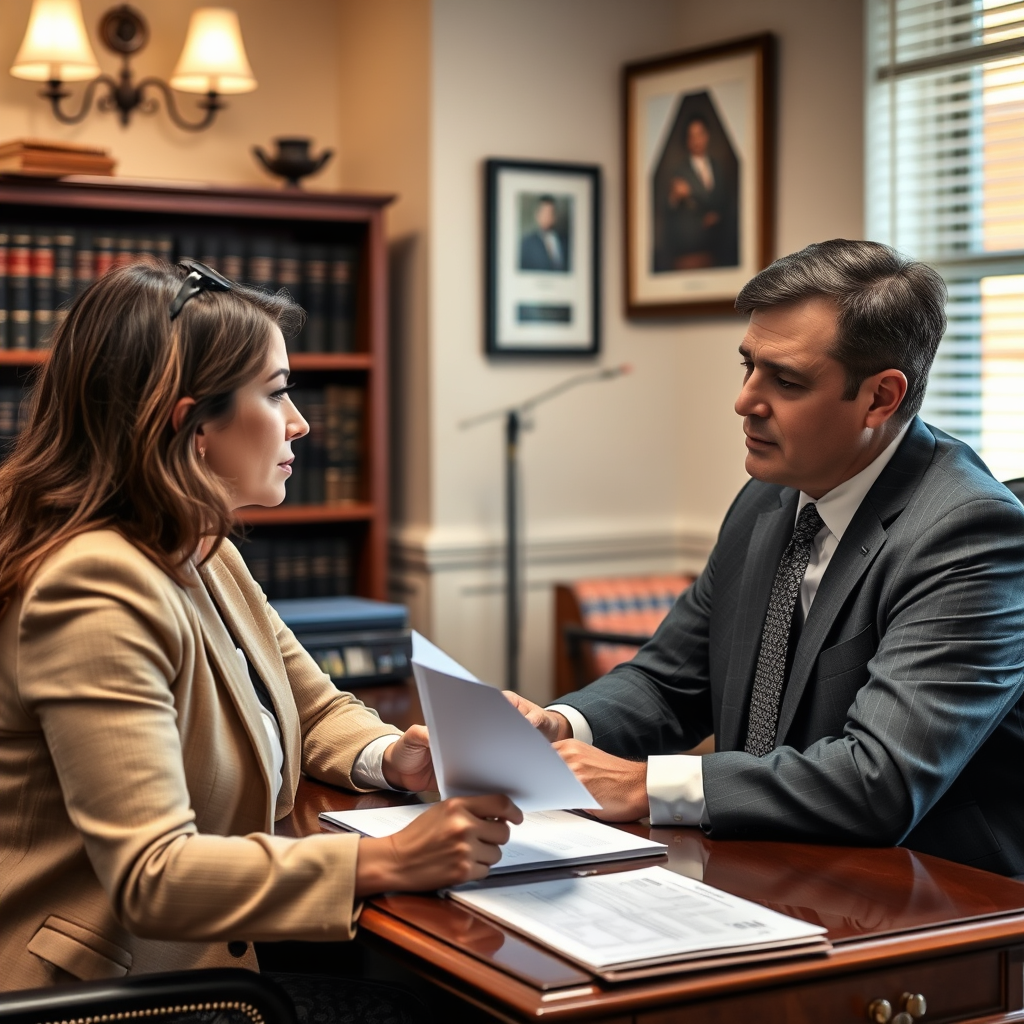
Facing Estate Litigation in Rockland County, NY? Get Knowledgeable Legal Support
As of January 2026, the following information applies. In Rockland County, NY, estate litigation involves legal disputes over wills, trusts, and estate administration. This can include challenging a will’s validity or addressing fiduciary misconduct. The Law Offices Of SRIS, P.C. provides dedicated legal defense for these matters, helping families through emotionally charged situations with seasoned advice.
Confirmed by Law Offices Of SRIS, P.C.
What is Estate Litigation in Rockland County, NY?
Estate litigation in Rockland County, NY, refers to any legal challenge or dispute that arises during the administration of a person’s estate after they’ve passed away. Think of it like this: when someone dies, their belongings, property, and money—their “estate”—need to be managed and distributed according to their wishes, usually outlined in a will or trust. But sometimes, family members, beneficiaries, or other interested parties don’t agree on how things should go. Maybe there are questions about whether the will is valid, concerns about how the executor is managing assets, or disagreements over who should inherit what. These disagreements can quickly turn into lawsuits, requiring court intervention to sort out. It’s more than just a family squabble; it’s a formal legal process to resolve serious issues impacting inheritances and legacies.
These cases can cover a wide range of issues, such as contests over the validity of a will, disputes about the interpretation of trust documents, claims of financial mismanagement by an executor or trustee, and even questions about who has the legal right to administer an estate. In Rockland County, just like anywhere else, these disputes often come with deep emotional attachments and significant financial implications. That’s why having a clear understanding of the legal avenues available is so important when you find yourself in such a situation. It’s about ensuring that the deceased’s true intentions are honored and that all parties are treated fairly under New York estate law. Without proper legal representation, these issues can drag on, causing further distress and depleting estate assets unnecessarily. It’s not just about winning; it’s about finding resolution and peace of mind.
**Takeaway Summary:** Estate litigation in Rockland County, NY, involves legal disputes over a deceased person’s assets, wills, or trusts, requiring court resolution to ensure fair distribution and honor intentions. (Confirmed by Law Offices Of SRIS, P.C.)
How to Approach Estate Litigation in Rockland County, NY?
Getting involved in estate litigation can feel overwhelming, but taking a structured approach can make a difference. Here’s a look at the typical steps and considerations if you’re facing or contemplating an estate dispute in Rockland County:
- Understand the Basis of Your Claim: Before taking any action, figure out exactly why you believe there’s an issue. Is it a belief that the will was improperly executed, a concern about undue influence, or a claim of fraud? Maybe the executor isn’t acting responsibly. Pinpointing the specific problem is the first move.
- Gather All Relevant Documents: Collect everything related to the estate: the will, trust documents, bank statements, property deeds, communications, and any other financial records. The more documentation you have, the stronger your position will be in asserting your rights.
- Seek Knowledgeable Legal Counsel Promptly: Estate disputes often have strict deadlines, known as statutes of limitations. Don’t delay. An experienced estate litigation attorney in Rockland County, NY, can help you understand these deadlines, evaluate your situation, and advise on the best course of action. They can assess the strength of your case and outline the legal strategies available.
- Attempt Resolution (If Appropriate): Sometimes, disputes can be resolved outside of court through negotiation or mediation. This can save time, money, and emotional strain. Your attorney can represent your interests in these discussions, aiming for a fair settlement before formal litigation begins.
- Initiate Formal Legal Proceedings: If out-of-court resolution isn’t possible, your attorney will help you file the necessary petitions or complaints with the Surrogate’s Court in Rockland County. This is where the formal litigation process starts, and you’ll present your case with evidence and legal arguments.
- Engage in Discovery: This phase involves exchanging information with the other parties. You might request documents, depose witnesses (ask them questions under oath), and gather more evidence to support your claims. It’s all about uncovering the facts.
- Prepare for Trial (If Necessary): Not all cases go to trial, but if yours does, you and your legal team will prepare rigorously. This includes organizing evidence, lining up witnesses, and crafting compelling arguments to present to the court.
- Navigate Settlement or Judgment: Throughout the process, opportunities for settlement may arise. If a settlement is reached, the terms will be formalized. If the case goes to trial, the court will issue a judgment, which will legally resolve the dispute.
Each step requires careful consideration and a clear understanding of New York estate law. Having a seasoned attorney by your side can help you defend your rights, ensuring your voice is heard throughout the process. Don’t go it alone when your inheritance, or someone else’s legacy, is on the line.
Can I Challenge a Will in Rockland County, NY?
Yes, you absolutely can challenge a will in Rockland County, NY, but there are specific legal grounds you must meet. It’s not just about disagreeing with the contents; you need a valid reason under New York law. People often worry if they have a real shot at success, especially when emotions are running high. The key is typically demonstrating that the will doesn’t truly reflect the deceased’s wishes or that proper legal procedures weren’t followed when it was created. This isn’t a simple process, and the court demands solid proof.
Common reasons to challenge a will include claims of lack of testamentary capacity, which means the person who made the will wasn’t of sound mind when they signed it. Perhaps they were suffering from a severe illness, dementia, or under the influence of medications that affected their judgment. Another frequent ground is undue influence, where someone improperly pressured or manipulated the deceased into creating or changing their will in a way they wouldn’t have otherwise. Imagine a vulnerable elder being coerced by a caretaker or a manipulative family member; this is the kind of situation that raises red flags.
Fraud or forgery are also serious grounds for a will contest. If the will was faked, or if the deceased was tricked into signing a document they didn’t understand, the court will take it very seriously. Furthermore, issues with the proper execution of the will, such as not having enough witnesses or witnesses not signing in the presence of the testator, can invalidate the document. These are technicalities, but they are vital to the will’s legal standing.
While the Law Offices Of SRIS, P.C. does not disclose specific client outcomes, we can tell you that our approach in such cases always involves a thorough investigation into the circumstances surrounding the will’s creation. We look at medical records, interview witnesses, and examine all available evidence to build the strongest possible case for our clients. Every situation is unique, and what might be a strong argument in one case might not apply to another. It’s important to remember that pursuing a will contest requires patience and a commitment to seeing the legal process through, as it can be lengthy. However, for those who believe a grave injustice has occurred, challenging a will can be the only path to achieving fairness and honoring the true intentions of their loved one.
Why Hire Law Offices Of SRIS, P.C. for Your Estate Litigation Needs?
When you’re dealing with the emotional and financial strain of estate litigation in Rockland County, you need a legal team that understands the stakes and provides direct, reassuring support. That’s exactly what you’ll find at the Law Offices Of SRIS, P.C.
Mr. Sris, our founder, has always emphasized a client-focused approach. As he puts it: “My focus since founding the firm in 1997 has always been directed towards personally taking on the most challenging criminal and family law matters our clients face. This dedication to difficult cases extends to all areas of our practice, including estate litigation, where every detail can make a real difference.” This philosophy means we don’t shy away from difficult situations and are prepared to meticulously examine every aspect of your case to protect your interests.
We know that estate disputes aren’t just about legal documents; they’re about family legacies, personal relationships, and often, significant financial implications. Our goal is to provide clarity during what can feel like an incredibly confusing time. We aim to simplify the legal process for you, explaining your options in plain language so you can make informed decisions. We’re here to be your advocate, fighting for your rights in the Surrogate’s Court and working towards a fair resolution.
Choosing the right attorney is about more than just legal knowledge; it’s about finding someone who will listen, understand your unique situation, and develop a tailored strategy. We offer a confidential case review to discuss your specific concerns without judgment. Whether you’re challenging a will, defending against a claim, or dealing with issues of estate administration, our team is prepared to represent your interests with diligence and empathy.
Our New York location is ready to serve clients in Rockland County. You can reach us at:
Law Offices Of SRIS, P.C.
50 Fountain Plaza, Suite 1400, Office No. 142
Buffalo, NY, 14202, US
Phone: +1-838-292-0003
Call now to schedule your confidential case review and take the first step toward resolving your estate dispute.
Frequently Asked Questions About Estate Litigation in Rockland County, NY
- What is probate in New York?
- Probate is the legal process in New York where a will is proven valid, and the deceased person’s assets are distributed according to its terms. It also involves settling any debts and taxes, overseen by the Surrogate’s Court, ensuring a lawful and orderly transfer of property to beneficiaries.
- How long does estate litigation typically take?
- The duration of estate litigation varies greatly, depending on the complexity of the issues, the court’s schedule, and the willingness of parties to settle. Simple cases might resolve in months, while complex disputes can extend for several years, making patience essential.
- What is the role of an executor in an estate?
- An executor is responsible for managing the deceased’s estate, paying debts, and distributing assets as directed by the will. They must act in the best interest of the estate and beneficiaries, accurately accounting for all financial transactions and adhering to legal requirements throughout the process.
- Can I represent myself in estate litigation?
- While legally possible to represent yourself, estate litigation is intricate and governed by specific rules. Without legal training, you risk overlooking crucial details or procedural requirements, potentially jeopardizing your case. Knowledgeable legal counsel significantly increases your chances for a favorable outcome.
- What is a “no-contest” clause in a will?
- A “no-contest” clause, or in terrorem clause, attempts to disinherit a beneficiary who challenges the will. In New York, these clauses are generally enforceable, but there are exceptions, such as challenging based on forgery or undue influence, allowing some challenges without penalty.
- What happens if someone dies without a will in New York?
- If someone dies without a will (intestate) in New York, their assets are distributed according to state intestacy laws. Typically, assets go to surviving spouses, children, or other close relatives in a specific order, as determined by the Surrogate’s Court, not individual preference.
- What are grounds for contesting a will?
- Grounds for contesting a will in New York include lack of testamentary capacity (unsound mind), undue influence (coercion), fraud, forgery, or improper execution (not following legal requirements for signing/witnessing). Each ground requires substantial evidence for a successful challenge.
- What is a fiduciary duty in estate administration?
- A fiduciary duty obligates an executor or trustee to act solely in the best interests of the beneficiaries and the estate. This involves honesty, loyalty, prudence, and transparency in managing assets, avoiding conflicts of interest, and making sound financial decisions for the estate.
The Law Offices Of SRIS, P.C. has locations in Virginia in Fairfax, Loudoun, Arlington, Shenandoah and Richmond. In Maryland, our location is in Rockville. In New York, we have a location in Buffalo. In New Jersey, we have a location in Tinton Falls.
Past results do not predict future outcomes.