

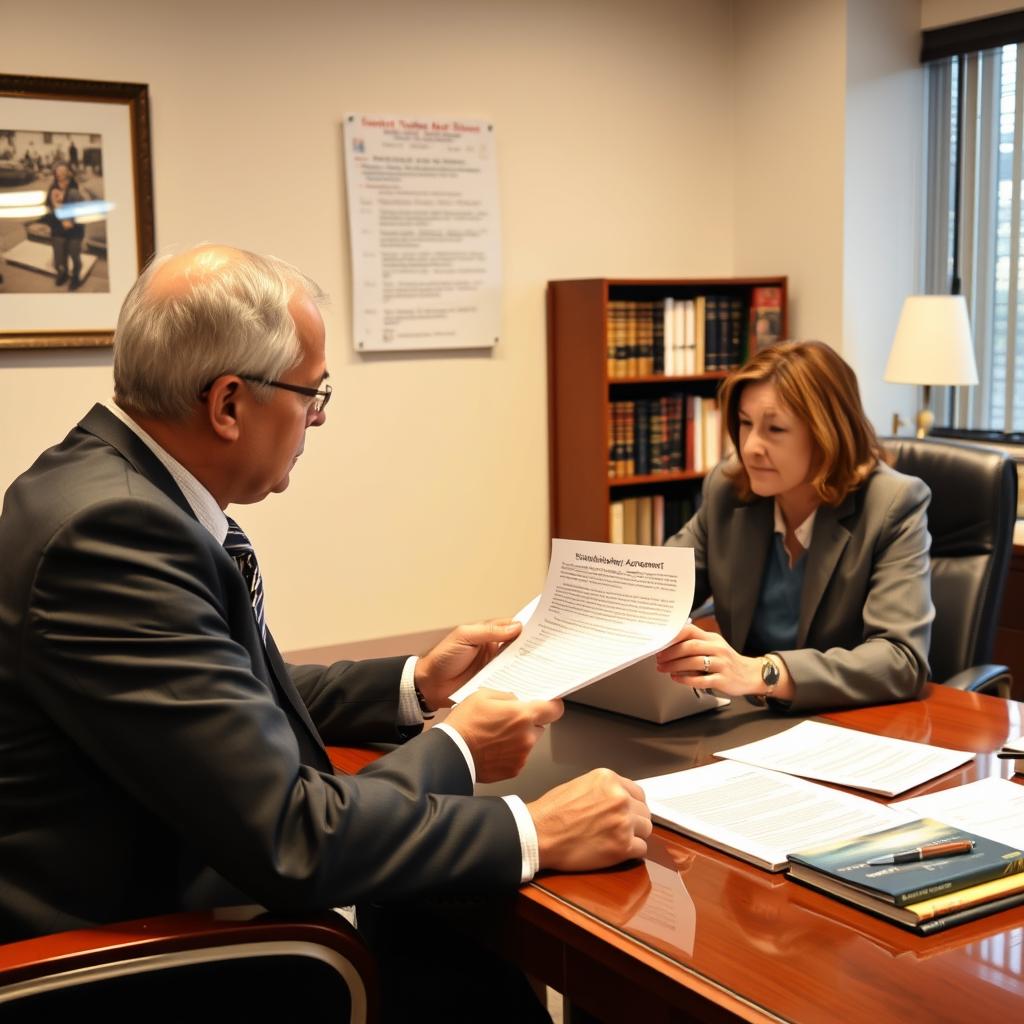
Shareholder Agreement Lawyer New York County
You need a Shareholder Agreement Lawyer New York County to enforce your rights and protect your investment. Law Offices Of SRIS, P.C. —Advocacy Without Borders. These contracts govern ownership, profit distribution, and corporate control. Disputes often involve breach of fiduciary duty or deadlock. SRIS, P.C. litigates these matters in New York County courts. (Confirmed by SRIS, P.C.)
Statutory Definition of Shareholder Rights and Agreements
New York Business Corporation Law (BCL) § 620 governs shareholder agreements and their enforcement. This statute provides the legal framework for contracts between shareholders concerning corporate governance. A Shareholder Agreement Lawyer New York County uses this law to interpret and enforce your contract. The BCL allows shareholders to tailor agreements on voting, transfer restrictions, and management. These agreements are binding on the corporation and all parties. Violations can lead to lawsuits for specific performance or damages. Understanding the exact code sections is critical for any corporate dispute.
New York BCL § 620 — Shareholder Agreements — Enforceable by Injunction or Damages. This statute authorizes written agreements among shareholders. It covers voting power, dividend preferences, and director appointment. Agreements can restrict the transfer of shares to maintain control. They can also outline procedures for resolving deadlocks. The law permits agreements that deviate from standard corporate bylaws. Enforcement is through the New York State court system. A breach can trigger litigation for monetary relief or equitable remedies.
Shareholder agreements are private contracts under New York law. They operate alongside the corporation’s certificate of incorporation and bylaws. The BCL gives these agreements significant legal weight. Courts in New York County will enforce properly drafted terms. Common issues include ambiguous language about buy-sell provisions. Disputes also arise over valuation methods for shares. A shareholder rights lawyer New York County must handle these statutory nuances. The goal is to protect your financial stake and voting influence.
What constitutes a breach of a shareholder agreement?
A breach occurs when a party violates a material term of the contract. This includes refusing to vote as agreed or attempting an unauthorized share transfer. Failing to provide required financial information is also a breach. A corporate governance dispute lawyer New York County files suit for these violations. The remedy sought depends on the agreement’s terms and the harm caused.
How does New York law treat deadlock provisions?
New York BCL § 1104-a provides a statutory remedy for deadlock. Shareholder agreements often include specific deadlock-breaking mechanisms. These can involve mandatory buyout procedures or third-party mediation. If the agreement’s mechanism fails, a shareholder can petition for judicial dissolution. A lawyer must assess whether statutory or contractual remedies apply first.
Are oral shareholder agreements enforceable in New York?
No, New York law generally requires shareholder agreements to be in writing. BCL § 620 explicitly contemplates written agreements. Oral promises related to share ownership or corporate control are rarely enforceable. This highlights the necessity of a carefully drafted document. A Shareholder Agreement Lawyer New York County ensures all terms are clearly documented.
The Insider Procedural Edge in New York County
Shareholder disputes are litigated in the New York County Supreme Court, Commercial Division. This court is located at 60 Centre Street, New York, NY 10007. The Commercial Division handles complex business litigation, including shareholder oppression cases. Filing a lawsuit here requires adherence to strict procedural rules. A corporate governance dispute lawyer New York County knows these local rules intimately. The timeline from filing to trial can exceed two years given the court’s docket. Motions for preliminary injunctions are common to prevent irreparable harm early.
Procedural specifics for New York County are reviewed during a Consultation by appointment at our New York County Location. The filing fee for a commercial lawsuit in New York Supreme Court is currently $210. Additional fees apply for filing a note of issue or motions. The court mandates early mediation for many commercial cases. This can be a critical phase for settlement negotiations. Understanding the judge’s tendencies in the Commercial Division is a tactical advantage. Some judges push hard for early settlement, while others are more disposed to motion practice.
The New York County court system moves deliberately on complex corporate matters. Discovery involves extensive document production and depositions. Electronic discovery protocols are strictly enforced. Failure to comply with discovery orders can result in sanctions. A shareholder rights lawyer New York County must manage this process aggressively. The goal is to build use for a favorable settlement or trial verdict. Learn more about Virginia legal services.
What is the typical timeline for a shareholder lawsuit?
A shareholder lawsuit in New York County can take 24 to 36 months to reach trial. The discovery phase alone often consumes 12 to 18 months. Motions to dismiss or for summary judgment can add significant time. Expedited proceedings are possible for injunction requests. A lawyer must set realistic expectations about the litigation calendar.
What are the key local court rules to know?
The Commercial Division Rules require a pre-filing conference for certain cases. Rule 11 mandates a statement of material facts with motion papers. Rule 8 requires a compliance conference order within 45 days of filing. Familiarity with these rules prevents procedural missteps that can damage a case.
Penalties, Remedies, and Defense Strategies
The most common remedy in a shareholder dispute is a court order for specific performance or monetary damages. Courts can also order the dissolution of the corporation or a forced buyout of shares. The financial stakes are directly tied to the company’s valuation. A corporate governance dispute lawyer New York County fights to maximize your recovery or minimize your liability.
| Offense / Breach | Potential Remedy / Penalty | Notes |
|---|---|---|
| Breach of Fiduciary Duty | Monetary Damages, Disgorgement of Profits | Directors and majority shareholders owe duties of care and loyalty. |
| Violation of Buy-Sell Provision | Specific Performance, Forced Sale at Agreement Price | Courts will enforce agreed-upon valuation formulas. |
| Shareholder Oppression (Minority) | Judicial Dissolution, Forced Buyout at Fair Value | Under BCL § 1104-a, for illegal, fraudulent, or oppressive conduct. |
| Deadlock with No Agreement | Judicial Dissolution per BCL § 1104 | Requires proof that deadlock is harming the corporation. |
| Failure to Provide Financial Records | Court Order for Inspection, Possible Sanctions | Shareholders have a statutory right to inspect books under BCL § 624. |
[Insider Insight] New York County prosecutors do not handle private shareholder disputes. However, the New York Attorney General’s Location can investigate for fraud or criminal misconduct. In civil court, judges in the Commercial Division are experienced with valuation battles. They often appoint neutral business appraisers to determine fair value. The trend is to avoid dissolution if a buyout can resolve the dispute. A strong litigation position forces the other side to negotiate a buyout on better terms.
Defense strategies hinge on the agreement’s language and the facts. A common defense is that the plaintiff shareholder breached the agreement first. Another is that the challenged action was within the business judgment of the directors. Waiver or estoppel arguments can also apply if a party acquiesced to a practice. A shareholder rights lawyer New York County dissects the agreement and conduct to build these defenses.
What are the cost consequences of losing a shareholder lawsuit?
The losing party may be ordered to pay the winner’s legal costs in some cases. New York courts can award costs if a claim is found frivolous. More commonly, each side bears its own substantial attorney fees. Fee provisions within the shareholder agreement itself will control. Litigation costs alone can reach hundreds of thousands of dollars.
Can a shareholder be personally liable in these disputes?
Yes, if a shareholder commits fraud, theft, or a clear breach of fiduciary duty. Piercing the corporate veil is rare but possible with commingling of funds. Most liability is confined to the value of the shares owned. A lawyer’s job is to contain liability to the corporate entity where possible.
Why Hire SRIS, P.C. for Your New York County Shareholder Dispute
Our lead attorney for corporate disputes has over 15 years of litigation experience in New York courts. This includes successful bench and jury trials on contract and fiduciary duty claims. We understand how to present complex financial disputes to judges. SRIS, P.C. has secured favorable settlements and verdicts for business clients. Our approach is direct and strategic, focused on your business objectives. Learn more about criminal defense representation.
Attorney Profile: Our senior litigation counsel has handled numerous shareholder derivative actions. This attorney has argued before the New York Appellate Division, First Department. Experience includes negotiating buyouts and drafting shareholder agreements for closely-held corporations. This background provides a dual advantage in both litigation and preventive drafting.
SRIS, P.C. provides our experienced legal team for your New York County matter. We assign a dedicated attorney and paralegal to each case. We explain the legal process in clear terms without jargon. Our firm differentiator is direct access to your attorney. You will not be handed off to a junior associate for major decisions. We prepare every case as if it is going to trial. This preparation creates use for settlement discussions. Our goal is to protect your investment and your role in the company.
Localized FAQs for Shareholder Agreements in New York County
What is the difference between a shareholder agreement and corporate bylaws?
Bylaws govern the corporation’s internal management for all shareholders. A shareholder agreement is a private contract between specific shareholders. The agreement can override bylaws on matters like voting or share transfer. Both documents are critical for corporate control.
Can a majority shareholder force out a minority shareholder in New York?
Not without a legal basis. Oppressive conduct can lead to a court-ordered buyout or dissolution. Majority shareholders owe fiduciary duties to minority holders. Forcing a sale requires following a valid buy-sell clause in an agreement.
How is “fair value” determined for a share buyout in New York?
Courts consider asset value, earnings, market approach, and dividend-paying capacity. Shareholder agreements often specify a valuation formula or appraiser. Without an agreement, the court may appoint its own neutral business valuation experienced.
What is a shareholder derivative lawsuit?
A lawsuit filed by a shareholder on behalf of the corporation against its directors or officers. It alleges harm to the corporation, not directly to the shareholder. Recovery goes to the corporate treasury, not the suing shareholder individually.
Are shareholder agreements required to be filed with the state in New York?
No, shareholder agreements are private contracts not filed with the New York Department of State. They must be provided to the corporation and are binding on all parties who sign them. Proper drafting ensures enforceability.
Proximity, Contact, and Critical Disclaimer
Our New York County Location is strategically positioned to serve clients in Manhattan. We are accessible from all boroughs and the surrounding tri-state area. For a Consultation by appointment to discuss your shareholder agreement or dispute, call our team 24/7. We provide corporate legal representation in New York focused on your objectives. Contact SRIS, P.C. for direct legal advocacy.
Law Offices Of SRIS, P.C.—Advocacy Without Borders.
Consultation by appointment. Call 24/7.
Phone: [PHONE NUMBER FROM GMB]
Address: [NEW YORK COUNTY GMB ADDRESS]
Past results do not predict future outcomes.