

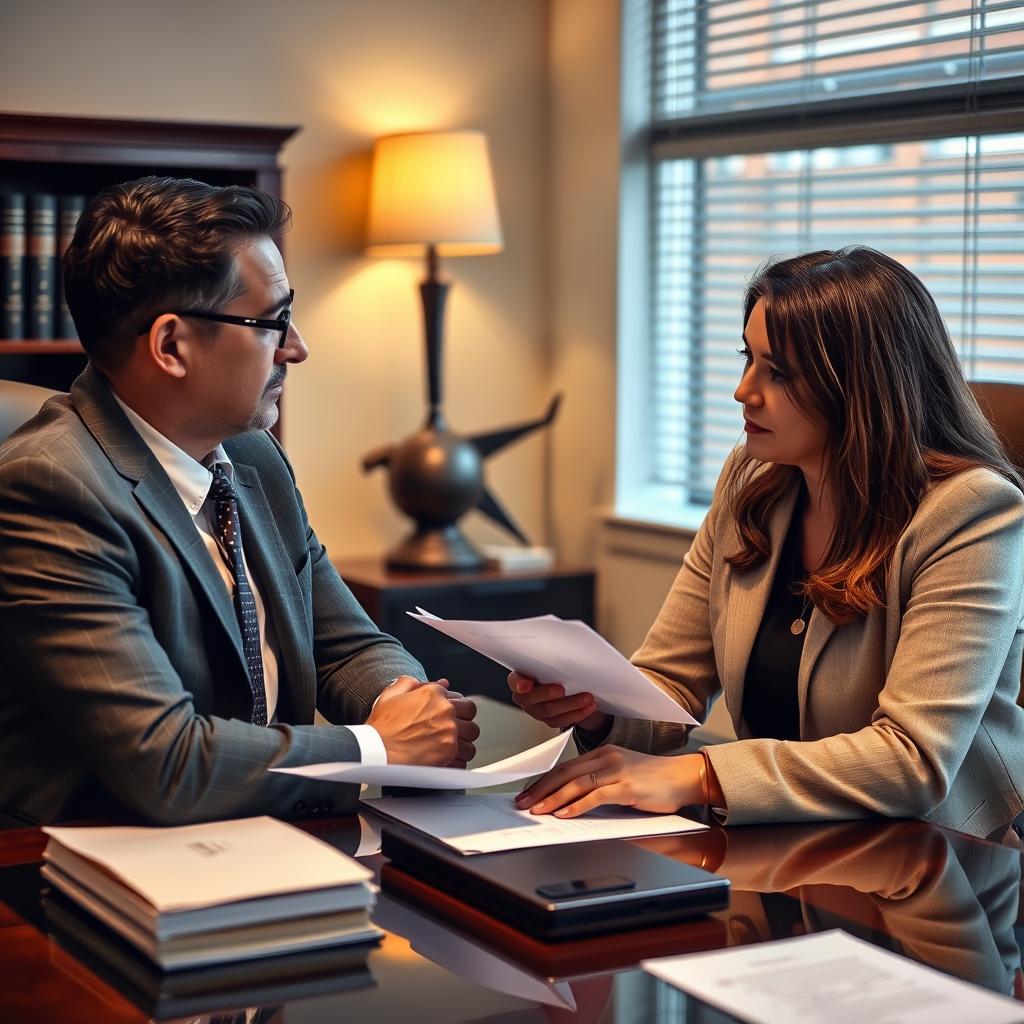
Franchise Dispute Lawyer Brooklyn
You need a Franchise Dispute Lawyer Brooklyn when a franchisor or franchisee violates the agreement. Law Offices Of SRIS, P.C. —Advocacy Without Borders. handles these contract conflicts in Brooklyn courts. We enforce your rights under New York law and the Federal Trade Commission Franchise Rule. Our Brooklyn Location provides direct counsel on breach, termination, and financial damages. (Confirmed by SRIS, P.C.)
Statutory Definition of Franchise Disputes in New York
New York Franchise Act § 681 et seq. governs franchise relationships, requiring good faith and fair dealing, with violations leading to injunctions, damages, and attorney’s fees. The core legal framework for a Franchise Dispute Lawyer Brooklyn involves state statutes and federal regulations. The Federal Trade Commission’s Franchise Rule (16 C.F.R. Part 436) mandates specific pre-sale disclosures. New York’s common law of contracts also applies to franchise agreement interpretation. These laws create duties for both franchisors and franchisees. Breaches can trigger lawsuits for monetary losses and equitable relief.
Franchise disputes often center on the implied covenant of good faith. This legal principle is embedded in every New York contract. It prohibits arbitrary or bad faith conduct that destroys the agreement’s value. A franchisor cannot act solely for its own advantage. A franchisee must also operate the business with reasonable diligence. Violations give rise to claims for breach of contract. Statutory claims under Article 33 of the New York General Business Law may also apply. This article regulates franchise sales and relationships within the state.
Specific provisions address franchise termination and non-renewal. The law restricts a franchisor’s ability to end a relationship without cause. Notice requirements and cure periods are often mandated. Failure to comply can result in liability for the franchisor. A franchisee may have claims for wrongful termination. Damages can include lost future profits and the loss of the business’s value. Understanding these statutes is critical for any Franchise Dispute Lawyer Brooklyn.
What constitutes a franchise agreement violation in Brooklyn?
A violation occurs when a party fails to perform a material term of the contract. Common franchisor violations include failing to provide promised support or marketing. Encroachment by placing new units too close is another frequent issue. Unilateral changes to operating standards or fees can also be a breach. Franchisee violations often involve underreporting sales to avoid royalty payments. Failure to maintain brand standards or operate hours is a material breach. Any action violating the implied covenant of good faith is a violation.
How does New York law differ from other states on franchise disputes?
New York has specific statutory protections under its Franchise Act. The state recognizes strong implied covenants of good faith in performance. New York courts frequently enforce contractual choice-of-law and forum selection clauses. This can keep litigation within New York even for out-of-state franchises. The state’s common law on contracts is well-developed and precedent-based. Unlike some states, New York does not have a franchise relationship law with a private right of action for certain terminations. This makes precise contract drafting and litigation strategy paramount.
What is the Federal Trade Commission Franchise Rule?
The FTC Franchise Rule is a federal disclosure regulation. It requires franchisors to provide a Franchise Disclosure Document (FDD) to prospective buyers. The FDD must contain 23 specific items of information. This includes the franchisor’s history, litigation, fees, and financial performance representations. Failure to provide the FDD or providing a misleading one is a violation. This can give a franchisee the right to rescind the agreement. A Franchise Dispute Lawyer Brooklyn uses this rule to challenge fraudulent inducement claims.
The Insider Procedural Edge in Brooklyn Courts
Franchise dispute cases in Brooklyn are heard in the New York Supreme Court, Kings County, located at 360 Adams Street, Brooklyn, NY 11201. This is the trial-level court of general jurisdiction for major commercial disputes. The Commercial Division handles complex business litigation, including franchise conflicts. Filing a lawsuit requires precise adherence to New York Civil Practice Law and Rules. The initial filing fee for a Supreme Court action is approximately $210. Index numbers must be purchased to commence the action.
Procedural specifics for Brooklyn are reviewed during a Consultation by appointment at our Brooklyn Location. The court’s procedural calendar is demanding. Pre-trial conferences are scheduled early to manage discovery disputes. Judges in the Commercial Division expect attorneys to be thoroughly prepared. They have little patience for procedural delays or unfounded motions. Electronic filing through the New York State Courts Electronic Filing system is mandatory. All documents must be submitted in the proper digital format.
Discovery in franchise cases is often extensive and contentious. It involves financial records, operational manuals, and internal communications. Depositions of corporate representatives and experienced attorneys are standard. The timeline from filing to trial can span two to three years. Motions for summary judgment are common as parties seek to narrow issues. Understanding the local judges’ preferences on motion practice is a key advantage. A Franchise Dispute Lawyer Brooklyn must handle these procedures efficiently.
What is the typical timeline for a franchise lawsuit in Brooklyn?
A franchise lawsuit can take over two years from filing to a verdict. The summons and complaint must be filed and served on the defendant. The defendant has 20-30 days to appear and answer. Discovery then proceeds for 12-18 months, involving document exchanges and depositions. Note of Issue is filed to place the case on the trial calendar. Trial dates are set by the court’s availability, often months later. Settlement discussions or mediation can occur at any point. Learn more about Virginia legal services.
What are the key filing requirements in Kings County Supreme Court?
You must purchase an index number to commence the action. A Request for Judicial Intervention (RJI) is filed to assign a judge. A preliminary conference must be scheduled within 45 days of the RJI. A compliance conference follows to track discovery progress. All motions must include an affirmation of good faith regarding resolution attempts. All filings must comply with the court’s part rules and individual judge’s rules. Failure to follow these requirements can lead to dismissal or sanctions.
Penalties & Defense Strategies in Franchise Litigation
The most common penalty in a franchise dispute is an award of monetary damages to the injured party. Damages aim to put the non-breaching party in the position they would have been in had the contract been performed. Courts may also grant injunctive relief, such as stopping a termination or preventing trademark infringement. Attorney’s fees may be awarded if provided for in the franchise agreement or by statute. The table below outlines potential outcomes.
| Offense / Claim | Potential Penalty / Remedy | Notes |
|---|---|---|
| Breach of Franchise Agreement | Compensatory Damages (Lost Profits, Cost Cover) | Calculated based on financial records and experienced testimony. |
| Violation of FTC Franchise Rule | Rescission, Restitution of Franchise Fee | Franchisee may get money back and exit the agreement. |
| Wrongful Termination | Damages for Lost Future Earnings, Injunction Against Termination | Court may order the franchise relationship reinstated. |
| Trademark Infringement | Injunction, Profits Disgorgement, Statutory Damages | Continuing to use marks after termination is a severe violation. |
| Breach of Covenant of Good Faith | Compensatory and Possibly Punitive Damages | Punitive damages are rare and require egregious conduct. |
[Insider Insight] Brooklyn judges and commercial division prosecutors focus heavily on the contract’s plain language. They scrutinize the franchise disclosure document for omissions. Local courts are skeptical of claims based solely on oral promises not in writing. They expect detailed financial proof to substantiate damage claims. Early mediation is often encouraged by the court’s case management orders.
Defense strategies depend on whether you are the franchisor or franchisee. For franchisors, demonstrating the franchisee’s material breach is key. This includes showing failures in royalty reporting or quality standards. For franchisees, proving the franchisor acted in bad faith is central. This involves showing a lack of support or predatory encroachment. Documenting all communications and maintaining impeccable records is non-negotiable. A strong defense often involves counterclaims for the other party’s breaches.
Can a franchisor terminate a franchisee without cause in New York?
Termination without cause is generally prohibited if the franchise agreement is silent. New York law implies a requirement of good cause for termination. Good cause typically requires a material breach by the franchisee that remains uncured. Even with a contractual clause allowing termination without cause, courts may scrutinize it for unconscionability. The franchisor must strictly follow any notice and cure procedures in the agreement. Wrongful termination can lead to significant damage awards against the franchisor.
What financial damages can be recovered in a franchise dispute?
Recoverable damages include direct out-of-pocket losses from the breach. Lost profits must be proven with reasonable certainty, not speculation. A franchisee may recover the cost of establishing the business. Damages for loss of business goodwill and reputation are also possible. If the franchise agreement allows it, the prevailing party may recover attorney’s fees and costs. In cases of fraud, punitive damages may be available under limited circumstances.
Why Hire SRIS, P.C. for Your Brooklyn Franchise Dispute
Our lead franchise litigation attorney has over 15 years of experience specifically in New York commercial and franchise law.
Attorney Profile: Our seasoned litigator focuses on franchise and distribution law. This attorney has handled cases involving termination, encroachment, and disclosure violations. They understand the financial and operational pressures of franchise businesses. Their approach is strategic, aiming for resolution that protects the client’s business interests.
SRIS, P.C. has a dedicated commercial litigation team at our Brooklyn Location. We prepare every case as if it is going to trial. This posture strengthens our position in negotiations and settlement discussions.
We provide our experienced legal team for complex commercial disputes. Our firm’s structure allows for collaborative strategy sessions on difficult cases. We analyze the franchise agreement and all related documents carefully. We identify not just the obvious claims, but also potential counterclaims and defenses. Our goal is to achieve the best possible outcome, whether through settlement or litigation. We communicate directly and clearly about risks, costs, and strategy.
Our Brooklyn Location is staffed to handle local court procedures. We are familiar with the judges and court personnel in Kings County Supreme Court. This local presence ensures your case receives immediate attention. We are accessible to our clients throughout the litigation process. We believe in aggressive advocacy tempered by practical business advice. Your franchise is your livelihood, and we fight to protect it. Learn more about criminal defense representation.
Localized FAQs for Franchise Disputes in Brooklyn
What should I do first if my franchisor is threatening termination?
Immediately review your franchise agreement’s termination and cure provisions. Document all communications from the franchisor. Contact a Franchise Dispute Lawyer Brooklyn to assess your legal position and rights. Do not ignore the threat or miss any contractual deadlines for response.
How long do I have to sue for a franchise violation in New York?
The statute of limitations for breach of a written contract is six years in New York. Fraud claims must be filed within six years of the fraud or two years from its discovery. Claims under the New York Franchise Act have a three-year limitation period. Timely action is critical to preserve your claims.
Can I sue a franchisor for not providing promised support?
Yes, failure to provide contractually mandated support is a material breach of the franchise agreement. You can sue for damages equal to the value of the lost support and any resulting lost profits. Document every instance where support was requested and denied or was inadequate.
What is franchise encroachment and is it illegal?
Encroachment occurs when a franchisor grants a new franchise or operates a company unit too close to yours. It may be illegal if it violates an exclusive territory clause in your agreement. Even without an exclusive territory, it may breach the implied covenant of good faith if it harms your business.
Are verbal promises from a franchisor enforceable?
Verbal promises are difficult to enforce due to the “parol evidence rule” and integration clauses. New York courts typically will not consider prior oral agreements that contradict the written contract. Promises of future conduct may form the basis for a fraud claim if they were knowingly false when made.
Proximity, CTA & Disclaimer
Our Brooklyn Location is strategically positioned to serve clients throughout Kings County. We are accessible for meetings to discuss your franchise conflict. Consultation by appointment. Call 24/7. Our team is ready to provide the direct counsel you need.
SRIS, P.C. – Brooklyn Location
Phone: (718) 550-1800
Address: Procedural specifics for Brooklyn are reviewed during a Consultation by appointment at our Brooklyn Location.
If you are facing a franchisor or franchisee dispute, you need aggressive legal representation focused on your business survival. A franchisor franchisee dispute lawyer Brooklyn from our firm will analyze your contract. We will develop a strategy to enforce your rights or defend against claims. Do not let a contract dispute destroy your investment. Contact us to schedule a case review.
Past results do not predict future outcomes.