

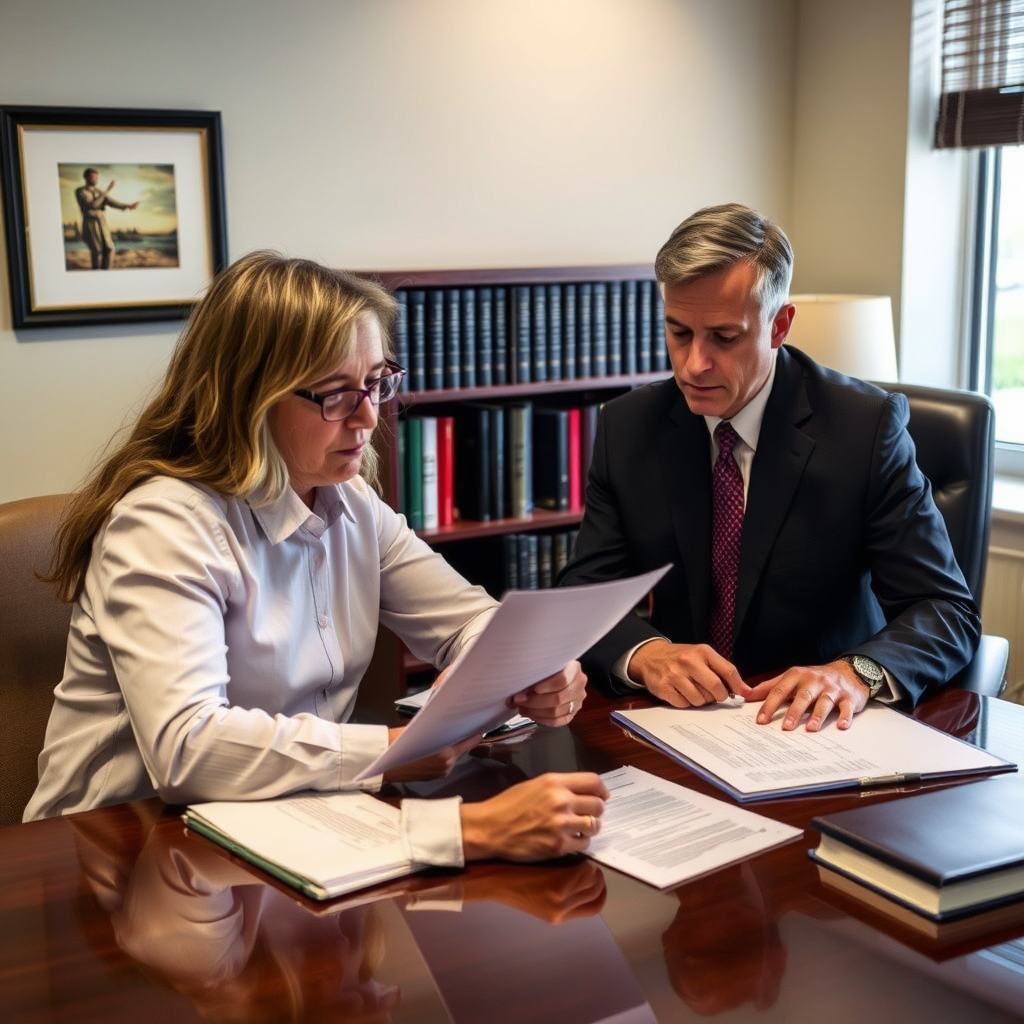
Contested Divorce Attorney Onondaga County, NY: Finding Your Way Forward
As of December 2025, the following information applies. In New York, a contested divorce involves legal disputes over property, child custody, support, or alimony when spouses can’t agree. The Law Offices Of SRIS, P.C. provides dedicated legal defense for these matters, helping clients in Onondaga County navigate the complexities of their separation and work towards a hopeful resolution. Clients seeking guidance in these challenging situations can rely on the expertise of a contested divorce lawyer Onondaga County. With a strong commitment to protecting their rights and interests, the firm advocates for fair settlements and effective communication between parties. Their personalized approach ensures that each client feels supported throughout the process, paving the way for a more amicable resolution. In addition to their dedicated representation, the firm emphasizes the importance of mediation as a viable option for resolving disputes without lengthy litigation. Clients in neighboring regions, such as those seeking a contested divorce attorney Orange County, will also benefit from the firm’s collaborative approach, which focuses on fostering cooperative dialogue. By prioritizing the emotional well-being of their clients, the Law Offices Of SRIS, P.C. aim to achieve outcomes that minimize conflict and support a smoother transition into the next chapter of their lives.
Confirmed by Law Offices Of SRIS, P.C.
What is a Contested Divorce in New York?
A contested divorce in New York isn’t just a disagreement; it’s when you and your spouse can’t see eye-to-eye on one or more key aspects of ending your marriage. This could be anything from who gets the house, to how much child support will be paid, or even how visitation with the kids will work. Instead of agreeing on everything, the courts step in to help resolve these disputes. It’s a formal legal process where attorneys present arguments and evidence, and ultimately, a judge makes the final decisions if you can’t reach a settlement.
Takeaway Summary: A contested divorce in New York means a judge will decide unresolved issues like assets, debts, and children’s futures. (Confirmed by Law Offices Of SRIS, P.C.)
Going through a divorce, especially a contested one, can feel like you’re walking through a maze blindfolded. The emotional toll alone is immense, let alone the legal intricacies. When you’re dealing with property, children, and your financial future, the stakes are incredibly high. For families in Onondaga County, NY, understanding what lies ahead can make a world of difference. It’s about more than just legal documents; it’s about your peace of mind and the well-being of your family. You’re likely feeling overwhelmed, scared, and maybe even a little angry. That’s completely normal. But here’s the blunt truth: ignoring these feelings or hoping things will magically sort themselves out isn’t a strategy. It’s vital to face these challenges head-on with a clear plan and experienced support.
The system is set up to resolve disputes, but it’s not always straightforward. Every decision, from filing the initial petition to the final decree, can have lasting consequences. That’s why having knowledgeable representation is so important. You need someone who understands New York’s divorce laws inside and out, especially as they apply to contested cases in Onondaga County. It’s not just about winning; it’s about securing a fair and sustainable outcome for your next chapter. Don’t let the legal jargon and the weight of the situation paralyze you. Take that first step towards understanding your options and protecting what matters most.
How to Navigate a Contested Divorce in Onondaga County, NY?
Dealing with a contested divorce means you’re in for a process that typically involves several distinct stages. It’s not a quick sprint; it’s more like a marathon that requires patience, strategy, and consistent legal guidance. Here’s a general overview of how things usually unfold in Onondaga County:
- Initiating the Divorce Action: The process begins when one spouse, known as the ‘plaintiff,’ files a Summons with Notice or a Summons and Verified Complaint with the Supreme Court in Onondaga County. This officially starts the legal proceedings. The other spouse, the ‘defendant,’ must then be formally served with these documents.
- Responding to the Petition: Once served, the defendant has a limited amount of time to respond. This response, often called an ‘Answer,’ outlines their position on the issues raised in the initial filing and may include their own requests or counterclaims regarding property division, child custody, or support.
- Discovery Phase: This is where both parties exchange information relevant to the divorce. This can involve requests for documents (like bank statements, tax returns, and property deeds), written questions (interrogatories), and depositions (out-of-court sworn testimony). The goal is to get a complete picture of all assets, debts, income, and other factors that will influence the judge’s decisions.
- Motions and Temporary Orders: During the discovery phase, or even earlier, it’s common for either spouse to file ‘motions’ asking the court for temporary orders. These temporary orders can address immediate needs, such as temporary child custody, visitation schedules, spousal support (alimony), or who gets to stay in the marital home while the divorce is pending.
- Negotiation and Mediation: Even in contested divorces, there are often opportunities for settlement outside of court. Attorneys will engage in negotiations to try and reach agreements on unresolved issues. Sometimes, the court may order or the parties may agree to mediation, where a neutral third party helps facilitate discussions to find common ground.
- Trial (If No Settlement is Reached): If negotiations and mediation fail to resolve all issues, the case proceeds to trial. During a trial, both attorneys present their cases, call witnesses, and submit evidence to the judge. The judge then makes final decisions on all disputed matters, including equitable distribution of property, child custody and visitation, child support, and spousal maintenance.
- Finalizing the Divorce: Once all issues are either settled by agreement or decided by the judge at trial, a Judgment of Divorce is prepared and signed by the judge. This legal document formally ends the marriage and outlines all the terms and conditions of the divorce.
Each of these steps requires careful attention to detail and a thorough understanding of New York family law. Mistakes at any stage can significantly impact the final outcome. Having a seasoned attorney who can guide you through this labyrinth is essential to protecting your interests and ensuring your voice is heard.
Can I Protect My Children and Assets During a Contested Divorce in Onondaga County?
It’s natural to feel a deep worry about your children and your financial future when you’re facing a contested divorce. These concerns are at the forefront for most people, and for good reason. Your children’s well-being and your financial stability are likely two of the biggest worries keeping you up at night. The short answer is yes, you absolutely can take steps to protect both, but it requires proactive and strategic legal action. It’s not something you can just hope for; you have to actively work towards it with skilled legal counsel.
When it comes to your children, the New York courts in Onondaga County always prioritize their best interests. This isn’t just a legal phrase; it’s the guiding principle behind every decision about custody, visitation, and support. This means the court will look at many factors, such as which parent has been the primary caregiver, each parent’s ability to provide for the child’s needs, and the child’s wishes (depending on their age and maturity). Protecting them means advocating for a stable environment, a fair custody arrangement, and adequate financial support to maintain their quality of life. It might also involve ensuring that the divorce process itself causes as little disruption to their routine as possible.
Blunt Truth: Your ex-spouse’s actions, or your own, during the divorce can significantly influence child custody decisions. Maintaining a calm and cooperative demeanor, even when provoked, can demonstrate your commitment to your children’s best interests.
Regarding your assets, New York is an “equitable distribution” state. This doesn’t necessarily mean a 50/50 split. Instead, it means the court will divide marital property (assets and debts acquired during the marriage) in a way it deems fair, considering many factors like the length of the marriage, each spouse’s income and earning capacity, and contributions to the marriage. Protecting your assets involves a meticulous accounting of everything you and your spouse own and owe, and then building a strong case for how those assets should be divided. This includes everything from real estate and retirement accounts to businesses and investments. It also means protecting yourself from hiding assets or incurring unnecessary debt during the process. An attorney can help you identify, value, and advocate for your share of these assets.
Moreover, spousal maintenance (alimony) can be a significant factor. Whether you are seeking it or defending against it, understanding how it’s calculated and what factors influence its duration and amount is critical. This impacts your financial future directly. Protecting your financial standing means understanding your rights and obligations regarding spousal support and ensuring that any order is just and sustainable. Without experienced legal guidance, you might overlook important details or fail to present your financial situation effectively, potentially leading to an unfavorable outcome.
A contested divorce in Onondaga County doesn’t have to mean sacrificing your future or your children’s stability. With careful planning, thorough documentation, and the support of an experienced legal team, you can indeed protect what matters most. It’s about being informed, prepared, and having a strong advocate by your side to fight for your best interests.
Why Hire Law Offices Of SRIS, P.C. for Your Contested Divorce in Onondaga County, NY?
When facing a contested divorce in Onondaga County, you need more than just a lawyer; you need a seasoned advocate who understands the emotional and legal turmoil you’re experiencing. At Law Offices Of SRIS, P.C., we recognize that this isn’t just a legal case; it’s a pivotal moment in your life. We approach each situation with empathy, directness, and a reassuring commitment to helping you find hope amidst the uncertainty.
Mr. Sris, the founder of Law Offices Of SRIS, P.C., brings decades of experience to the firm’s approach to family law. He understands the profound impact a contested divorce has on individuals and families. As Mr. Sris himself puts it: “My focus since founding the firm in 1997 has always been directed towards personally handling the most challenging and complex criminal and family law matters our clients face.” This insight reflects a dedication to personalized service and a deep understanding of the intricacies involved in high-stakes family disputes. His background provides a unique advantage in managing the financial and technological aspects often interwoven with modern legal cases, ensuring a comprehensive strategy for your divorce.
We are not just about paperwork; we are about people. We listen to your story, understand your fears, and then work to provide the clarity you need to make informed decisions. Our goal is to demystify the legal process, explain your options in plain language, and empower you to move forward. Whether it’s meticulously preparing for discovery, skillfully negotiating a settlement, or representing you vigorously in court, we are committed to defending your rights and working towards the best possible outcome for your future and your children’s well-being.
Law Offices Of SRIS, P.C. has locations in New York, including our presence that serves Onondaga County. When you need local representation that understands the specific nuances of New York family law and the Onondaga County court system, we are here to help. We are ready to provide the steadfast support you deserve during this challenging time.
Law Offices Of SRIS, P.C.
50 Fountain Plaza, Suite 1400, Office No. 142
Buffalo, NY, 14202, US
Phone: +1-838-292-0003
Call now for a confidential case review and let us help you find your path forward.
Frequently Asked Questions About Contested Divorce in Onondaga County, NY
What is the difference between a contested and uncontested divorce in New York?
An uncontested divorce means both spouses agree on all terms—property, children, support—and present a unified settlement to the court. A contested divorce arises when spouses disagree on one or more crucial issues, requiring court intervention or extended negotiation to resolve disputes.
How long does a contested divorce typically take in Onondaga County, NY?
The duration of a contested divorce in Onondaga County varies significantly. It depends on the complexity of issues, cooperation between parties, and court schedule. While some resolve in months, others with many disputes, particularly over child custody or substantial assets, can extend for a year or more.
Will I have to go to court for a contested divorce?
Not necessarily for every step, but appearances are likely. Many contested divorces settle through negotiation or mediation before trial. However, if no agreement is reached on all issues, a trial will be necessary, requiring court attendance to present your case before a judge.
How are assets divided in a New York contested divorce?
New York follows equitable distribution, meaning marital assets and debts are divided fairly, but not necessarily equally. The court considers factors like the marriage’s length, each spouse’s income, and contributions. Separate property (owned before marriage or received as a gift/inheritance) is usually not divided.
What factors influence child custody decisions in Onondaga County?
Onondaga County courts prioritize the child’s best interests. Factors include the child’s wishes, each parent’s ability to provide care, parental fitness, stability of the home environment, and any history of domestic violence. The goal is a custody arrangement promoting the child’s well-being.
Can I get spousal support (alimony) in a contested divorce in New York?
Yes, spousal support, or maintenance, can be awarded. New York law provides guidelines for calculating temporary maintenance, and judges consider many factors for post-divorce maintenance, including incomes, earning capacities, and the marriage’s duration, to ensure fairness and support.
What is the role of a Contested Divorce Attorney in Onondaga County?
A contested divorce attorney represents your interests throughout the legal process. This includes preparing documents, conducting discovery, negotiating settlements, and advocating for you in court. They provide legal advice, explain your rights, and work to secure the best possible outcome for your future.
What if my spouse is hiding assets during the divorce?
If you suspect hidden assets, your attorney can use discovery tools, like interrogatories, depositions, and subpoenas, to uncover financial information. Forensic accountants may also be employed. Courts take asset concealment seriously and can penalize spouses who attempt to defraud the other party.
The Law Offices Of SRIS, P.C. has locations in Virginia in Fairfax, Loudoun, Arlington, Shenandoah and Richmond. In Maryland, our location is in Rockville. In New York, we have a location in Buffalo. In New Jersey, we have a location in Tinton Falls.
Past results do not predict future outcomes.