

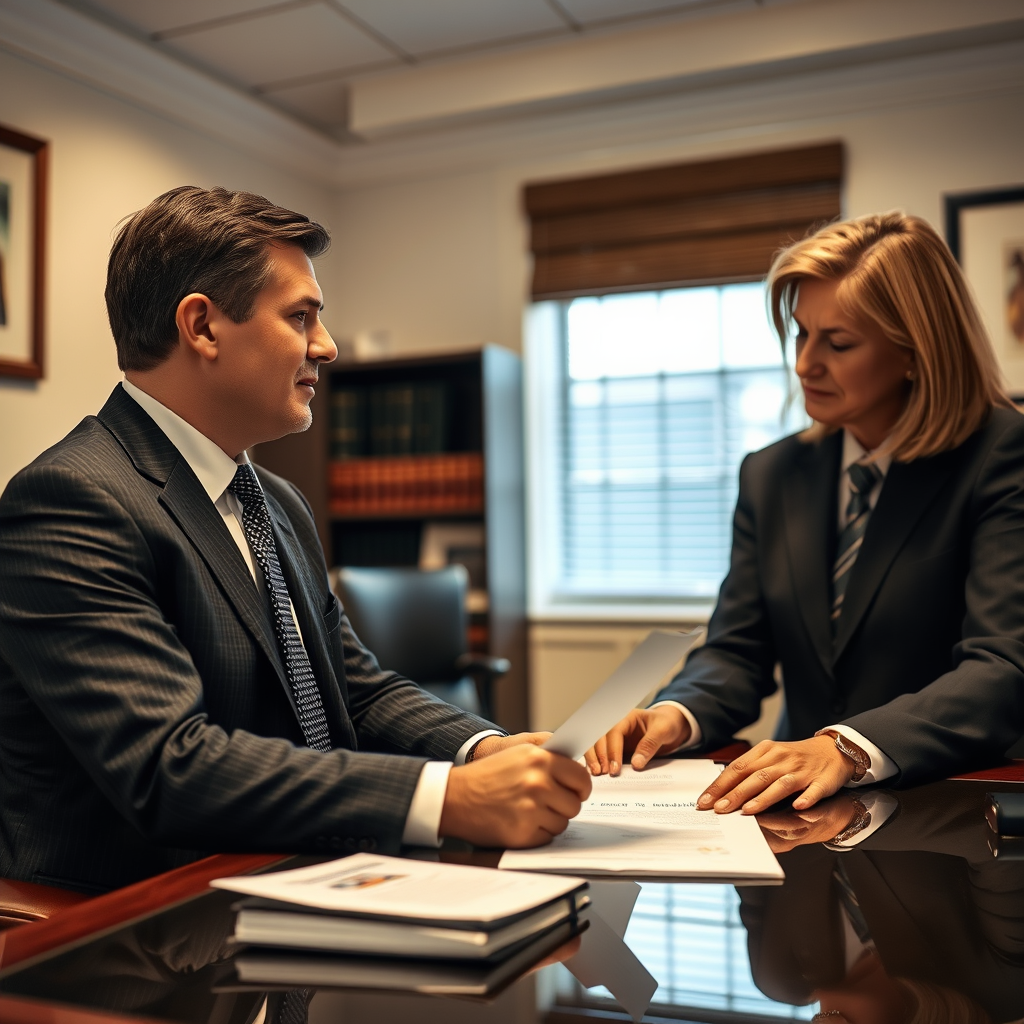
Divorce and Your Home: What to Expect with Real Estate in Chenango County, NY
As of December 2025, the following information applies. In New York, real estate divorce involves the equitable distribution of marital assets, which includes property like your home, land, or investment properties acquired during the marriage. This process requires careful consideration of property valuation, debt, and individual contributions. The Law Offices Of SRIS, P.C. provides dedicated legal defense for these matters.
Confirmed by Law Offices Of SRIS, P.C.
What is Real Estate Divorce in New York?
When a marriage ends in New York, any real estate acquired during that marriage is generally considered marital property, regardless of whose name is on the deed. This doesn’t just mean your family home; it can also include vacation properties, rental units, or even undeveloped land. The state of New York follows the principle of “equitable distribution,” which doesn’t necessarily mean a 50/50 split, but rather a fair division of assets based on various factors. It’s about disentangling lives, and often, the biggest financial asset a couple owns is their real estate. This process can feel daunting, especially when emotions are running high, and the future of your living situation is uncertain. Understanding how New York law approaches property division is the first step toward gaining some peace of mind. Your personal circumstances, how long you were married, each spouse’s financial contributions, and even non-monetary contributions like childcare or homemaking can all play a role in how a court determines a fair distribution. We help clients in Chenango County, NY, understand these nuances.
Think of it like this: your marriage was a partnership, and now you’re dissolving that partnership. Just as you’d divide a business’s assets fairly, the court aims to divide your marital estate fairly. This includes addressing mortgages, property taxes, and any other debts tied to the real estate.
Takeaway Summary: Real estate divorce in New York involves the equitable distribution of marital property, which requires a fair, not necessarily equal, division based on various factors and can be a financially and emotionally significant part of separating. (Confirmed by Law Offices Of SRIS, P.C.)
How Do You Divide Real Estate in a Chenango County, NY Divorce?
Divorce is never easy, and when real estate is involved, it adds another layer of intricacy. For many, their home is not just a financial asset but a repository of memories and emotional attachment. In Chenango County, NY, when going through a divorce, dividing real estate typically follows a structured legal process, guided by New York’s equitable distribution laws. It’s not about who ‘deserves’ more, but what constitutes a fair and just division considering all aspects of your marriage. This often begins with determining if the property is marital or separate, obtaining a fair valuation, and then deciding on the best course of action—whether that means one spouse keeping the home, selling it, or buying out the other. Each option comes with its own financial and emotional implications, and understanding them fully is vital.
-
Determining Marital vs. Separate Property
The first critical step is to identify whether the real estate is marital property or separate property. Marital property includes all assets acquired by either spouse during the marriage, regardless of how it’s titled. Separate property, conversely, is generally anything owned before the marriage, or received as a gift or inheritance during the marriage, that was kept distinct from marital assets. However, even separate property can become ‘commingled’ and transform into marital property if marital funds were used to improve it, or if its value increased due to active efforts by either spouse during the marriage. For example, if you owned a house before marriage, but marital funds were used for significant renovations, a portion of its increased value might be deemed marital. Getting this distinction right is foundational to a fair division in Chenango County, NY.
-
Valuing the Property Accurately
Once property is identified as marital, an accurate valuation is essential. This often involves retaining a professional appraiser who can provide an unbiased assessment of the property’s current market value. The appraisal should take into account the local real estate market in Chenango County, NY, any improvements made, and the overall condition of the property. It’s not uncommon for spouses to have differing opinions on what their home is worth, especially if one wants to keep it and the other wants to sell. A skilled attorney can help ensure that the valuation process is thorough and fair, potentially even advocating for a second appraisal if there are significant discrepancies. The goal is to establish a clear, agreed-upon value before moving forward with division.
-
Considering Options for Division
After valuation, you and your estranged spouse, with the help of your respective legal counsel, will explore various options for dividing the real estate. There are typically three main paths:
- Selling the Property: This is often the simplest solution, especially if neither party wants to keep the home or if there isn’t enough other marital property to offset its value. The proceeds from the sale, after covering selling costs and any outstanding mortgage, are then divided equitably between the parties. This provides a clean financial break.
- One Spouse Buying Out the Other: If one spouse wishes to remain in the home, they can ‘buy out’ the other’s share. This involves paying the other spouse their equitable portion of the property’s value, either through cash, other assets, or a new mortgage. This option can be appealing for families with children who want to maintain stability, but it requires careful financial planning to ensure the remaining spouse can afford the home on their own.
- Deferred Sale: In some situations, particularly when children are involved, a court might order a deferred sale. This means one spouse lives in the home for a specified period (e.g., until the youngest child graduates high school), after which the home is sold, and the proceeds are divided. This offers temporary stability but can prolong the financial entanglement.
The choice depends heavily on individual circumstances, financial capacity, and emotional preferences. Counsel at Law Offices Of SRIS, P.C. can help you assess the pros and cons of each option in your specific situation in Chenango County, NY.
-
Addressing Mortgages and Debts
It’s vital to remember that dividing real estate involves more than just the property itself; it also means addressing any associated debts, primarily the mortgage. If both spouses are on the mortgage, divorcing does not automatically remove one spouse’s obligation to the lender. If one spouse keeps the home, they may need to refinance the mortgage solely in their name to release the other spouse from liability. If this isn’t possible, both names might remain on the mortgage, creating a lingering financial tie that can impact future credit. A clear agreement on who is responsible for payments until one party is removed from the mortgage is absolutely essential. We prioritize securing a complete financial separation for our clients in Chenango County, NY, wherever possible.
-
Legal Documentation and Court Orders
Regardless of the chosen method of division, all agreements must be formally documented in your divorce decree or a separate settlement agreement. This legal document makes the agreement binding and enforceable. If an agreement cannot be reached through negotiation or mediation, a court in Chenango County, NY, will make the decision based on the equitable distribution factors. Ensuring these documents are drafted accurately and comprehensively is paramount to preventing future disputes and ensuring both parties fulfill their obligations. A knowledgeable attorney will ensure your rights and interests are fully protected throughout this detailed documentation process.
Can I Keep My House in a Real Estate Divorce in Chenango County, NY?
The question of keeping the family home is one of the most common and emotionally charged concerns for anyone facing a real estate divorce in Chenango County, NY. For many, the house isn’t just bricks and mortar; it’s the center of their family life, a symbol of stability, and the place where countless memories were made. The thought of losing it, or being forced to sell, can be incredibly distressing. The good news is, yes, it is often possible to keep your house, but it’s not a simple ‘yes’ or ‘no’ answer. It depends on a variety of factors, including your financial capacity, the overall marital estate, and the willingness of your estranged spouse to agree to such an arrangement. Understanding these elements will help you approach the discussion with more clarity and confidence.
One of the primary considerations is whether you can afford to maintain the home on your own. This isn’t just about making the mortgage payment; it includes property taxes, insurance, utilities, and ongoing maintenance. Courts will scrutinize your post-divorce financial situation to ensure that keeping the home won’t place an undue burden on you or prevent the equitable distribution of assets to your former spouse. If your income significantly decreases after divorce, or if you were the non-earning spouse, affording the home might present a substantial hurdle. Sometimes, a spouse may not realize the full financial commitment involved until they sit down with an attorney to review their financial projections. It’s a practical reality that needs to be faced directly.
Another key factor is the equitable distribution principle. If you keep the house, you’ll need to compensate your estranged spouse for their share of its marital value. This often means buying out their interest, which can be accomplished in several ways. You might use other marital assets, such as retirement accounts or investment portfolios, to offset the value of the home. Alternatively, you might need to refinance the mortgage to pull out enough equity to pay your spouse. This is where an accurate property valuation becomes so important, as does a comprehensive understanding of your entire financial picture. If there aren’t enough other assets, and you can’t qualify for a new mortgage or refinance, keeping the home can become very difficult from a financial standpoint.
The presence of children also plays a significant role in discussions about the marital residence. Courts in Chenango County, NY, often prioritize the best interests of the children. If keeping the children in the family home provides stability and minimizes disruption to their lives, a judge might be more inclined to approve arrangements that allow one parent to remain there, sometimes even ordering a deferred sale until the children reach adulthood. However, this is not a guarantee and still hinges on the financial feasibility for the parent remaining in the home. The overall goal is to provide a stable environment while still achieving a fair financial outcome for both parties.
Finally, the willingness of your estranged spouse to agree to you keeping the home is critical. If they are emotionally attached, or if they have a strong financial reason to push for a sale, reaching an agreement might require skilled negotiation. This is where having seasoned legal representation truly matters. Your attorney can advocate for your interests, present compelling arguments about why keeping the home is a viable and equitable solution, and explore creative settlement options. While it’s a common aspiration to remain in the family home, it’s essential to approach this decision with a clear understanding of the legal and financial realities in Chenango County, NY. Your attorney will help you assess if it’s a dream that can be realized or if other housing solutions are more practical for your post-divorce life.
Why Hire Law Offices Of SRIS, P.C. for Your Real Estate Divorce in Chenango County, NY?
When facing a real estate divorce, the stakes are incredibly high. Your financial future, your living situation, and your peace of mind are all on the line. Choosing the right legal counsel is not just about finding someone who understands the law; it’s about finding someone who understands your unique situation, empathizes with your concerns, and relentlessly pursues the best possible outcome for you. At the Law Offices Of SRIS, P.C., we bring a wealth of experience and a client-focused approach to every case, especially those involving the intricate details of property division in Chenango County, NY.
Mr. Sris, our founder, brings a deep understanding of intricate financial and family law matters. His personal insight guides our firm’s approach:
“My focus since founding the firm in 1997 has always been directed towards personally managing the most challenging and intricate criminal and family law matters our clients face.”
This commitment to managing challenging cases is evident in our dedication to our clients. We recognize that a real estate divorce isn’t just a legal battle; it’s a personal journey. We are here to provide clear, direct guidance every step of the way, helping you understand your rights and options without unnecessary jargon or false promises. We believe in empowering our clients with knowledge, allowing them to make informed decisions about their future.
Our firm is built on the principle of diligent advocacy. We are here to represent your interests forcefully, whether through negotiation, mediation, or, if necessary, litigation in Chenango County, NY courts. We meticulously examine every detail of your real estate holdings, from deeds and mortgages to appraisals and tax assessments, ensuring no stone is left unturned in securing a fair distribution of your assets. We work to identify potential issues before they become problems and devise strategies that protect your financial well-being and long-term stability.
The emotional toll of divorce can be immense, and adding the stress of property division can feel overwhelming. Our team offers an empathetic and reassuring presence, providing not just legal advice but also steadfast support. We encourage open communication and are always available to address your questions and concerns, making sure you feel heard and understood throughout what can be a very turbulent time. We are committed to making this challenging period as manageable as possible, providing you with a sense of clarity and hope for what lies ahead.
If you’re in Chenango County, NY, and facing the intricate details of real estate division in a divorce, don’t face it alone. The Law Offices Of SRIS, P.C. has locations in New York, and we are ready to provide the knowledgeable and dedicated legal representation you need. Our New York location is: Our experienced team will guide you through the complexities of asset division and ensure your rights are protected. As a trusted real estate divorce lawyer in NY, we understand the nuances of property laws and can help you navigate this challenging time with confidence. Reach out to us today to schedule a consultation and take the first step toward securing your future.
Law Offices Of SRIS, P.C.
50 Fountain Plaza, Suite 1400, Office No. 142
Buffalo, NY, 14202, US
Phone: +1-838-292-0003
Securing your future starts with a conversation. We offer a confidential case review to discuss the specifics of your situation and outline a personalized legal strategy tailored to your needs. This isn’t just about winning a case; it’s about rebuilding your life on solid ground. Call now to take the first step towards protecting your real estate interests and achieving a favorable outcome in your divorce.
Frequently Asked Questions About Real Estate Divorce in Chenango County, NY
1. Is my house automatically split 50/50 in a New York divorce?
No, New York follows equitable distribution, not necessarily a 50/50 split. The court aims for a fair division of marital property, considering factors like each spouse’s contributions, marriage duration, and financial circumstances, ensuring a just outcome for both parties in Chenango County.
2. What happens to the mortgage if one spouse keeps the house?
If one spouse keeps the house, they typically need to refinance the mortgage solely in their name to remove the other spouse’s liability. If refinancing isn’t feasible, both names may remain, requiring a clear agreement on payment responsibilities to avoid future issues.
3. How is the value of our Chenango County home determined?
The value of your home is typically determined by a professional real estate appraiser agreed upon by both parties or ordered by the court. This ensures an unbiased assessment of its current market value, taking into account local market conditions and property specifics.
4. Can I be forced to sell my house in a divorce?
Yes, if an equitable agreement for one spouse to keep the home cannot be reached, or if there aren’t enough other marital assets to offset its value, a court in Chenango County, NY, may order the sale of the property to ensure fair distribution.
5. What if my spouse owned the house before we got married?
Property owned before marriage is generally considered separate property. However, if marital funds were used for improvements or the value increased due to marital efforts, a portion of that increase might be considered marital property subject to equitable distribution.
6. How do I protect my credit during a divorce involving real estate?
To protect your credit, ensure all joint accounts, especially mortgages, are addressed in the divorce decree. If one spouse assumes the mortgage, they should refinance to remove the other’s name. Maintaining clear payment records is also highly advisable.
7. What if we can’t agree on how to divide the property?
If you and your spouse cannot agree, options like mediation can facilitate a compromise. If mediation fails, the court in Chenango County, NY, will decide on the equitable distribution of your real estate based on legal factors and evidence presented by both parties.
8. Are capital gains taxes a factor when selling a home in divorce?
Yes, capital gains taxes can be a factor if the home’s value has appreciated significantly. It’s essential to discuss potential tax implications with your attorney and a financial advisor, as there are specific rules regarding primary residences and divorce-related property transfers.
9. How long does the real estate division process take in New York?
The duration varies greatly depending on the intricacy of assets, the spouses’ cooperation, and court schedules. It can range from a few months if agreements are quickly reached, to over a year if litigation is required to resolve disputes over property division.
The Law Offices Of SRIS, P.C. has locations in Virginia in Fairfax, Loudoun, Arlington, Shenandoah and Richmond. In Maryland, our location is in Rockville. In New York, we have a location in Buffalo. In New Jersey, we have a location in Tinton Falls.
Past results do not predict future outcomes.