

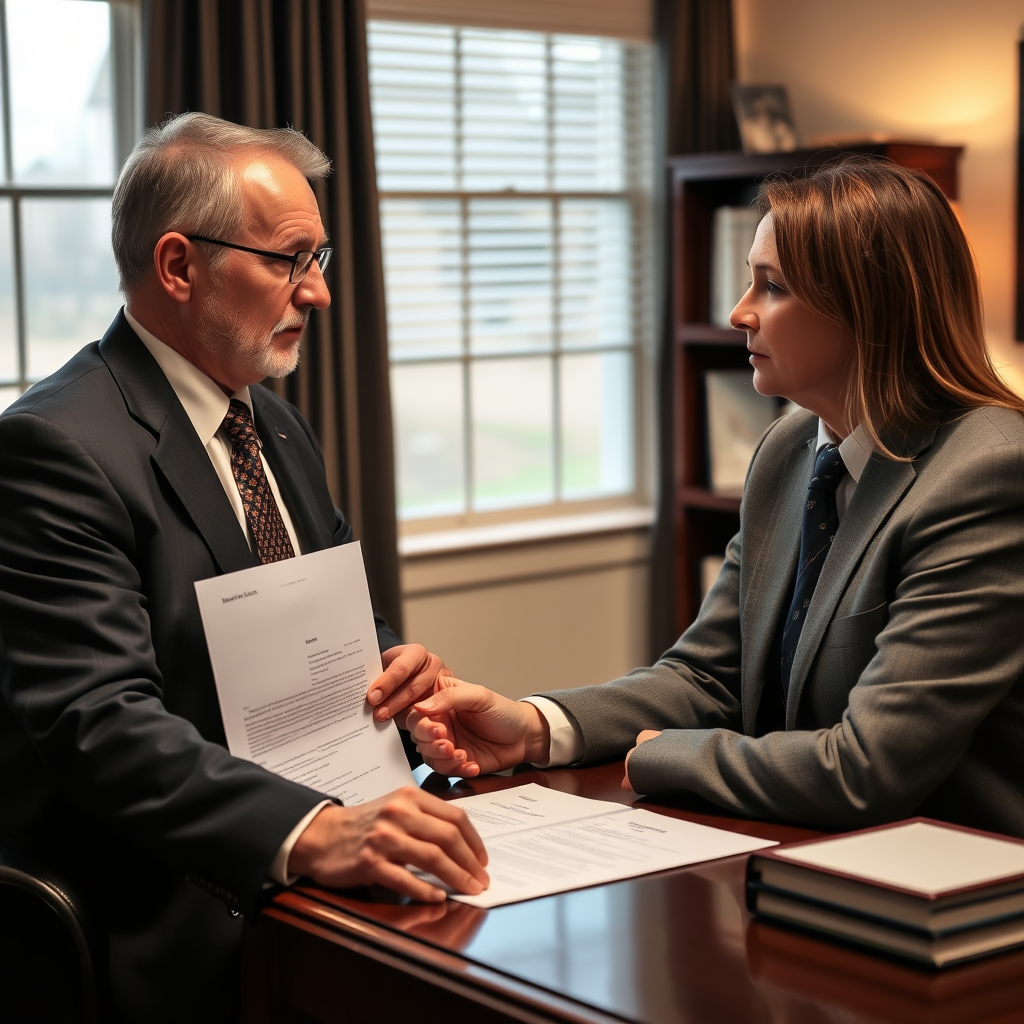
Child Support Attorney Schoharie County NY: Your Advocate in Family Matters
As of December 2025, the following information applies. In New York, child support involves financial contributions from parents to cover their children’s needs, determined by statutory guidelines and individual circumstances. It’s a critical component of family law, aiming to ensure a child’s well-being. The Law Offices Of SRIS, P.C. provides dedicated legal defense for these matters.
Confirmed by Law Offices Of SRIS, P.C.
What is Child Support in New York?
Child support in New York isn’t just a simple calculation; it’s a legal obligation designed to ensure both parents contribute financially to their child’s upbringing. It covers essential needs like food, shelter, clothing, education, and healthcare. The goal is straightforward: to maintain, as much as possible, the standard of living the child would have enjoyed if their parents remained together. It’s about providing stability and opportunity for the kids, even when family structures change.
In New York, the Child Support Standards Act (CSSA) provides a framework for determining these payments. This isn’t some arbitrary system; it’s a set of guidelines the courts use to calculate a basic child support obligation. It starts with combining both parents’ adjusted gross incomes, up to a statutory cap, and then applying a specific percentage based on the number of children. For one child, it’s 17%; for two, 25%; and so on, up to 35% for five or more children. This basic calculation forms the foundation, but it’s rarely the whole story.
Beyond the basic support, New York law also requires consideration of “add-on” expenses. These are often things like childcare costs necessary for a parent to work or get an education, and unreimbursed medical expenses for the child. Courts also look at educational expenses, especially for higher education, or extraordinary expenses for special needs children. The idea is to cover not just the bare minimum but also those significant costs that ensure a child’s overall welfare and future success. These add-ons can significantly impact the final support order, and it’s where much of the negotiation and litigation can happen.
Real-Talk Aside: People often think child support is just about punishing one parent or enriching the other. It’s not. It’s legally about the child’s right to be supported by both parents. Period.
Courts have the discretion to deviate from the CSSA guidelines if applying them would be unjust or inappropriate. This is where individual circumstances truly matter. Factors like the financial resources of each parent, the child’s physical and emotional health and needs, the child’s standard of living, tax consequences, and the non-monetary contributions of each parent are all weighed. For example, if one parent has significantly higher housing costs due to needing a larger home to accommodate the children during their visitation, that might be a factor. Or if a child has a chronic illness requiring extensive medical care not fully covered by insurance, that’s definitely a factor. Understanding these nuances is critical for presenting a fair and effective case.
The process of establishing or modifying child support can feel daunting. It involves gathering extensive financial documentation, understanding complex legal formulas, and presenting your case effectively to the court. This isn’t something you want to guess your way through. The stakes are too high – your child’s future, and your financial stability, depend on it. That’s why having knowledgeable legal counsel by your side can make all the difference, helping you understand your rights and obligations and working towards an equitable outcome for everyone involved, especially the children.
Takeaway Summary: Child support in New York ensures both parents financially contribute to their child’s needs based on statutory guidelines and individual circumstances. (Confirmed by Law Offices Of SRIS, P.C.)
How to Establish or Modify Child Support in Schoharie County, NY?
Establishing or modifying child support in Schoharie County, New York, follows a specific legal path. It’s not a simple conversation; it’s a formal process requiring careful attention to detail and adherence to court procedures. Whether you’re seeking to put a new order in place or adjust an existing one due to life changes, understanding these steps is key to moving forward effectively.
-
Initiate the Legal Process with a Petition
The first step is formally starting the case. This usually involves filing a petition with the Family Court in Schoharie County. This document formally requests the court to establish an initial child support order or to modify an existing one. The petition must clearly state the relief you’re seeking, the reasons for it, and provide basic information about the parents and children involved. This isn’t just filling out a form; it’s the foundation of your legal argument. You’ll need to specify what you believe is the appropriate amount of support or the necessary changes to an existing order.
Getting this right from the start is important because it frames your case for the court. Errors or omissions in the petition can cause delays or even prejudice your case. An experienced attorney can help ensure your petition is drafted accurately, comprehensively, and in full compliance with New York’s procedural rules. This initial legal filing is your opportunity to formally tell the court why you are there and what outcome you are hoping to achieve for your family.
-
Serve the Other Parent with Legal Documents
Once your petition is filed, the next crucial step is ensuring the other parent is properly notified of the court action. This is called “service of process.” New York law has strict rules about how legal documents must be delivered to ensure fairness and due process. Typically, this involves having a neutral third party, like a process server, personally deliver the petition and summons to the other parent. You can’t just mail it yourself or hand it to them.
Proper service is non-negotiable. If the other parent isn’t served correctly, the court can’t move forward with your case, and you might have to start the process all over again. Proof of service, often an affidavit from the process server, must then be filed with the court to demonstrate that the other parent received notice. This step ensures that both parties are fully aware of the legal proceedings and have an opportunity to respond, upholding the integrity of the judicial process.
-
Engage in Financial Disclosure and Discovery
Child support calculations are based heavily on financial information, so both parents will be required to provide full and honest financial disclosure. This means exchanging documents such as income tax returns, pay stubs, W-2 forms, bank statements, asset statements, and records of expenses (like childcare or medical costs). This phase, often called discovery, is where each side gathers the information needed to present their case and to scrutinize the other party’s claims.
It’s vital to be thorough and transparent here. Hiding assets or income, or failing to provide requested documentation, can lead to serious consequences, including adverse court rulings or even sanctions. This stage often involves detailed financial affidavits or statements of net worth, sworn under oath, which lay out each parent’s complete financial picture. Having a seasoned attorney to help you compile and review these documents can be invaluable, ensuring accuracy and protecting your financial interests while complying with legal requirements.
-
Attend Court Hearings or Mediation Sessions
After the initial filings and financial disclosures, you’ll likely attend several court hearings or, in some cases, mediation sessions. Mediation offers an opportunity for parents to reach a mutually agreeable resolution outside of a courtroom, with the help of a neutral mediator. If mediation is successful, the agreement can be formalized into a court order. This can often be a less confrontational and quicker path to resolution, and it gives parents more control over the outcome.
However, if mediation isn’t suitable or fails to produce an agreement, the case will proceed to court hearings. During these hearings, both parents will present their evidence and arguments to a judge or support magistrate. This includes testimony, financial documents, and any other relevant information that supports their position regarding child support. An attorney will represent your interests, cross-examine the other party, and argue on your behalf, ensuring your voice is heard clearly and effectively.
-
Obtain a Final Child Support Order
The culmination of the process is a final child support order issued by the Schoharie County Family Court. This order will legally mandate the amount of child support to be paid, the frequency of payments, and how add-on expenses (like medical, dental, vision, or childcare costs) will be shared. It will also specify when payments begin and how they should be made, often through the Support Collection Unit (SCU) to ensure proper tracking and enforcement. This order is a legally binding document that both parents must adhere to.
Once the order is issued, it has the full force of law. Failure to comply can result in serious consequences, including wage garnishments, interception of tax refunds, suspension of driver’s licenses, or even jail time in extreme cases. Understanding the precise terms of your order is paramount, and your attorney can help clarify any ambiguities. A clear, enforceable order provides certainty and stability for both parents and, most importantly, for the child.
-
Consider Modification for Significant Life Changes
Life doesn’t stand still, and neither do financial circumstances. Child support orders can be modified if there’s been a significant change in circumstances. This could include a substantial change in either parent’s income (either an increase or decrease of 15% or more, or if three years have passed since the order was entered, or if there has been a change in physical custody of the child), a change in the child’s needs, or a new medical condition requiring significant expenses. You can’t just stop paying or change the amount on your own; you must petition the court for a modification.
If you experience a significant life event – perhaps a job loss, a new higher-paying job, or a child’s unforeseen medical needs – it’s crucial to seek legal guidance promptly. Waiting too long can mean you’re still bound by an outdated order, potentially leading to financial hardship or underpayment. An attorney can assess your situation, prepare the necessary paperwork, and represent you in court to seek an appropriate adjustment to the child support order, ensuring it reflects current realities for all involved.
Can I Change a Child Support Order in Schoharie County if My Income Changes Drastically?
Yes, absolutely. This is a very common and legitimate concern for many parents in Schoharie County and across New York State. Life doesn’t come with a guarantee of steady income, and things like job loss, a significant promotion, a new medical condition that impacts earning capacity, or even starting a new family can drastically alter your financial picture. When your income changes drastically, the existing child support order that was based on your previous financial situation might become unsustainable or, conversely, inadequate for your child’s needs.
New York law understands that these situations arise, and it provides mechanisms for modifying child support orders to reflect current realities. You can’t just decide to pay less or more on your own, however. You have to go through the proper legal channels. The court specifically looks for a “substantial change in circumstances” to warrant a modification. This is where the drastic income change comes into play. If your income has increased or decreased by 15% or more, or if three years have passed since the order was entered or last modified, the court generally presumes there’s a reason to review the order. This legal provision is designed to keep child support orders fair and relevant to the evolving financial lives of families.
It’s important to act quickly if your income changes significantly. If you’re the paying parent and your income has dropped, continuing to pay the old amount could lead to accumulating arrears, which can have serious legal consequences like wage garnishment, driver’s license suspension, or even passport denial. On the flip side, if your income has increased substantially, the other parent might petition for an upward modification to ensure the child continues to benefit from both parents’ financial capabilities. Waiting can complicate things and potentially put you in a worse position, so seeking a confidential case review as soon as your circumstances change is a smart move.
The modification process in Schoharie County Family Court will require you to present clear evidence of your changed financial situation. This means providing updated pay stubs, tax returns, proof of job loss, medical documentation if a health issue impacts your earning ability, or any other relevant financial records. The court will review these documents, and often both parents will be required to provide updated financial disclosures. This thorough review ensures that any new child support order is based on accurate, up-to-date financial information for both parties.
Blunt Truth: The court doesn’t automatically know your financial situation has changed. You have to tell them, formally, and prove it. Procrastinating only causes bigger headaches down the road.
The goal of a modification isn’t to punish anyone but to ensure the child support order remains equitable and continues to meet the child’s needs while being realistically sustainable for both parents. It’s about adjusting to life’s inevitable shifts. Counsel at Law Offices Of SRIS, P.C. are knowledgeable in handling these types of modifications and can guide you through the process, helping you compile the necessary documentation and present your case effectively to the Schoharie County Family Court. We’re here to help you understand your options and pursue a fair outcome that reflects your current financial reality and, most importantly, continues to prioritize your child’s well-being.
Why Hire Law Offices Of SRIS, P.C. for Your Schoharie County Child Support Case?
When you’re facing child support matters in Schoharie County, you’re not just dealing with legal forms and calculations; you’re dealing with the emotional and financial future of your family. It’s understandable to feel overwhelmed, to worry about fairness, and to question how all of this will impact your children. This isn’t just a transaction; it’s deeply personal, and you need legal counsel who understands that and can provide both empathetic guidance and decisive action.
At the Law Offices Of SRIS, P.C., we bring a seasoned approach to family law that prioritizes clear communication, robust advocacy, and a deep understanding of New York’s specific child support statutes. Our commitment is to represent your interests vigorously while always keeping the best interests of your children at the forefront. We know that every family’s situation is unique, and a one-size-fits-all approach simply won’t work. That’s why we take the time to listen, to understand your specific circumstances, and to craft a legal strategy that is tailored to your goals.
Mr. Sris, our founder and principal attorney, offers extensive experience in family law. As he puts it, “My focus since founding the firm in 1997 has always been directed towards personally handling the most challenging and complex criminal and family law matters our clients face.” This insight reflects a personal commitment to the intricacies of family legal challenges, including child support. His background and long-standing dedication mean you’re not just getting a lawyer; you’re getting an advocate with a profound understanding of how these cases play out and how to best position you for success.
We work tirelessly to provide clarity in what often feels like a confusing and emotionally charged process. From explaining the Child Support Standards Act (CSSA) guidelines and how they apply to your income, to detailing the potential for add-on expenses like childcare and medical costs, we make sure you understand every step. We prepare you for court appearances, help you organize crucial financial documentation, and stand by your side, whether in negotiations, mediation, or litigation in the Schoharie County Family Court. Our goal is to demystify the legal system and empower you with the knowledge needed to make informed decisions.
Choosing the Law Offices Of SRIS, P.C. means choosing a firm that is responsive and attentive to your needs. We understand that questions arise, anxieties build, and you need to know that your legal team is accessible. We pride ourselves on clear and consistent communication, ensuring you’re always updated on the progress of your case and have your concerns addressed promptly. Our team is dedicated to providing compassionate yet firm representation, ensuring your rights are protected and your voice is heard throughout the child support process.
When the future of your children is on the line, you need legal counsel that combines legal acumen with a genuine understanding of the human element. We’re here to help you secure a fair and sustainable child support order, or to modify an existing one to reflect new realities. Let us bring our experience and dedication to your Schoharie County child support matter, providing the guidance and advocacy you need to move forward with confidence and hope.
Law Offices Of SRIS, P.C. has a location in New York at:
50 Fountain Plaza, Suite 1400, Office No. 142
Buffalo, NY, 14202, US
Phone: +1-838-292-0003
Call now for a confidential case review.
Frequently Asked Questions About Child Support in Schoharie County, NY
What is the minimum child support obligation in New York?
New York law mandates a minimum basic child support obligation of $25 per month per child, or $300 annually. Even if parents have very low incomes, this statutory minimum generally applies to ensure some level of financial contribution for the child’s needs.
How is gross income calculated for child support purposes in NY?
Gross income includes all income from any source, minus certain deductions like FICA, NYC and Yonkers income taxes, and specific child support paid for other children. It’s a comprehensive look at your financial earnings before many typical deductions.
Can child support include college expenses in New York?
Yes, New York courts can order parents to contribute to college expenses, especially if they would have done so had the family remained intact. Factors like parents’ financial ability and the child’s academic aptitude are considered. It’s not automatic, but certainly possible.
What happens if a parent doesn’t pay child support in Schoharie County?
Failure to pay can lead to serious enforcement actions, including wage garnishment, interception of tax refunds, suspension of driver’s licenses, and even passport denial. The court takes non-payment very seriously, as it impacts the child directly.
Can I get child support if we were never married?
Yes. Marriage status doesn’t determine a parent’s obligation to support their child. Unmarried parents can establish paternity and then seek child support through the Family Court in Schoharie County, just like married parents can.
How long does child support last in New York?
Generally, child support in New York continues until the child turns 21 years old. However, it can terminate earlier if the child becomes emancipated, for instance, by getting married, joining the military, or becoming self-supporting before 21.
Is child support taxable income for the recipient?
No, child support payments are neither taxable income for the parent receiving them nor tax-deductible for the parent paying them. This is an important distinction to understand for tax planning purposes, unlike alimony which is treated differently.
What if I disagree with the Support Magistrate’s decision?
If you disagree, you can file objections with the Family Court Judge within 30 days of receiving the Support Magistrate’s order. This allows a judge to review the magistrate’s decision. It’s a critical step if you believe an error was made.
What is the role of the Support Collection Unit (SCU)?
The SCU is responsible for collecting and distributing child support payments. They also track payments, enforce orders when payments are missed, and can assist with locating non-paying parents. They are a vital resource for enforcement.
Can child support be modified if a parent gets a new baby?
Having a new child with another partner is a change in circumstances, but it doesn’t automatically mean a modification. The court will consider the new financial responsibilities in the context of both parents’ overall ability to support all their children, including existing support obligations.