

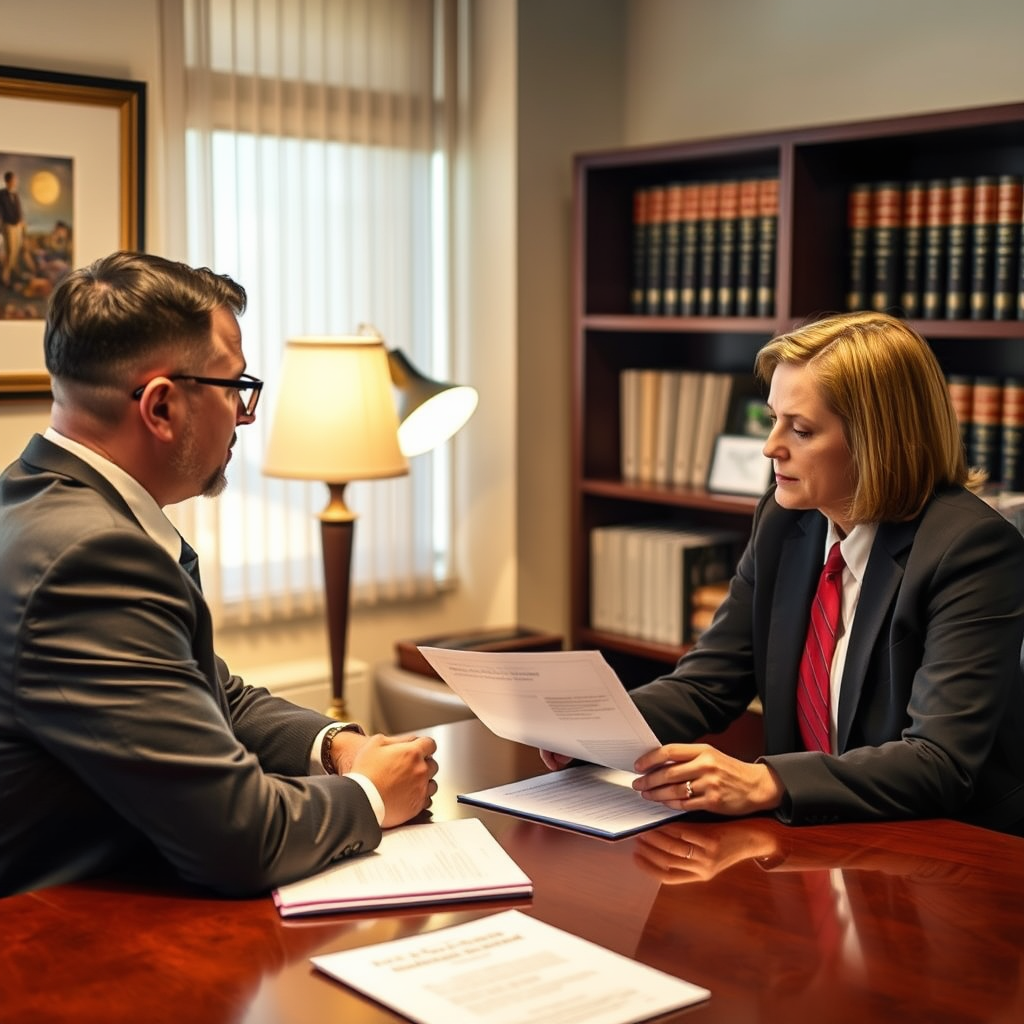
Military Divorce Lawyer St. Lawrence County, NY: Protecting Your Rights
As of December 2025, the following information applies. In New York, military divorce involves unique considerations like federal laws, military benefits, and specific jurisdiction rules. A direct answer to service member divorce in St. Lawrence County NY requires understanding the interplay of state and federal statutes to ensure a fair outcome. Law Offices Of SRIS, P.C. provides dedicated legal defense for these complex matters.
Confirmed by Law Offices Of SRIS, P.C.
What is Military Divorce in New York?
A military divorce in New York is essentially a divorce action where one or both spouses are current or former members of the U.S. armed forces. This means that, beyond the standard New York State divorce laws, there’s a whole layer of federal regulations and military-specific rules that come into play. We’re talking about things like how and when a service member can be served divorce papers, how military pensions are divided, and how child custody or visitation might be affected by deployments. It’s not just a regular divorce; it requires a deep understanding of both state and federal laws to properly defend your interests. This unique blend of civilian and military law is what makes these cases distinct and often more intricate than a standard divorce. You can’t approach it with a one-size-fits-all mentality. Every situation is different, and the nuances of military life demand careful consideration in the legal process.
For example, imagine a situation where a service member is deployed overseas. New York State law might have certain requirements for notification or court appearances, but federal law, specifically the Servicemembers Civil Relief Act (SCRA), allows the service member to postpone or suspend civil proceedings, including divorce, under certain circumstances. This can significantly impact the timeline and strategy of a military divorce. Similarly, the division of military retirement pay isn’t just a matter of New York’s equitable distribution laws; it’s also governed by the Uniformed Services Former Spouses’ Protection Act (USFSPA), which dictates how states can divide this particular asset. These aren’t minor details; they’re foundational elements that shape the entire divorce process for military families in St. Lawrence County, NY.
Understanding these unique aspects is absolutely vital. Without proper legal guidance from a knowledgeable military family lawyer in St. Lawrence County NY, you might overlook critical protections or fail to assert your rights effectively. The goal is always to achieve a fair and just resolution that considers the sacrifices and unique circumstances of military life while adhering to all applicable laws. It’s about ensuring that both parties, whether the service member or the civilian spouse, are treated equitably under the law, taking into account the distinct nature of military service and its impact on a marriage. This isn’t just about ending a marriage; it’s about untangling a marriage deeply intertwined with a demanding and unique career, and doing so with precision and care.
Takeaway Summary: Military divorces in New York involve unique federal laws impacting service, property, and benefits. (Confirmed by Law Offices Of SRIS, P.C.)
How to Navigate a Military Divorce in St. Lawrence County, NY?
Addressing a military divorce in St. Lawrence County, NY, requires a methodical approach that respects both New York State family law and the specific federal statutes governing military personnel. It’s a journey that can feel overwhelming, but breaking it down into manageable steps can help bring some clarity. Here’s a structured way to approach the process, ensuring all unique aspects of a service member divorce in St. Lawrence County NY are properly considered:
- Understand Service of Process and the SCRA: The Servicemembers Civil Relief Act (SCRA) is a federal law that offers protections to service members, including the ability to temporarily postpone civil legal proceedings. If your spouse is an active-duty service member, you can’t just serve them papers like you would a civilian. You must understand how to properly notify them and what their rights are under the SCRA to ensure the divorce proceeds lawfully. Failing to adhere to SCRA guidelines can invalidate the entire proceeding, causing significant delays and complications.
- Establish Proper Jurisdiction: One of the first hurdles in any divorce, especially a military one, is establishing proper jurisdiction. For a military divorce in St. Lawrence County, NY, either you or your spouse generally needs to reside in New York, and typically, St. Lawrence County, for a specific period before filing. However, military members often move frequently. Federal law and specific state rules allow for some flexibility here, particularly if the service member is deployed or stationed elsewhere but maintains New York as their legal residence. It’s not always as simple as living in the state for six months; military connections can influence where the divorce can legally proceed.
- Address Property Division Under USFSPA: The Uniformed Services Former Spouses’ Protection Act (USFSPA) is a critical federal law that permits state courts to treat disposable military retired pay as marital property subject to division. New York is an equitable distribution state, meaning marital assets are divided fairly, though not necessarily equally. This includes military pensions, which are often a significant asset. Understanding the “10/10 rule” (which impacts direct payment from the Department of Defense to the former spouse) and the “20/20/20 rule” (related to continued TRICARE and commissary privileges) is absolutely essential. Don’t assume military retirement is untouchable; it’s a key component of many military divorces.
- Manage Child Custody and Visitation with Deployments in Mind: When a parent is a service member, child custody and visitation arrangements require careful planning for deployments, temporary duty assignments (TDY), and changes in station. New York courts prioritize the child’s best interests, but they also recognize the unique challenges of military life. Creating a parenting plan that includes provisions for communication during deployments, temporary custody to a family member, and a plan for reintegration upon return is vital. We need to plan for the unexpected.
- Determine Spousal Support/Alimony: Spousal support in military divorces in St. Lawrence County, NY, follows New York’s guidelines, but the income of a service member can be complex to calculate due to various allowances (Basic Allowance for Housing, Basic Allowance for Subsistence, etc.) that aren’t always reflected in base pay. A knowledgeable military family lawyer in St. Lawrence County NY will understand how to accurately assess a service member’s true financial picture for fair support calculations.
- Gather Essential Financial and Military Documentation: Before moving forward, you’ll need a robust collection of documents. This includes marriage certificates, birth certificates, pay stubs, tax returns, bank statements, investment accounts, and, crucially, military records. For service members, this means Leave and Earnings Statements (LES), military orders, retirement point statements, and any information related to Thrift Savings Plans (TSP) or other military benefits. The more thoroughly you prepare, the stronger your position will be.
- Explore Mediation or Litigation: While litigation is always an option, mediation can offer a less adversarial and often more cost-effective path to resolution. For military divorces, this can be particularly useful for crafting nuanced parenting plans or property division agreements that factor in military life without the rigid constraints of a courtroom. However, if agreements cannot be reached, preparing for litigation with dedicated legal representation becomes necessary to defend your rights in court.
- Consider the Impact on Healthcare and Other Benefits: Beyond retirement pay, military divorces affect healthcare (TRICARE), commissary and exchange privileges, and survivor benefit plans. The USFSPA, along with various Department of Defense regulations, dictates eligibility for these benefits for former spouses. It’s important to understand the criteria, such as the 20/20/20 rule, which can allow a former spouse to maintain full TRICARE benefits indefinitely.
- Anticipate Post-Divorce Modifications: Military life is dynamic. Deployments, promotions, and changes in duty stations are common. A well-crafted divorce decree will include provisions for future modifications, especially regarding child custody and support, to account for these changes. However, even with foresight, circumstances change, and you may need to revisit court orders.
- Seek Dedicated Legal Representation: This is perhaps the most important step. Given the distinct intersection of state and federal law, having a military divorce lawyer in St. Lawrence County, NY, who understands these specific challenges is paramount. They can ensure your rights are protected, all relevant laws are applied correctly, and you achieve the best possible outcome for your unique situation.
Taking on a military divorce without knowledgeable guidance can leave you feeling lost and vulnerable to unfavorable outcomes. Our experienced team can help you identify your goals and work toward a resolution that accounts for the special circumstances of military life. It’s about building a solid strategy that anticipates the unique challenges and opportunities presented by a military divorce, ensuring a fair and sustainable future for you and your family.
Can I Protect My Military Retirement and Benefits in a St. Lawrence County, NY Divorce?
It’s a completely understandable concern: when facing a military divorce in St. Lawrence County, NY, the first question many service members and their spouses have is, “What happens to my military retirement and other benefits?” The simple truth is, yes, these assets can be significantly impacted, but with the right legal approach, you absolutely can work to protect your interests. It’s not about avoiding division entirely, but about ensuring a fair and lawful distribution under the specific rules that apply to military families. This isn’t just a state law issue; it’s a critical intersection of New York’s equitable distribution principles and federal laws like the Uniformed Services Former Spouses’ Protection Act (USFSPA).
Let’s talk about military retirement pay first. Many assume it’s immune to divorce proceedings, but that’s not the case. The USFSPA authorizes state courts to treat disposable military retired pay as marital property, subject to division. In New York, an equitable distribution state, this means the portion of retirement benefits earned during the marriage can be divided fairly between the spouses. “Fairly” doesn’t always mean 50/50; it means what the court deems just and equitable based on various factors, including the length of the marriage, contributions of each spouse, and their financial circumstances.
Blunt Truth: Your military retirement is a valuable asset, and defending it effectively requires a seasoned military divorce lawyer in St. Lawrence County NY who understands not just how New York law applies, but also the specific calculations and limitations imposed by the USFSPA. We’re talking about ensuring that only the marital portion of the retirement is considered and that the calculation of “disposable retired pay” (the amount available for division) is accurate. There are intricate rules for this, and getting it wrong can cost you significantly in the long run.
Beyond retirement pay, other benefits come into play. TRICARE health insurance, commissary and exchange privileges, and the Survivor Benefit Plan (SBP) are all part of the conversation. For former spouses, eligibility for continued TRICARE coverage depends on factors like the length of the marriage and the length of the service member’s military service. The “20/20/20 rule” is a key component here: if the marriage lasted at least 20 years, the service member performed at least 20 years of creditable service, and there was at least a 20-year overlap of the marriage and service, the former spouse can maintain full TRICARE benefits. There are also 20/20/15 and 20/15/20 rules with different implications. Understanding these thresholds is essential for both parties.
The Survivor Benefit Plan (SBP) is another significant consideration. This plan allows a service member to elect that a portion of their retired pay be paid to a designated beneficiary (often a former spouse) upon their death. This can be a vital form of financial security for a former spouse, and a court in St. Lawrence County, NY, can order a service member to elect SBP coverage for a former spouse. Making sure these elections are correctly documented and enforced is critical to the financial future of the former spouse.
Lastly, what about VA disability benefits? This is an area where there is often confusion. Federal law, specifically 38 U.S.C. § 5301, states that VA disability benefits are generally not divisible as marital property in a divorce. However, this doesn’t mean they are entirely irrelevant. While the benefits themselves can’t be divided, they can impact a court’s decision regarding spousal support. For instance, if a service member receives significant VA disability, it might influence their ability to pay or their need to receive spousal support. This distinction is subtle but incredibly important to grasp.
Protecting your military retirement and benefits isn’t a passive act; it requires proactive, informed legal representation. Whether you’re the service member striving to protect the assets you earned through years of dedicated service, or the civilian spouse seeking a fair share of what was built during the marriage, having an experienced military family lawyer in St. Lawrence County NY is your strongest asset. We work to ensure that all relevant federal and state laws are applied correctly, that complex calculations are accurate, and that your long-term financial security is prioritized throughout the divorce process. Don’t leave these vital assets to chance; seek a confidential case review to understand your specific rights and options.
Why Choose Law Offices Of SRIS, P.C. for Your Military Divorce in St. Lawrence County, NY?
Facing a military divorce in St. Lawrence County, NY, isn’t just another legal challenge; it’s a deeply personal and often complex journey that demands dedicated legal representation. At Law Offices Of SRIS, P.C., we understand the unique pressures and regulations that apply to service members and their families. Our approach is built on a foundation of experience, a thorough understanding of the law, and a commitment to providing empathetic yet direct counsel.
Mr. Sris, our founder, brings a profound level of insight to every case. He states, “My focus since founding the firm in 1997 has always been directed towards personally handling the most challenging and complex criminal and family law matters our clients face.” This dedication to tackling intricate family law issues, particularly those with added layers of federal regulation like military divorces, is at the core of our practice. We don’t shy away from the hard cases; we embrace them, applying a detailed and strategic approach to ensure your rights and interests are vigorously defended.
What sets us apart for military divorce matters in St. Lawrence County, NY? It’s our meticulous attention to the interplay between New York State family law and federal military regulations. We don’t just know the law; we understand how it applies to the real-life situations of military families, from understanding the Servicemembers Civil Relief Act (SCRA) and its impact on divorce proceedings to dissecting the intricacies of the Uniformed Services Former Spouses’ Protection Act (USFSPA) for property and benefit division.
Our team is adept at managing the specific challenges that arise in service member divorce in St. Lawrence County NY, such as jurisdictional complexities when spouses reside in different states or countries, the proper calculation and division of military retired pay, and crafting child custody arrangements that account for active-duty deployments and frequent relocations. We ensure that every aspect of your case, from spousal support to healthcare benefits (like TRICARE), is addressed with precision and foresight.
When you choose Law Offices Of SRIS, P.C., you’re not just getting legal advice; you’re gaining a partner who will stand by you through every step of this challenging process. We provide confidential case reviews, giving you a safe space to discuss your unique situation without judgment and to understand your legal options clearly. Our goal is to alleviate your fear and provide clarity, guiding you towards a hopeful resolution that secures your future.
We are prepared to defend your interests vigorously, whether through negotiation, mediation, or, if necessary, in court. Our comprehensive understanding of military law and family law empowers us to create tailored strategies that aim for the best possible outcomes, protecting your financial assets, your relationship with your children, and your peace of mind.
For dedicated and experienced legal representation in your military divorce in St. Lawrence County, NY, trust the Law Offices Of SRIS, P.C.
Our address for your confidential case review: 50 Fountain Plaza, Suite 1400, Office No. 142,Buffalo,NY,14202,US
You can reach us at: +1-838-292-0003
Call now to schedule your confidential case review and take the first step toward a secure future.
Frequently Asked Questions About Military Divorce in St. Lawrence County, NY
Q1: How does military service affect divorce residency requirements in NY?
A1: While New York typically requires residency, military personnel often have special provisions. A service member may file for divorce in New York if they consider it their legal domicile, even if stationed elsewhere. It depends on their intent and established connections to the state.
Q2: What is the SCRA and how does it apply to military divorce?
A2: The Servicemembers Civil Relief Act (SCRA) allows active-duty service members to postpone court proceedings, including divorce actions. This protection aims to prevent default judgments against them while they are unable to appear due to military duties. It’s a key federal law.
Q3: How are military pensions divided in a New York divorce?
A3: Military pensions are divisible as marital property under New York’s equitable distribution laws, guided by the Uniformed Services Former Spouses’ Protection Act (USFSPA). Only the portion earned during the marriage is typically subject to division, calculated as “disposable retired pay.”
Q4: Can I receive TRICARE benefits after a military divorce?
A4: Eligibility for continued TRICARE benefits as a former spouse depends on rules like the 20/20/20 rule, which considers the length of marriage, military service, and their overlap. Meeting specific criteria allows for maintaining full TRICARE coverage.
Q5: What happens to child custody when a parent is deployed?
A5: New York courts prioritize the child’s best interests. During deployment, a temporary custody arrangement is often made, sometimes with a family member. The service member typically retains parental rights, and a plan for reintegration upon return is crucial for continuity.
Q6: Is mediation an option for military divorces in St. Lawrence County?
A6: Yes, mediation is often a preferred option for military divorces. It allows couples to craft tailored agreements for property division, child custody, and support, considering military life’s unique aspects, potentially saving time and reducing conflict. It promotes cooperative resolutions.
Q7: How is child support calculated in military divorces?
A7: Child support in military divorces follows New York State guidelines, but calculating a service member’s income can be complex due to allowances like Basic Allowance for Housing (BAH) and Basic Allowance for Subsistence (BAS). These allowances may be included in income calculations.
Q8: What if my spouse is stationed overseas?
A8: If your spouse is stationed overseas, proper service of divorce papers becomes more intricate due to international law and military regulations. The SCRA might also allow them to request a stay of proceedings. A knowledgeable lawyer can guide this complex process.
Q9: Are VA disability benefits divisible in a NY divorce?
A9: Generally, VA disability benefits are not divisible as marital property in a New York divorce, according to federal law. However, the amount of these benefits can sometimes be considered by the court when determining spousal support amounts or needs.
Q10: What is the “10/10 rule” in military divorce?
A10: The “10/10 rule” means that if the marriage and the service member’s creditable military service overlapped for at least 10 years, the Defense Finance and Accounting Service (DFAS) can make direct payments of a former spouse’s share of retirement pay. It affects payment logistics.
The Law Offices Of SRIS, P.C. has locations in Virginia in Fairfax, Loudoun, Arlington, Shenandoah and Richmond. In Maryland, our location is in Rockville. In New York, we have a location in Buffalo. In New Jersey, we have a location in Tinton Falls.
Past results do not predict future outcomes.