

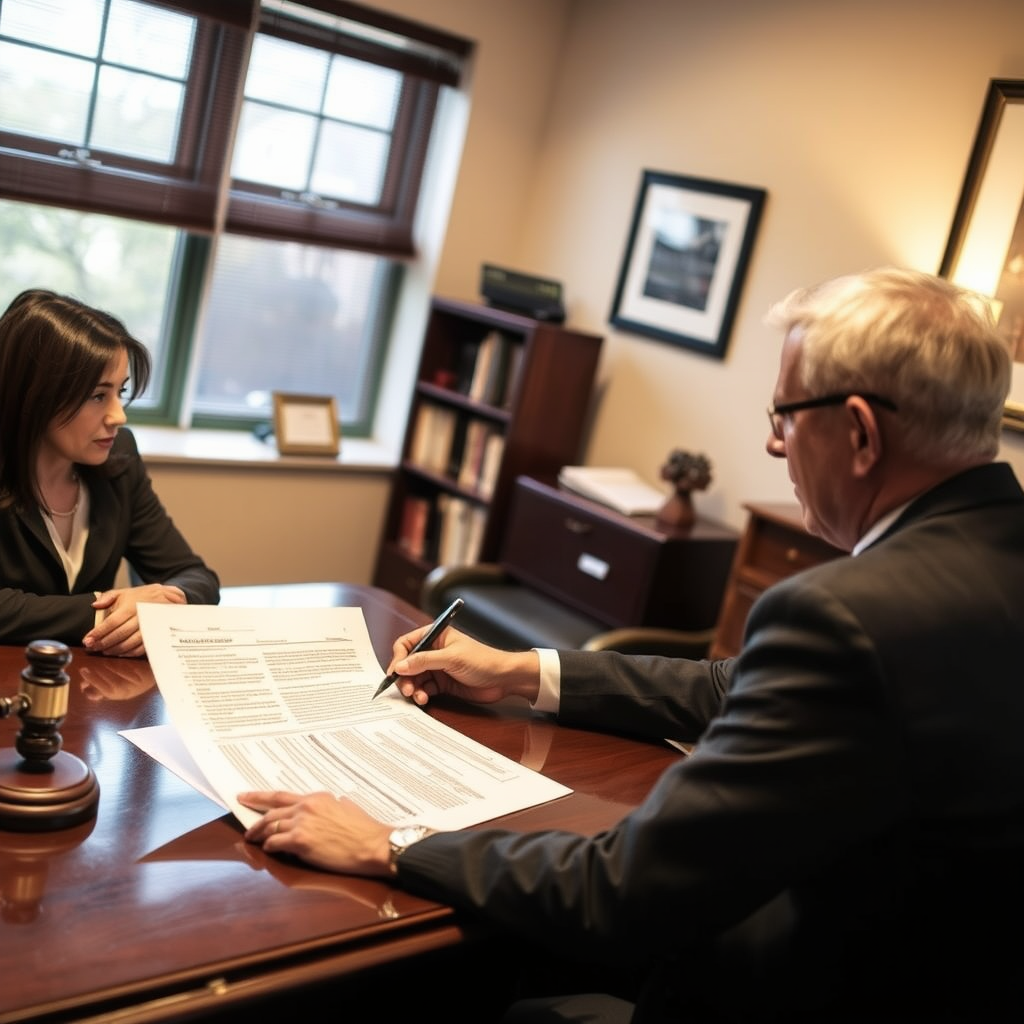
Real Estate Divorce Lawyer Yates County, NY | Property Division Attorneys
As of December 2025, the following information applies. In New York, real estate divorce involves the equitable distribution of marital property, which often includes the family home, investment properties, and other real assets. This process aims for a fair division, not necessarily an equal one, taking into account various factors. The Law Offices Of SRIS, P.C. provides dedicated legal defense for these matters, helping clients in Yates County navigate complex property issues with clarity and confidence.
Confirmed by Law Offices Of SRIS, P.C.
What is Real Estate Divorce in Yates County, NY?
Simply put, ‘real estate divorce’ in Yates County, NY, is the legal process of dividing jointly owned properties — things like your family home, vacation homes, rental properties, or even undeveloped land — when a marriage ends. In New York, the law doesn’t automatically split everything 50/50. Instead, it follows a principle called ‘equitable distribution.’ This means the courts aim for a division that’s fair, considering what each spouse contributed to the marriage, their financial situations, and a host of other factors. It’s not just about who paid the mortgage; it’s a deeper look at the marital partnership and what’s just for both parties moving forward. Think of it less as a strict mathematical equation and more as a judge trying to balance the scales of justice based on your unique circumstances.
Takeaway Summary: Real estate divorce in Yates County, NY, focuses on the equitable (fair, not necessarily equal) distribution of marital properties, considering all contributions and circumstances. (Confirmed by Law Offices Of SRIS, P.C.) Navigating the complexities of property division can be challenging, especially when emotions run high. Seeking assistance from professionals is crucial, and many couples in this situation turn to Yates County divorce lawyer services for guidance. These experts can help ensure that all factors are taken into account, leading to a fair outcome for both parties.
How to Secure Your Fair Share in a Yates County, NY Real Estate Divorce?
When you’re going through a divorce, the thought of losing your home or seeing your property unfairly divided can be scary. But don’t worry, there’s a process to follow that helps ensure you get what you’re rightfully owed. It’s not always easy, but having a clear understanding of the steps can make a big difference. Let’s break down how property division generally works in Yates County, NY, so you know what to expect and how to prepare.
-
Understand Marital vs. Separate Property
Before you can divide anything, you need to know what’s on the table. In New York, property acquired during the marriage is generally considered ‘marital property’ and is subject to equitable distribution. This includes the home you bought together, any investment properties, or even improvements made to separate property using marital funds. ‘Separate property,’ on the other hand, is usually property you owned before the marriage, inherited during the marriage, or received as a gift from someone other than your spouse. Even then, separate property can sometimes get tangled up if marital funds or effort increased its value. It’s essential to meticulously identify and categorize every asset to build a strong case for your claim. Blunt Truth: What you think is ‘yours’ might legally be ‘ours’ in the eyes of the court, depending on when and how it was acquired or enhanced. This is where an experienced eye comes in handy to correctly label each piece of real estate.
-
Accurately Value All Real Estate
You can’t divide what you don’t know the true worth of. Valuing real estate isn’t just about looking up Zillow. It involves professional appraisals to determine the current market value of your home, land, or other properties. Sometimes, if a property has changed significantly or there’s a dispute, multiple appraisals might be needed. You’ll also need to account for any outstanding mortgages, liens, or other debts tied to the property. Getting a precise valuation is absolutely foundational. If a house is undervalued, you could lose out on a significant portion of your fair share. If it’s overvalued, it might complicate a buyout or sale. We’re talking about your financial future, so precision here isn’t just a good idea; it’s a necessity. This step often requires bringing in qualified real estate professionals who understand the Yates County market dynamics.
-
Negotiation and Settlement Discussions
Ideally, you and your spouse can agree on how to divide the real estate without a judge stepping in. This often happens through direct negotiation, mediation, or a collaborative divorce process. In mediation, a neutral third party helps facilitate discussions to reach a mutually agreeable settlement. Collaborative divorce involves both parties and their attorneys committing to resolve issues outside of court, working together to find creative solutions. These methods can be less adversarial, quicker, and more cost-effective than litigation. Plus, when you agree, you retain more control over the outcome. However, it’s not always sunshine and rainbows. Sometimes, emotions run high, or one party is simply unwilling to compromise. Having a seasoned attorney by your side during these negotiations ensures your interests are strongly represented and that any proposed settlement is truly equitable.
-
Court Intervention (Litigation)
If reaching an agreement through negotiation or mediation proves impossible, the court will step in to decide. This is where a judge will hear arguments from both sides and apply New York’s equitable distribution factors to make a ruling. These factors are broad and can include things like the length of the marriage, the age and health of each spouse, their incomes and earning capacities, the non-monetary contributions of each spouse to the household, and even wasteful dissipation of marital assets by one party. Litigation can be a lengthy and expensive process, and the outcome is ultimately in the hands of a third party. It’s a serious step, but sometimes, it’s the only way to get a fair resolution when communication has completely broken down. Preparing for litigation means gathering exhaustive documentation and presenting a compelling case to the court, demonstrating why your proposed division is the most equitable.
-
Executing the Agreement or Order
Once a settlement is reached, either through agreement or a court order, the final step is to formally execute the terms. This involves drafting and filing new deeds to transfer property ownership, updating mortgage documents, or arranging for the sale of a property and the distribution of proceeds. It’s not enough to just agree; the legal paperwork has to reflect the new reality. If one spouse is buying out the other’s share of the home, refinancing might be necessary. If the house is being sold, then real estate agents and escrow processes come into play. Missing a step here can lead to future complications, so careful attention to detail is paramount. Ensuring all these transactions are legally sound and properly recorded is the final, but incredibly important, piece of the puzzle. You don’t want any loose ends that could haunt you years down the line.
This whole process can feel overwhelming, like you’re trying to build a complex structure without a blueprint. But remember, you don’t have to do it alone. A knowledgeable legal team can provide that blueprint and guide you every step of the way, helping you understand your rights and options in Yates County.
Can I Keep My House After a Divorce in Yates County, NY?
This is probably one of the biggest worries for many people going through a divorce, especially when there are children involved. The short answer is: maybe. Whether you can keep the house often depends on a few major factors. First, what’s your financial ability to maintain the mortgage, taxes, and upkeep on your own? If you can’t afford it, the court might deem it impractical for you to retain ownership. Second, if you have minor children, courts in Yates County often prioritize what’s in their best interest, and maintaining stability by staying in the family home can sometimes be a factor. Third, what’s the equity in the home, and how does it fit into the overall equitable distribution of assets? You might have to buy out your spouse’s share, which requires financing. Blunt Truth: Keeping the house isn’t just about wanting it; it’s about proving you can manage it financially and that it aligns with a fair overall settlement. It’s a tough decision, and often requires creative solutions or significant financial restructuring. Our firm understands these difficult choices and helps clients explore all viable options for their homes, ensuring that any decision made is both legally sound and financially practical for their future.
Why Choose Law Offices Of SRIS, P.C. for Your Yates County Real Estate Divorce?
Divorce is tough enough without the added stress of worrying about your home and other properties. When your future assets are on the line, you need someone who understands the ins and outs of New York’s equitable distribution laws and has a track record of representing clients effectively. That’s precisely what you’ll find with the Law Offices Of SRIS, P.C. Our approach is direct, empathetic, and focused on securing the best possible outcome for you.
As Mr. Sris, our founder, states: “My focus since founding the firm in 1997 has always been directed towards personally handling the most challenging and complex criminal and family law matters our clients face.” This dedication extends directly to property division cases, where the financial stakes can be incredibly high. We don’t just process paperwork; we represent people, understanding that behind every asset and every dispute is a personal story and a vital future.
We’ll help you understand your rights regarding marital and separate property, work to get accurate valuations for your real estate, and vigorously represent your interests in negotiations or in court. Whether it’s figuring out if you can keep the family home, dividing multiple investment properties, or addressing complex debt associated with real estate, we’re here to provide the knowledgeable counsel you need.
Law Offices Of SRIS, P.C. has a location in Buffalo, serving clients in Yates County and throughout New York. Our address is 50 Fountain Plaza, Suite 1400, Office No. 142, Buffalo, NY, 14202. You can reach us at +1-838-292-0003. We’re ready to listen and help you move forward with confidence.
Call now for a confidential case review. Let’s talk about your situation and develop a strategy to protect your real estate assets during your divorce.
FAQ about Real Estate and Divorce in Yates County, NY
Q1: Is all property divided 50/50 in a NY divorce?
No, New York follows the principle of “equitable distribution,” meaning property is divided fairly, not necessarily equally. The court considers various factors to achieve a just outcome based on each spouse’s contributions and circumstances in the marriage, making each case unique.
Q2: What happens to a house inherited during marriage?
Generally, an inherited house is considered separate property if kept distinct. However, if marital funds were used for its upkeep, improvements, or mortgage payments, the marital estate might gain an interest. It’s a nuanced situation requiring careful evaluation of financial records.
Q3: Can I sell the house before the divorce is final?
Selling the marital home before a divorce is finalized typically requires mutual agreement from both spouses or a court order. Selling without agreement can lead to legal complications, as the house is a marital asset subject to division. Legal counsel is always recommended before any sale.
Q4: How are mortgages handled in a divorce settlement?
Mortgages are considered marital debt. Options include one spouse assuming the mortgage (often through refinancing), selling the property and using proceeds to pay off the mortgage, or an agreement to continue shared payments until a future event. It depends on individual financial capacity.
Q5: What if one spouse wants to keep the house and the other wants to sell?
When spouses disagree, the court will make a decision based on equitable distribution factors. Considerations include financial ability of the spouse wanting to keep it, presence of children, and whether a fair buyout is possible. Mediation can also help find a compromise.
Q6: Are capital gains taxes considered when dividing real estate?
Yes, potential capital gains taxes can be a significant factor in property division, especially for investment properties or when selling a highly appreciated marital home. An attorney, often working with a tax professional, will consider these implications to ensure a truly equitable settlement.
Q7: What if we co-own property outside of our primary residence?
Any additional real estate, like vacation homes or rental properties, is also subject to equitable distribution in a New York divorce. These assets will need professional valuation, and their division will consider factors similar to the primary residence, often involving sales or buyouts.
Q8: Can prenuptial agreements affect real estate division?
Absolutely. A valid prenuptial agreement can specifically dictate how real estate, including the marital home, will be divided in the event of a divorce. These agreements generally override equitable distribution statutes, provided they were entered into fairly and legally upheld.
Q9: What if one spouse contributed more financially to the house?
New York’s equitable distribution considers both financial and non-financial contributions. While higher financial input might be a factor, it doesn’t automatically mean a larger share. Contributions as a homemaker or parent are also weighed, aiming for fairness in the entire marital partnership.
Q10: How long does real estate division take in a divorce?
The timeline varies significantly depending on complexity, cooperation between spouses, and court backlogs. A straightforward agreement could be resolved relatively quickly, while contested cases involving multiple properties and disputes over valuation can take many months, or even years, to finalize.
The Law Offices Of SRIS, P.C. has locations in Virginia in Fairfax, Loudoun, Arlington, Shenandoah and Richmond. In Maryland, our location is in Rockville. In New York, we have a location in Buffalo. In New Jersey, we have a location in Tinton Falls.
Past results do not predict future outcomes.