

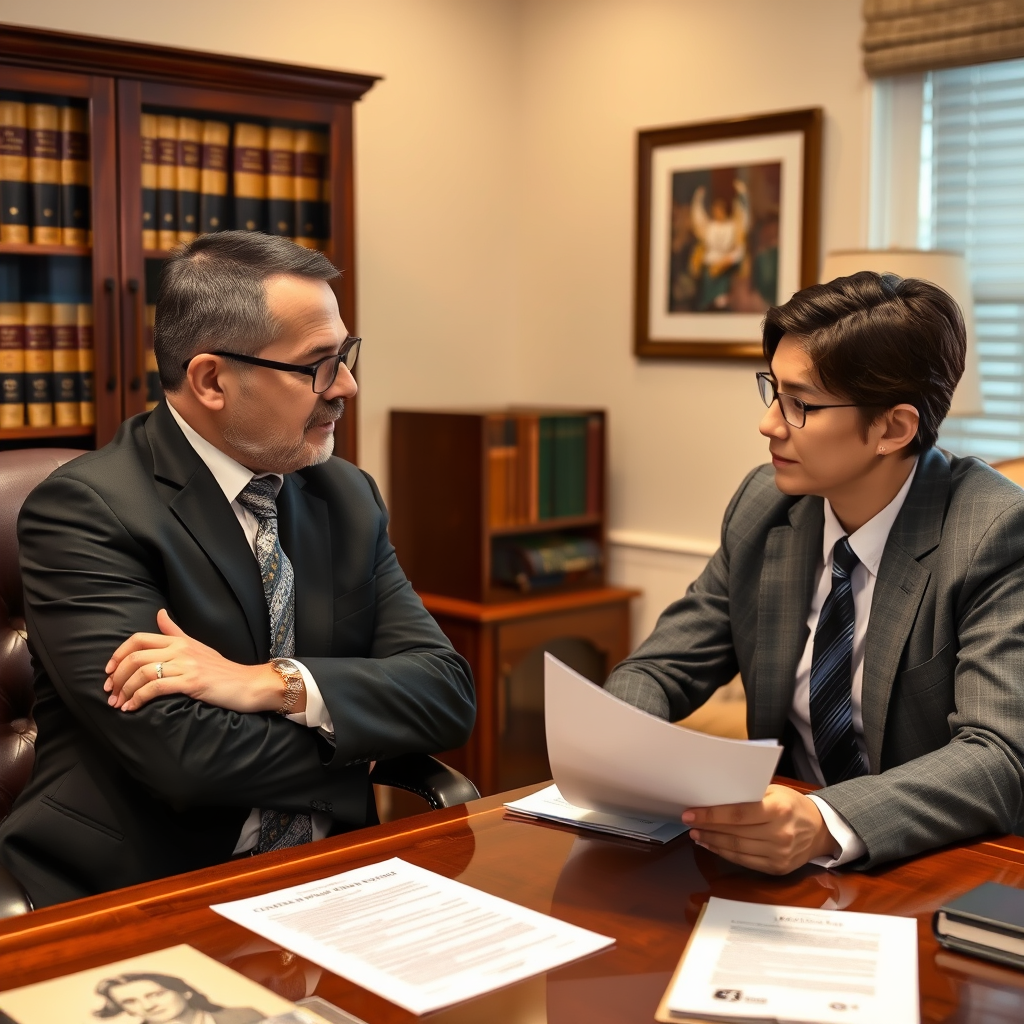
Navigating Contested Divorce in Batavia, NY: Your Legal Path with Law Offices Of SRIS, P.C.
As of December 2025, the following information applies. In New York, a contested divorce involves disagreements between spouses on issues like asset division, child custody, and support. Resolving these disputes often requires court intervention and seasoned legal representation. The Law Offices Of SRIS, P.C. provides dedicated legal defense for these matters in Batavia, NY.
Confirmed by Law Offices Of SRIS, P.C.
What is Contested Divorce in New York?
When spouses in New York can’t agree on one or more crucial aspects of ending their marriage, we call it a contested divorce. This isn’t just about whether you want to get divorced, but about the specific terms of that divorce. Common areas of disagreement include dividing marital property and debt, determining who gets custody of the children and how visitation will work, and deciding on child support and spousal maintenance (often called alimony). Unlike an uncontested divorce where both parties have reached an amicable agreement, a contested divorce means these issues will likely be decided by a judge in court if you can’t reach a settlement through negotiation or mediation.
New York operates under an equitable distribution law, meaning marital assets and debts are divided fairly, though not necessarily 50/50. Understanding what constitutes marital property versus separate property is often a major point of contention. Furthermore, New York is a ‘no-fault’ divorce state, meaning you don’t need to prove fault (like infidelity or cruel and inhuman treatment) to get divorced. You only need to state that the marriage has been ‘irretrievably broken for a period of at least six months.’ However, even with no-fault grounds, the division of assets, custody, and support still needs to be resolved, and that’s where the contest truly begins. It’s a process that can feel overwhelming, emotionally draining, and financially daunting, making experienced legal guidance indispensable.
Takeaway Summary: A contested divorce in New York means you and your spouse can’t agree on key terms, requiring court intervention to reach a resolution. (Confirmed by Law Offices Of SRIS, P.C.)
How to Approach a Contested Divorce in Batavia, NY
Facing a contested divorce is rarely simple, but understanding the general steps can bring some clarity. While every case is unique, the process in Batavia, NY, generally follows a structured path. Having seasoned legal counsel by your side can make all the difference in protecting your interests and guiding you through each stage effectively. The first step often involves gathering necessary documentation, such as financial records and any relevant communications, which will be crucial in negotiations. Consulting a contested divorce attorney in Beacon can provide you with tailored advice specific to your situation, ensuring that you are well-prepared for court proceedings if they become necessary. They can also help you navigate the emotional complexities of a contested divorce, allowing you to focus on moving forward positively.
-
Seek a Confidential Case Review
The very first step you should take is to sit down with a knowledgeable attorney for a confidential case review. This initial meeting isn’t just about paperwork; it’s about understanding your rights, your options, and what the path ahead might look like. Your attorney will listen to your story, assess your specific situation, and help you understand the legal landscape. This early strategic planning is absolutely vital. It sets the foundation for how your case will proceed, and allows you to make informed decisions about your future, rather than reacting in crisis.
-
File Your Divorce Petition (or Respond to One)
Formally initiating the divorce process involves filing a Summons with Notice or a Summons and Verified Complaint with the court. This document outlines your request for a divorce and may state the grounds upon which you are seeking it. If your spouse has already filed, your attorney will help you prepare and file a response, ensuring your side of the story and your specific requests are properly presented to the court. This initial legal volley officially opens your case with the New York legal system.
-
The Discovery Process
Discovery is the phase where both parties exchange information relevant to the divorce. This is often the most detailed and sometimes contentious part of a contested divorce. It involves a thorough investigation of financial records, including bank statements, tax returns, pay stubs, retirement accounts, business valuations, and property appraisals. Your attorney will help you gather and disclose all necessary documents, as well as request information from your spouse. Tools like interrogatories (written questions), requests for documents, and depositions (out-of-court sworn testimonies) are used to ensure full transparency regarding assets, debts, and income. Blunt Truth: Hiding assets or income during discovery is a serious legal misstep and can have severe consequences, including fines and unfavorable rulings.
-
Negotiation and Mediation Efforts
Even in a contested divorce, reaching a settlement outside of a courtroom is often the preferred outcome, saving time, money, and emotional stress. Your attorneys will engage in negotiations, attempting to find common ground and craft a mutually agreeable divorce settlement agreement. Mediation may also be employed, where a neutral third party facilitates discussions between you and your spouse to help you reach resolutions on outstanding issues. These efforts are designed to empower you to maintain some control over the outcome, rather than leaving it entirely in a judge’s hands.
-
Temporary Orders
During the divorce process, it’s common for the court to issue temporary orders. These orders address immediate concerns such as temporary child custody and visitation schedules, temporary child support payments, temporary spousal maintenance, and who will occupy the marital home or have access to certain assets. These orders are not permanent but are put in place to maintain stability and fairness until a final divorce judgment is issued. They ensure that daily life can continue with some structure while the broader divorce issues are being resolved.
-
Pre-Trial Conferences and Litigation
If negotiation and mediation fail to resolve all issues, your case will proceed towards litigation. This involves pre-trial conferences with the judge, where attempts at settlement are often renewed, and the court reviews the progress of the case. If no settlement is reached, the case moves to trial. During the trial, both sides present their arguments, introduce evidence, and call witnesses. A judge will then weigh all the information presented and make binding decisions on all contested issues, which will form the basis of your final divorce decree.
-
Final Judgment of Divorce
Once all issues are resolved, either through settlement or a judge’s ruling, the court issues a Final Judgment of Divorce. This is the official document that legally dissolves your marriage and outlines all the terms and conditions agreed upon or ordered, including property division, custody, support, and other specific directives. This judgment is a legally binding order, and both parties must comply with its terms. It signifies the legal end of the marriage and provides a new legal framework for both individuals moving forward.
-
Post-Judgment Modifications
Life circumstances change, and sometimes the terms of a final divorce judgment may need to be modified. While the division of marital property is generally permanent, aspects like child custody, visitation, child support, and spousal maintenance can often be modified if there has been a significant change in circumstances. For instance, a job loss, a substantial income change, or a child’s changing needs can warrant a petition to the court for modification. Your legal team can help assess if your situation meets the criteria for such a change and guide you through that process.
Protecting Your Future and Assets in a Contested Divorce
One of the deepest fears during a contested divorce, especially in Batavia, NY, is the worry of losing what you’ve worked so hard for – your financial stability, your home, your retirement. It’s a very real concern, and it’s why protecting your assets is often at the forefront of anyone going through this challenging time. New York’s equitable distribution laws mean that marital property is divided fairly, but ‘fairly’ doesn’t always mean equally, and certainly doesn’t mean without a fight when disputes arise. Understanding how to identify, value, and argue for your rightful share is incredibly important.
Your assets aren’t just cash in the bank. They encompass a wide range of things: the family home, vacation properties, retirement accounts like 401(k)s and IRAs, investments, jointly owned businesses, vehicles, and even significant personal property like art or jewelry. On the flip side, marital debts – mortgages, credit card balances, personal loans – also need to be equitably distributed. The process demands meticulous financial disclosure from both parties, and any attempts to hide assets or undervalue them can lead to serious legal repercussions. That’s why having a keen eye for financial detail can be a game-changer.
Mr. Sris, the founder and principal attorney at Law Offices Of SRIS, P.C., brings a unique advantage to these situations. He insightfully states, “I find my background in accounting and information management provides a unique advantage when handling the intricate financial and technological aspects inherent in many modern legal cases.” This isn’t just a statement; it’s a strategic approach. In a contested divorce, where emotions can cloud judgment and financial records can be complex, Mr. Sris’s background allows for a more rigorous examination of financial documents. This means a more thorough discovery process, a stronger ability to identify potentially hidden assets, and a more precise valuation of marital property and businesses.
Think of it this way: someone with a deep understanding of financial structures can better analyze complex spreadsheets, understand business valuations, and trace assets that might have been moved or concealed. This forensic approach can uncover critical information that directly impacts the equitable distribution of your marital estate. Whether it’s unraveling a tangled business ownership, dissecting investment portfolios, or ensuring all income sources are accounted for, this level of financial acumen provides a significant edge. Your future security often hinges on the precise handling of these financial intricacies, making knowledgeable legal representation with a strong financial foundation incredibly valuable.
Why Trust Law Offices Of SRIS, P.C. with Your Contested Divorce in Batavia, NY?
When you’re facing a contested divorce, the attorney you choose can profoundly impact your outcome and your peace of mind. At Law Offices Of SRIS, P.C., we understand the emotional and financial strain you’re under. Our approach is rooted in relatable authority – we’re here to give you direct, honest answers while providing the empathetic support you need to navigate this journey. Our experienced team is dedicated to guiding you through every step of the process, ensuring that your rights are protected and your voice is heard. With a focus on alleviating your concerns, we provide Allegany County contested divorce support tailored to your unique situation. Together, we will work towards achieving a resolution that aligns with your goals and instills confidence for the future. We are committed to ensuring that you feel empowered throughout this process, and we will stand by your side to address any questions or concerns that arise. If you find yourself searching for a contested divorce attorney Middletown NY, look no further; we are ready to provide the guidance and support necessary to facilitate a smoother transition. Our goal is to help you achieve a fair outcome while prioritizing your well-being and future stability.
Mr. Sris, the visionary behind Law Offices Of SRIS, P.C., has been at the helm since 1997, dedicating his career to representing individuals in the most challenging criminal and family law matters. His profound commitment is reflected in his own words: “My focus since founding the firm in 1997 has always been directed towards personally handling the most challenging and complex criminal and family law matters our clients face.” This dedication means you’re not just another case file; you’re an individual with a unique story and critical needs.
Beyond his extensive courtroom experience, Mr. Sris’s unique background in accounting and information management offers a strategic advantage, particularly in contested divorces involving significant assets or complex financial situations. As he notes, “I find my background in accounting and information management provides a unique advantage when handling the intricate financial and technological aspects inherent in many modern legal cases.” This insight is invaluable when it comes to meticulously reviewing financial disclosures, valuing businesses, and tracing assets that might otherwise be overlooked. This means we are well-equipped to fight for your financial future with precision and a deep understanding of the numbers.
We believe in a proactive and client-centered approach. Our team is dedicated to safeguarding your rights, ensuring that your voice is heard, and tirelessly working towards the best possible resolution for your family and your financial well-being. From detailed settlement negotiations to assertive courtroom representation, we are committed to providing robust advocacy every step of the way.
For residents of Batavia, NY, seeking experienced legal counsel for a contested divorce, Law Offices Of SRIS, P.C. has locations in Buffalo, serving your local community. We are ready to provide the dedicated support and strategic representation you need: Our team is well-versed in the complexities of family law, ensuring that your interests are protected every step of the way. If you’re facing unique challenges, such as custody issues or property division, our international divorce lawyer Batavia NY is equipped to handle cases that cross borders, providing expert advice tailored to your situation. Trust us to guide you through this difficult process with the skill and compassion you deserve.
- Address: 50 Fountain Plaza, Suite 1400, Office No. 142,Buffalo,NY,14202,US
- Phone: +1-838-292-0003
Don’t face the complexities of a contested divorce alone. Let our seasoned team guide you towards a clearer future. Call now for a confidential case review.
Frequently Asked Questions About Contested Divorce in New York
- How long does a contested divorce take in New York?
- The duration of a contested divorce in New York varies significantly, from several months to a few years. Factors like the complexity of financial assets, the level of spousal cooperation, and court schedules all play a role. A dedicated attorney works to expedite the process while protecting your interests.
- What are the grounds for divorce in New York?
- New York is primarily a no-fault divorce state, meaning you can file if your marriage has been “irretrievably broken for a period of at least six months.” While fault grounds still exist, the no-fault option is most commonly utilized for a straightforward legal basis for separation.
- Is New York a 50/50 divorce state?
- No, New York is an equitable distribution state, not a 50/50 state. This means marital assets and debts are divided fairly, but not necessarily equally. The court considers various factors to ensure a just outcome, including each spouse’s contributions to the marriage.
- How is child custody decided in a contested divorce?
- In a contested divorce, child custody in New York is determined by what the court deems to be in the child’s best interests. This involves evaluating factors like parental fitness, stability of the home environment, and the child’s wishes (if old enough to express them). Both physical and legal custody are considered.
- Will I have to go to court for a contested divorce?
- Not necessarily. While a contested divorce means issues are unresolved, many cases are settled through negotiation, mediation, or arbitration before reaching a full trial. Your attorney will work towards an out-of-court resolution, but preparation for court is always prudent.
- What is spousal maintenance (alimony) in New York?
- Spousal maintenance, or alimony, is financial support paid by one spouse to the other after a divorce. New York law provides advisory guidelines for calculating maintenance, considering factors like income, duration of marriage, and future earning capacities to ensure fair support.
- Can prenuptial agreements affect a contested divorce?
- Yes, prenuptial agreements can significantly impact a contested divorce in New York. If valid and enforceable, they can dictate how assets, debts, and spousal maintenance are handled, potentially simplifying or eliminating disputes over those specific issues. Their terms are legally binding.
- What if my spouse hides assets?
- Hiding assets during a divorce is a serious offense in New York. Your attorney can utilize discovery tools, including subpoenas and forensic accounting, to uncover hidden assets. If proven, the court may impose penalties, including an unequal division of property in your favor.
- Can I get divorced if my spouse lives out of state?
- You can still pursue a divorce in New York if your spouse lives out of state, provided New York has jurisdiction over the marriage. This typically requires you or your spouse to meet specific residency requirements in the state. An attorney can confirm your eligibility.
- How much does a contested divorce cost?
- The cost of a contested divorce varies greatly based on its complexity, the degree of conflict, and the amount of legal work required. Factors like discovery, court appearances, and expert witness fees contribute to expenses. A confidential case review can provide a more personalized estimate.
The Law Offices Of SRIS, P.C. has locations in Virginia in Fairfax, Loudoun, Arlington, Shenandoah and Richmond. In Maryland, our location is in Rockville. In New York, we have a location in Buffalo. In New Jersey, we have a location in Tinton Falls.
Past results do not predict future outcomes.