

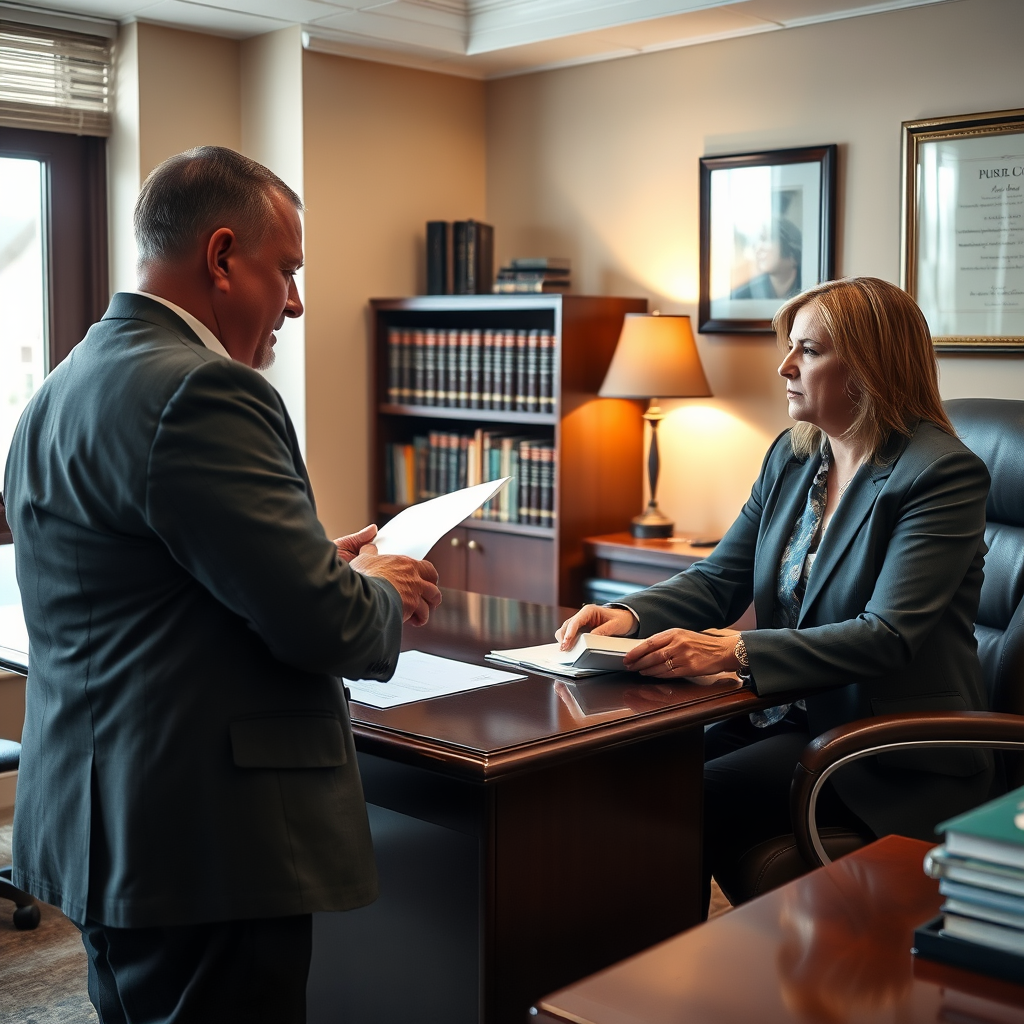
Military Divorce Lawyer Auburn, NY: Understanding Your Rights in Service
As of December 2025, the following information applies. In New York, military divorce involves specific federal and state laws regarding property division, child custody, and support. These matters often differ significantly from civilian divorces. Understanding your rights and obligations is essential for service members and their spouses. The Law Offices Of SRIS, P.C. provides dedicated legal defense for these matters.
Confirmed by Law Offices Of SRIS, P.C.
What is Military Divorce in New York?
Military divorce in New York isn’t just a regular divorce; it’s a specific area of family law where federal statutes like the Servicemembers Civil Relief Act (SCRA) and the Uniformed Services Former Spouses’ Protection Act (USFSPA) intersect with New York’s domestic relations laws. This means issues such as dividing military pensions, establishing child custody for deployed parents, and calculating support based on unique military income are approached differently. The SCRA might delay proceedings for deployed service members, ensuring they aren’t disadvantaged, while the USFSPA directly impacts how military retired pay is divided. This distinct legal framework means that what might seem simple in a civilian divorce becomes much more intricate for military families.
Takeaway Summary: Military divorce in New York combines state and federal laws, uniquely affecting property, custody, and support for service members and their families. (Confirmed by Law Offices Of SRIS, P.C.)
How to Approach a Military Divorce in Auburn, NY?
Dealing with a military divorce in Auburn, NY, requires a clear, strategic approach. It’s not just about standard divorce procedures; it’s about understanding a system that blends state and federal regulations unique to military life. Here’s how you generally proceed, highlighting the differences that make military divorces stand out:
-
Determining Jurisdiction: Where to File?
First, pinpoint the correct court. For military personnel, jurisdiction can be complex. You might file where the service member is stationed, holds legal residency, or where the spouse lives. New York has specific residency requirements. Getting this step right is essential; improper jurisdiction can cause delays or dismissal, requiring you to restart. This decision ensures the court has authority over your marriage and benefits.
-
Initiating the Case: Filing and Service of Process
Once jurisdiction is confirmed, one party files documents with the New York Supreme Court. The other party must then be formally served. For active-duty service members, the Servicemembers Civil Relief Act (SCRA) is key, allowing a stay of proceedings while deployed or for a period after return. This protects them from default judgments. Correctly serving a deployed service member requires strict adherence to both New York and federal rules.
-
Child Custody and Visitation for Military Parents
Child custody in military divorces is challenging due to deployments and reassignments. New York courts prioritize the child’s best interests. Military parents need “deployment clauses” in agreements detailing temporary care arrangements and visitation schedules for when a parent is deployed, ensuring child stability. Such agreements must be flexible yet robust, protecting the child’s well-being while respecting the military parent’s service.
-
Dividing Marital Assets, Especially Military Pensions
Property division in a New York military divorce follows equitable distribution. Military pensions are a major distinguishing factor. The Uniformed Services Former Spouses’ Protection Act (USFSPA) permits state courts to treat military retired pay as marital property. For direct DFAS payment to a former spouse, marriage must overlap with service for at least 10 years (“10/10 Rule”). Even without this, the court can divide the pension, with the service member making direct payments. Understanding this federal law is paramount.
-
Spousal and Child Support: Calculating Military Income
Calculating spousal and child support for military families requires considering all forms of military income, including base pay, Basic Allowance for Housing (BAH), Basic Allowance for Subsistence (BAS), and other special pays. While some allowances might not be taxed, they are still considered income for support calculations. Accurately assessing a service member’s true financial capacity is essential, as their pay structure differs significantly from civilian employment. Precise analysis avoids long-term financial consequences.
-
Finalizing the Divorce and Post-Judgment Concerns
Once issues are settled, the court issues a Judgment of Divorce. For military divorces, this might involve additional steps, such as submitting specific court orders to DFAS. Even after judgment, modifications to child custody or support are common, especially with military reassignments or financial changes. Divorce decrees aren’t always static; life evolves, and legal arrangements often need to adapt. Staying prepared for these potential adjustments ensures ongoing compliance and fairness.
Blunt Truth: Military divorce isn’t a simple matter. The unique intersection of federal and state laws, coupled with the demands of military service, creates a legal path fraught with potential pitfalls. Attempting to manage it without knowledgeable legal guidance can lead to costly errors affecting your financial future, your benefits, and your connection with your children. Getting it right the first time protects your interests and helps secure a stable path forward.
Can a Military Divorce Affect My Benefits in Auburn, NY?
Yes, a military divorce absolutely can affect your benefits, whether you are the service member or the spouse, and it’s vital to understand these impacts when divorcing in Auburn, NY. Many individuals facing this situation are understandably concerned about what they might lose or gain, and these concerns are well-founded, as the implications extend across various aspects of military life and post-service benefits.
For service members, a primary concern often revolves around the division of their military retired pay. The USFSPA governs how this pension can be treated as marital property. While New York law allows its division, meeting the “10/10 Rule” is what enables direct payment from DFAS to a former spouse. Failing to meet this rule means the court can still divide the pension, but the service member would be personally responsible for making those payments. Beyond pensions, issues like SGLI, VGLI, and participation in the Survivor Benefit Plan (SBP) can be impacted. A court order might require a service member to maintain certain beneficiaries or participate in SBP for a former spouse, carrying specific financial obligations and affecting future planning.
For former spouses, a major concern is often the retention of military healthcare (TRICARE) and commissary/exchange privileges. The “20/20/20 Rule” is critical: if married to the service member for 20 years, with 20 years of creditable service, and 20 years overlap, you generally retain full TRICARE and other benefits. If you meet the “20/20/15 Rule” (married 20 years, service 20 years, 15 years overlap), you might qualify for one year of transitional TRICARE. Falling short of these benchmarks typically means these valuable benefits are lost, a significant financial adjustment. This isn’t just about healthcare; it’s about a comprehensive package of support.
Other impacts include potential housing allowances and relocation assistance, support systems available to military families that often cease post-divorce. Child custody and visitation orders themselves become a “benefit,” ensuring continued parental contact despite the marriage’s dissolution. Court decisions in this area directly influence a parent’s ability to maintain a relationship, particularly when deployment or reassignment is a factor. Every military divorce decision shapes future financial stability and quality of life for both parties and any children. It’s about establishing two independent lives under a unique regulatory framework.
Real-Talk Aside: It’s a common misconception that benefits are either automatically protected or automatically forfeited. What isn’t explicitly addressed and legally formalized in your divorce decree can become a major issue later on. You need precise, legally enforceable orders covering pension division, healthcare, and survivor benefits to protect your long-term interests. Don’t leave these vital aspects to assumptions; seek clear legal guidance.
Why Hire Law Offices Of SRIS, P.C. for Your Military Divorce in Auburn, NY?
When you’re facing a military divorce in Auburn, NY, you need more than a general practice lawyer; you need a knowledgeable advocate who genuinely understands the distinct legal terrain you’re entering. At the Law Offices Of SRIS, P.C., we recognize that these are not typical divorce cases. They demand a nuanced approach that considers both New York state law and the intricate federal regulations governing military families. Our experienced team is equipped to navigate the complexities of military divorce, ensuring that your rights and interests are protected throughout the process. Additionally, we offer comprehensive post divorce legal assistance auburn to address any ongoing concerns related to custody, support, and equitable distribution. Trust us to provide the support you need during this challenging time, from start to finish.
Mr. Sris, our firm’s founder, brings extensive dedication and insight to every case. He states, “My focus since founding the firm in 1997 has always been directed towards personally handling the most challenging and complex criminal and family law matters our clients face.” This profound commitment to managing difficult cases, coupled with his vast experience, means you have a seasoned attorney on your side prepared to tackle intricate legal challenges. His approach goes beyond legal theory; it involves applying practical, real-world strategies to protect your interests and secure the best possible outcome for you and your family.
We understand the immense emotional toll a divorce takes, especially one complicated by military service. The frequent uncertainty, deployments, and unique financial structures all contribute to significant stress. Our team provides empathetic, direct, and reassuring counsel, guiding you through each step with clarity. We aim to demystify legal jargon, explaining everything in an understandable way so you can make informed decisions about your future. Our goal is to ease your burden, allowing you to concentrate on rebuilding your life while we expertly manage the legal intricacies.
The Law Offices Of SRIS, P.C. has earned a reputation for thoroughness and a proactive stance in family law. We thoroughly examine the specifics of your military service, your spouse’s situation, and all applicable federal and state laws to construct a robust legal strategy. Whether it involves precisely calculating military retired pay for division, drafting deployment-friendly custody agreements, or ensuring proper legal service under the SCRA, we are committed to upholding your rights and securing your future. We don’t just process cases; we diligently work to comprehend your unique circumstances and advocate fiercely on your behalf, recognizing that every detail can significantly impact the outcome of a military divorce.
Choosing Law Offices Of SRIS, P.C. means selecting a firm that values personalized attention and strong representation. We acknowledge the profound impact a military divorce has on your life, from your financial stability to your relationship with your children. Our knowledgeable team is well-equipped to address the specific challenges that arise, from USFSPA intricacies to managing the unique scheduling demands of military parents. We offer a confidential case review, providing a secure environment to discuss your concerns and explore legal options without pressure. Our commitment is to provide clarity, strategic guidance, and steadfast support during what can be a profoundly difficult period, ensuring your rights are protected and you can move forward confidently.
The Law Offices Of SRIS, P.C. has locations in Virginia in Fairfax, Loudoun, Arlington, Shenandoah and Richmond. In Maryland, our location is in Rockville. In New York, we have a location in Buffalo. While our Buffalo location serves clients across New York, we leverage our deep understanding of the state’s legal terrain to provide effective representation for your military divorce in Auburn, NY. Our commitment is to serve military families throughout the state, ensuring you have access to dedicated and experienced legal support. In New Jersey, we have a location in Tinton Falls.
Call now for a confidential case review to discuss your military divorce in Auburn, NY. Don’t face this challenging time alone; let the Law Offices Of SRIS, P.C. stand with you.
Frequently Asked Questions About Military Divorce in Auburn, NY
Q: How does the Servicemembers Civil Relief Act (SCRA) affect my divorce in Auburn, NY?
A: The SCRA allows active-duty service members to postpone civil proceedings, including divorce, while deployed or for a period after return. This protects them from default judgments when they cannot appear due to military obligations, ensuring fairness in court. It’s an important protection for military personnel. (45 words)
Q: What is the “10/10 Rule” regarding military pensions in a New York divorce?
A: The “10/10 Rule” under the USFSPA means if a marriage overlapped with military service for at least 10 years, DFAS can directly pay a portion of the service member’s retired pay to the former spouse. This simplifies payment enforcement considerably. (45 words)
Q: Can I get TRICARE benefits after a military divorce in Auburn, NY?
A: Eligibility for TRICARE post-divorce depends on the “20/20/20 Rule” or “20/20/15 Rule.” The 20/20/20 rule grants full benefits; the 20/20/15 rule grants one year of transitional benefits. Meeting these criteria is key for continued healthcare coverage. (45 words)
Q: How is child custody handled when a military parent is deployed from Auburn, NY?
A: New York courts prioritize the child’s best interests and often include “deployment clauses” in custody agreements. These clauses outline temporary care arrangements and visitation adjustments during a military parent’s deployment, ensuring stability for the child. (45 words)
Q: Is Basic Allowance for Housing (BAH) considered income for support calculations in New York military divorces?
A: Yes, BAH and other military allowances (like BAS) are generally considered income for calculating child and spousal support in New York, even though they may be untaxed. Accurately assessing all forms of military pay is important. (45 words)
Q: How do New York courts divide military retirement pay in a divorce?
A: New York courts treat military retired pay as marital property subject to equitable distribution under the USFSPA. The actual division depends on the length of marriage, service, and other marital assets. It’s not necessarily a 50/50 split, aiming for fairness. (45 words)
Q: What if my spouse is deployed and I want to file for divorce in Auburn, NY?
A: You can file, but the SCRA allows your deployed spouse to request a stay of proceedings. This pauses the divorce until their return or for a specific period after deployment. Proper legal service is crucial. This ensures they aren’t disadvantaged while serving. (45 words)
Q: Are there specific residency requirements for military divorces in New York?
A: Yes, New York has residency requirements. Generally, one party must have resided continuously in the state for a set period before filing. For military families, proving residency can involve unique considerations due to frequent relocations and changing duty stations. (45 words)
Q: Can a military divorce decree be modified later in New York?
A: Yes, certain aspects of a military divorce decree, particularly child custody, visitation, and support orders, can often be modified in New York. This is possible if there’s a substantial change in circumstances, common due to military reassignments or income changes. (45 words)
Q: What’s the difference between a civilian divorce and a military divorce in Auburn, NY?
A: The main differences lie in applying federal laws (SCRA, USFSPA) affecting jurisdiction, service, property division (pensions), and benefits (TRICARE). Civilian divorces lack these federal layers, making military divorces more intricate and specific. (45 words)
The Law Offices Of SRIS, P.C. has locations in Virginia in Fairfax, Loudoun, Arlington, Shenandoah and Richmond. In Maryland, our location is in Rockville. In New York, we have a location in Buffalo. While our Buffalo location serves clients across New York, we leverage our deep understanding of the state’s legal terrain to provide effective representation for your military divorce in Auburn, NY. Our commitment is to serve military families throughout the state, ensuring you have access to dedicated and experienced legal support. In New Jersey, we have a location in Tinton Falls.
Past results do not predict future outcomes.