

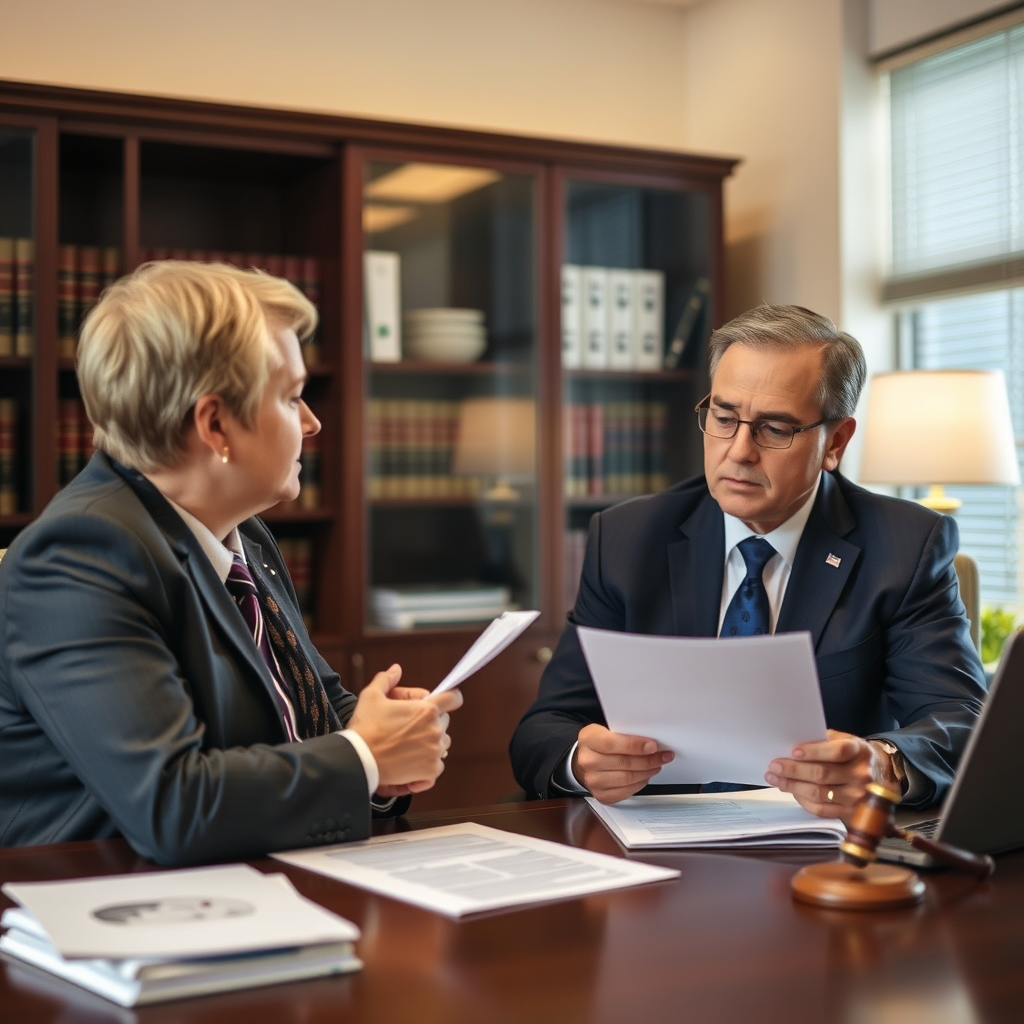
Schenectady NY Divorce Lawyer: Your Dedicated Advocate When Life Changes
As of December 2025, the following information applies. In New York, divorce involves the legal dissolution of a marriage, addressing matters like asset division, child custody, and support. The Law Offices Of SRIS, P.C. provides dedicated legal representation for these matters, offering compassionate and clear guidance through the process.
Confirmed by Law Offices Of SRIS, P.C.
What is Divorce in New York?
Divorce in New York, officially known as “dissolution of marriage,” is the legal process that ends a marital union. It’s more than just a piece of paper; it’s about legally untying two lives, addressing how assets and debts accumulated during the marriage will be divided, determining child custody and visitation arrangements, and establishing spousal and child support. New York is a “no-fault” divorce state, meaning you can seek a divorce if your marriage has been “irretrievably broken for a period of at least six months.” This means you don’t have to prove fault like adultery or abandonment, which can simplify the initial filing but doesn’t make the rest of the process easy. Whether it’s agreeing on who gets the house, figuring out a fair child visitation schedule, or ensuring financial stability post-separation, each step requires careful consideration. It’s a transition that can feel overwhelming, but understanding the basics is your first step towards moving forward. The implications extend far beyond the immediate legal outcomes, affecting your housing, finances, and relationships with your children. That’s why a comprehensive approach is vital, ensuring long-term stability.
Takeaway Summary: Divorce in New York legally ends a marriage, addressing property, custody, and support, and can proceed on a no-fault basis when the marriage is irretrievably broken. (Confirmed by Law Offices Of SRIS, P.C.)
How to Get a Divorce in Schenectady, NY: A Step-by-Step Guide
The process of obtaining a divorce in Schenectady, NY, follows a structured path through the New York court system. It’s not simply a matter of wishing for it to be over; there are specific legal requirements and procedures you’ll need to follow. Understanding these steps can help demystify what often feels like an intimidating journey. From the initial filing to the final judgment, each phase plays a vital role in legally dissolving your marriage and establishing new terms for your future.
-
Meet Residency Requirements: Before you can file for divorce in New York, either you or your spouse must meet specific residency requirements. Generally, this means one of you has lived in New York State continuously for at least two years, or for at least one year and the marriage took place in New York, or both parties resided in the state as husband and wife, or the grounds for divorce occurred in New York. Confirming this is the very first legal hurdle you’ll face.
-
Establish Grounds for Divorce: New York offers both “no-fault” and “fault” grounds for divorce. The most common and generally simplest ground is “irretrievable breakdown of the marriage for a period of at least six months.” This means the marriage cannot be saved. Fault grounds, while less common today, include cruel and inhuman treatment, abandonment, imprisonment, and adultery. Your Schenectady divorce attorney can help you determine the most appropriate grounds for your situation, often advising the no-fault route to streamline the process and reduce unnecessary conflict.
-
File and Serve the Summons with Notice or Summons and Verified Complaint: To initiate the divorce action, one spouse (the plaintiff) files legal papers with the Supreme Court in the county where either party resides – in your case, potentially Schenectady County. These papers, either a Summons with Notice or a Summons and Verified Complaint, formally notify the other spouse (the defendant) that a divorce action has been started. Proper service of these documents is absolutely essential to ensure the court has jurisdiction over the defendant and that your case can move forward legally. This isn’t a step to take lightly; incorrect service can delay everything.
-
Negotiate a Separation Agreement (if applicable) or Proceed to Discovery: If you and your spouse can agree on all terms of your divorce – including property division, debt allocation, child custody, visitation, child support, and spousal maintenance – you can draft and sign a Separation Agreement. This agreement, once finalized, can be incorporated into the final divorce judgment. If an agreement isn’t possible, the “discovery” phase begins. During discovery, both sides exchange financial documents, property records, and other relevant information to ensure full disclosure for equitable distribution and support calculations. This phase can be detailed and demanding, often requiring significant time.
-
Attend Court Hearings and Mediation (if necessary): Throughout the divorce process, you may need to attend various court appearances. These could include preliminary conferences, status conferences, or settlement conferences. In some cases, the court might order mediation to help couples resolve specific disputes, particularly those involving children, outside of the courtroom. While not every case goes to trial, being prepared for court and having strong representation is always wise. A seasoned Schenectady divorce attorney will represent your interests vigorously in all court settings.
-
Obtain the Judgment of Divorce: Once all issues—whether through settlement or court decision—are resolved, your attorney will prepare a Judgment of Divorce. This document is the official court order that legally ends your marriage and sets forth all the terms agreed upon or decided by the court. It covers everything from child custody schedules to property division. After a judge signs it, the judgment is filed with the County Clerk. Only then is your divorce final, and you are legally single again. This final step brings closure and legal clarity to a significant chapter of your life.
Going through these steps requires a clear head and a steady hand. Many people find the legal jargon and procedural requirements overwhelming. That’s why having a knowledgeable Schenectady divorce attorney on your side can make a real difference. They don’t just fill out forms; they guide you, protect your interests, and advocate for your future. Each step is a brick in the foundation of your post-divorce life, and you want those bricks laid correctly.
Can I Keep My Home After Divorce in Schenectady, NY? Addressing Common Fears
One of the most profound fears people face during a divorce is losing their home. “Can I keep my home?” is a question that weighs heavily on the minds of many in Schenectady, NY, especially when children are involved. The short answer is: it’s possible, but it depends on several factors. New York law mandates equitable distribution of marital property, which means all assets acquired during the marriage are subject to fair, though not necessarily equal, division. Your home, often your largest asset, falls squarely into this category.
The court will consider various elements when deciding what happens to the marital residence. These include the length of the marriage, the age and health of each spouse, the income and earning capacity of each spouse, any maintenance awards, and, significantly, whether one parent will be the custodial parent and it’s in the children’s best interest to remain in the home. It’s a balancing act, and there’s no one-size-fits-all answer. For instance, if one spouse has a significantly lower earning capacity or is awarded primary physical custody of the children, the court might be more inclined to award them the marital home, possibly with an offset in other marital assets or through a deferred sale.
Another common fear revolves around financial stability post-divorce. Many worry about how they’ll manage financially, especially if they’ve been out of the workforce or were the primary caregiver for children. This is where spousal maintenance (alimony) and child support come into play. New York has specific guidelines for calculating child support, and while spousal maintenance is more discretionary, there are advisory schedules courts often use. These financial mechanisms are designed to help ensure that both parties can maintain a reasonable standard of living after the divorce, or at least transition effectively. A seasoned Schenectady divorce attorney will vigorously advocate for fair support arrangements, ensuring your financial needs are considered.
Real-Talk Aside: It’s tough to think clearly when you’re worried about your kids or losing your house. But that’s exactly why you need someone who understands the legal specifics in Schenectady to lay out your options. Don’t let fear make your decisions for you.
A Schenectady divorce attorney helps you understand your rights and options regarding your home, finances, and children. They can negotiate a buyout, help you refinance, or explore other creative solutions to help you achieve your goal of remaining in your home or finding a new stable living arrangement. Understanding the law can transform fear into clarity, giving you the hope you need to move forward confidently.
Why Hire Law Offices Of SRIS, P.C. as Your Schenectady Divorce Attorney?
When you’re facing a divorce in Schenectady, NY, you need more than just legal advice; you need a dedicated advocate who understands the personal toll such a process takes. At Law Offices Of SRIS, P.C., we recognize that this isn’t just a legal case—it’s your life, your family, and your future. We offer knowledgeable and seasoned legal representation, grounded in years of experience with New York family law. Our approach is direct, empathetic, and always focused on securing the best possible outcome for you. We don’t shy away from challenging cases; instead, we thrive on the opportunity to achieve positive resolutions for our clients. Whether you are considering an uncontested divorce or navigating a more complex legal battle, having an experienced uncontested divorce attorney in Schenectady by your side can make all the difference. Our team is dedicated to providing compassionate support while skillfully guiding you through each step of the process. We believe that open communication and personalized strategies are key to alleviating your stress and helping you move forward with confidence.
Mr. Sris, our Founder, CEO & Principal Attorney, brings a unique blend of legal prowess and a deep understanding of the intricate issues that often accompany divorce proceedings. He has a steadfast commitment to his clients, stating: “My focus since founding the firm in 1997 has always been directed towards personally representing clients in the most challenging family law matters our clients face.” This personal dedication ensures that your case receives the attention and strategic planning it deserves. Furthermore, Mr. Sris’s background provides a distinct advantage in property division, as he also notes: “I find my background in accounting and information management provides a unique advantage when managing the detailed financial and technological aspects inherent in many modern legal cases.” This means when your divorce involves complex assets, business valuations, or intricate financial portfolios, you have an attorney who can dissect these details with precision.
Choosing Law Offices Of SRIS, P.C. means choosing a firm that puts your needs first. We are prepared to manage the challenging legal process, allowing you to focus on rebuilding your life. From property division to child custody disputes, spousal support to visitation rights, we meticulously prepare your case to advocate for your rights and achieve a favorable resolution. We understand the local legal landscape in Schenectady and the nuances of New York family law, giving you a distinct advantage.
Our location serving Schenectady is:
Law Offices Of SRIS, P.C.
50 Fountain Plaza, Suite 1400, Office No. 142, Buffalo, NY, 14202, US
Phone: +1-838-292-0003
Call now for a confidential case review and let us help you understand this significant life change with confidence.
Frequently Asked Questions About Divorce in Schenectady, NY
-
Q1: What are the grounds for divorce in New York?
A1: New York is primarily a no-fault state. The most common ground is that the marriage has been “irretrievably broken for a period of at least six months.” Fault grounds like cruel treatment, abandonment, or adultery are also available but less frequently pursued. -
Q2: How is marital property divided in a New York divorce?
A2: New York follows the principle of equitable distribution. This means marital property, anything acquired during the marriage, is divided fairly, though not necessarily equally. Factors like marriage length and each spouse’s financial circumstances are considered. -
Q3: How is child custody determined in Schenectady, NY?
A3: Child custody decisions in Schenectady are based on the child’s best interests. Courts consider various factors, including the child’s wishes, each parent’s ability to provide a stable home, and the parents’ willingness to cooperate. Both legal and physical custody are determined. -
Q4: Is spousal support (alimony) always awarded in New York divorce cases?
A4: Spousal support, also known as maintenance, is not always awarded. New York has advisory guidelines, but the court has discretion. Factors like income, earning capacity, and the duration of the marriage influence whether and how much support is granted. -
Q5: How long does a divorce take in Schenectady, NY?
A5: The duration of a divorce in Schenectady varies significantly. An uncontested divorce with a full agreement can be finalized in a few months. Contested divorces involving complex issues like property or custody can take a year or more, depending on court dockets. -
Q6: Do I need a lawyer for an uncontested divorce in New York?
A6: While technically possible to file without a lawyer, it’s strongly advised to have one even for an uncontested divorce. An attorney ensures all paperwork is correctly filed, your rights are protected, and the agreement is legally sound, preventing future disputes. -
Q7: What is the difference between legal and physical custody?
A7: Legal custody refers to a parent’s right to make major decisions about a child’s upbringing, such as education, health, and religious instruction. Physical custody, or residential custody, determines where the child lives primarily. These can be joint or sole. -
Q8: Can a prenuptial agreement impact my divorce in Schenectady?
A8: Yes, a valid prenuptial agreement can significantly impact a divorce. It can dictate how assets are divided, whether spousal support is paid, and other financial matters, often overriding standard equitable distribution laws. Courts generally uphold them if properly executed. -
Q9: What if my spouse refuses to cooperate with the divorce process?
A9: If your spouse is uncooperative, your attorney can employ legal strategies, such as filing motions to compel discovery or requesting court intervention. The court can issue orders to ensure compliance, though this can extend the timeline and increase legal costs. -
Q10: Are mediation and collaborative divorce options in New York?
A10: Yes, both mediation and collaborative divorce are options. Mediation involves a neutral third party helping spouses reach agreements. Collaborative divorce uses a team approach with attorneys committed to an out-of-court settlement, aiming to reduce conflict.
The Law Offices Of SRIS, P.C. has locations in Virginia in Fairfax, Loudoun, Arlington, Shenandoah and Richmond. In Maryland, our location is in Rockville. In New York, we have a location in Buffalo. In New Jersey, we have a location in Tinton Falls.
Past results do not predict future outcomes.