

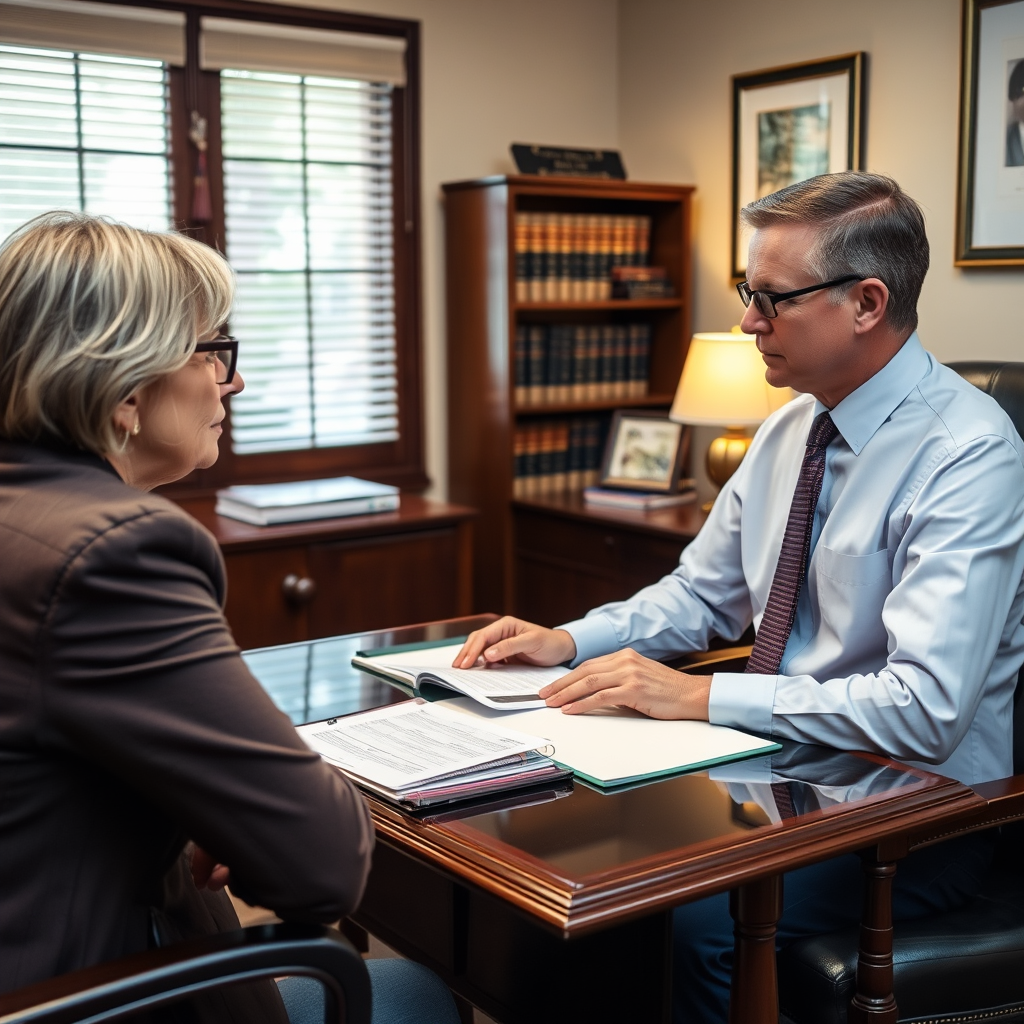
Visitation Lawyer Oneonta, NY | Protecting Your Parental Rights
As of December 2025, the following information applies. In New York, child visitation involves court-ordered schedules ensuring non-custodial parents maintain a relationship with their children, focusing on the child’s best interests. This covers a range of arrangements from supervised visits to extensive parenting time. The Law Offices Of SRIS, P.C. provides dedicated legal defense for these sensitive matters, aiming to secure fair and workable solutions for families in Oneonta, NY.
Confirmed by Law Offices Of SRIS, P.C.
What is Visitation Law in New York?
Child visitation law in New York establishes the legal framework for how a non-custodial parent maintains contact and spends time with their child. It’s more than just seeing your child; it’s about preserving the parent-child bond and ensuring the child’s well-being. When parents separate or divorce, the court steps in to create a visitation schedule if they can’t agree. This schedule dictates specific times for the non-custodial parent, including regular visits, holidays, and extended summer periods. The primary focus of any visitation order is always the child’s best interests, considering factors like their age, health, and emotional needs. It also takes into account the parents’ ability to provide a stable and loving environment. A visitation order is legally binding and is designed to provide consistency and predictability for both the child and parents.
Sometimes, circumstances change, and a visitation order might need modification. This could be due to a parent relocating, a change in work schedules, or new concerns about the child’s safety or well-being. Modifying an existing order requires demonstrating a significant change in circumstances to the court. The court will then re-evaluate the child’s best interests when considering any adjustments to the visitation schedule. These cases often involve emotional considerations, and understanding your rights and responsibilities under New York law is essential. It’s about securing a stable and nurturing environment where your child can thrive, even as family dynamics evolve. The legal process is designed to support the continuity of parental relationships, provided they serve the child’s fundamental needs and stability.
New York courts generally presume that it’s in a child’s best interest to have regular contact with both parents. However, this presumption can be challenged if one parent poses a risk to the child’s physical or emotional safety. In such situations, the court might order supervised visitation, where another adult is present during visits, or even deny visitation rights entirely in extreme cases. These are not decisions taken lightly, and they require substantial evidence to support any claims of harm or risk. The legal system seeks a balance, promoting parental involvement while rigorously safeguarding the child. It’s a delicate dance between maintaining family connections and ensuring protection.
Visitation law also encompasses unique situations, like third-party visitation. Grandparents or other relatives might seek visitation rights if they have a strong, established relationship with the child and can demonstrate that such visitation is in the child’s best interest. These cases are particularly challenging because they often involve overcoming the legal presumption that a fit parent has the right to decide who their child sees. Each visitation case is unique, reflecting the individual circumstances of the family involved. It requires a thoughtful, fact-specific approach to achieve an outcome that truly serves the child, while respecting the legal rights of all parties. It’s never a one-size-fits-all scenario, demanding careful attention to detail and personal circumstances.
Takeaway Summary: New York visitation law ensures non-custodial parents maintain contact with their children through court orders, prioritizing the child’s best interests and stability. (Confirmed by Law Offices Of SRIS, P.C.)
How Do Courts Determine Child Visitation in Oneonta, NY?
When you’re dealing with child visitation in Oneonta, NY, the court’s main objective is straightforward: what’s best for the child? It’s not about what a parent wants or deserves; it’s entirely about the child’s physical and emotional well-being. This can feel frustrating because your desires as a parent might take a back seat. But think about it from the child’s perspective—their stability, routine, and access to both loving parents are the priorities. The court considers a whole host of factors, and it’s rarely a simple calculation. They look at everything that could impact a child’s life, from where they go to school to their relationships with extended family. It’s a comprehensive review, aimed at creating a stable future.
Blunt Truth: The legal system isn’t always quick. These decisions can take time because the court needs to gather all necessary information and weigh every detail carefully. Patience and thorough preparation are key. Rushing the process often leads to oversights that could negatively impact the visitation arrangement down the line. It’s better to be methodical and ensure every stone is turned, rather than pushing for a speedy resolution that might not serve anyone’s long-term interests, especially the child’s. A measured approach ensures a robust and defensible outcome, minimizing future disputes.
Here’s a look at the factors courts consider:
- The Child’s Wishes: Depending on their age and maturity, a child’s preference regarding who they live with and their visitation schedule might be considered. The older and more mature a child is, the more weight their wishes typically carry. It’s not a deciding factor for younger children, but it’s always part of the mosaic.
- Parental Fitness: The court evaluates each parent’s ability to provide a stable, loving, and safe environment. This includes reviewing their mental and physical health, any history of substance abuse or domestic violence, and their overall parenting skills. The court wants to ensure the child is safe and cared for.
- Child’s Needs: This covers the child’s physical, emotional, and educational needs. The court will consider which parent can best meet these needs, including schooling, healthcare, and any special requirements the child might have. Continuity is often favored to maintain stability.
- Relationships with Siblings & Others: The court looks at the child’s relationships with siblings, extended family members, and other significant individuals. Disrupting these bonds can be detrimental to a child’s emotional health, so the court tries to maintain them where possible.
- Home Environment & Stability: The stability of each parent’s home environment is a big factor. The court assesses the living conditions, the general atmosphere of the home, and how consistent each parent can be with routines and discipline. A stable environment is crucial for a child’s development.
- Parental Cooperation: The court will assess how well parents communicate and cooperate with each other regarding the child’s upbringing. Parents who can work together, even if they’re separated, are often seen more favorably. Conflict between parents can negatively impact a child.
- Geographical Proximity: The distance between parents’ homes can influence visitation schedules, especially concerning school and extracurricular activities. The court aims to create a practical schedule that minimizes disruption for the child.
- Child’s Adjustment to Home, School, Community: The court considers how well the child is adjusted to their current home, school, and community. Uprooting a child can be traumatic, so stability in these areas is often prioritized.
- Any History of Domestic Violence or Abuse: Any documented history of domestic violence, child abuse, or neglect will heavily influence the court’s decision, prioritizing the child’s safety above all else.
- Work Schedules & Availability of Parents: The court will consider the parents’ work schedules and their availability to spend time with the child, ensuring that the visitation schedule is practical and allows for meaningful parent-child interaction.
Understanding these factors is the first step in preparing for any visitation case in Oneonta. It’s not about making a case for yourself as a “perfect” parent, but about demonstrating how your proposed visitation arrangement genuinely serves your child’s best interests. This means being honest, providing evidence, and focusing on the child’s needs. A seasoned legal professional can help you present your case effectively, ensuring the court has a full and accurate picture. Every detail matters when it comes to your child’s future and your time with them. The goal is to build a narrative that shows your commitment to their welfare above all else, aligning your requests with judicial priorities. It’s a strategic presentation of facts and intentions.
Real-Talk Aside: This process can feel intrusive. The court will look into your life, your parenting style, and your past. It’s not personal, but it will feel personal. Prepare for that scrutiny and focus on presenting a clear, consistent picture of your dedication to your child. Don’t let emotions cloud your judgment; stick to the facts and how they relate to the child’s welfare. This objective approach is often the most effective in court. The court’s job is to protect the child, and sometimes that means a deep dive into parental conduct. Transparency, supported by evidence, is your strongest ally.
Remember, the court’s decision isn’t set in stone forever. If circumstances change significantly – perhaps a new job with different hours, a move, or a child’s evolving needs – you can petition the court for a modification of the visitation order. This requires demonstrating that the change is substantial enough to warrant a legal review. It’s about adapting to life’s shifts while always keeping the child’s best interests at the forefront. The legal system is designed to be flexible enough to accommodate life’s inevitable changes, ensuring that orders remain relevant and beneficial. It provides a pathway for necessary adjustments as families grow and evolve.
Can I Lose Visitation Rights If I Move Out of Oneonta, NY?
It’s a common and very real fear for parents: what happens to my visitation rights if I need to move? The short answer is, it’s certainly possible to face challenges, but losing your visitation rights entirely just because you relocate isn’t an automatic outcome. New York courts understand that life happens, and people need to move for jobs, family, or other reasons. However, any relocation, especially a significant one that impacts the current visitation schedule, will require court approval and a re-evaluation of the child’s best interests. The court will primarily be concerned with how the move affects the child’s stability, routine, and relationship with the non-relocating parent. It’s a balancing act, weighing your right to move against the child’s right to a consistent relationship with both parents. This isn’t a simple rubber stamp process.
When a parent with visitation rights plans to move a considerable distance from Oneonta, they generally need to notify the other parent and, often, the court. This is known as a relocation request. The court will then hold a hearing to determine if the move and the proposed new visitation schedule are in the child’s best interests. Factors considered include the reasons for the move, the impact on the child’s education and social life, the child’s wishes (if old enough), and how the move will affect the relationship with the non-relocating parent. The court will want to see a plan that minimizes disruption and maintains a strong parental bond, even from a distance. Think about how you’ll facilitate travel, communication, and holiday arrangements. A well-thought-out plan shows the court your commitment to the child’s welfare despite the distance.
Blunt Truth: Moving without court approval when there’s an existing visitation order can lead to serious legal consequences, including being held in contempt of court. It’s vital to follow the proper legal procedures. Don’t assume that just because you have valid reasons for moving, the court will automatically agree. The child’s established routine and relationships are paramount. Disregarding a court order can weaken your position and make it harder to secure the visitation schedule you desire. Always seek legal counsel before making a significant move if a visitation order is in place. Proactive legal steps are your best defense against unintended negative outcomes.
If the move is approved, the court will likely modify the existing visitation order to accommodate the new distance. This might involve longer, less frequent visits, more reliance on video calls, and specific arrangements for transportation costs. The goal is to create a practical and enforceable schedule that ensures the child still gets meaningful time with both parents. Sometimes, the court may even switch physical custody if the move makes the current arrangement untenable and it’s determined to be in the child’s best interest. This underscores the need for thorough preparation and clear communication with your legal team. It’s about adapting the legal framework to life’s realities without sacrificing the child’s core needs. The court focuses on viable, enduring solutions for the child.
The fear of losing visitation rights is a heavy one, and it’s why having knowledgeable legal guidance is so important. An experienced visitation attorney in Oneonta, NY, can help you understand your rights, prepare a strong relocation request, and advocate for a visitation schedule that protects your relationship with your child. They can anticipate potential challenges and help you build a case that demonstrates your commitment to your child’s best interests, regardless of where you live. Don’t let fear paralyze you; take proactive steps to safeguard your parental relationship. The right legal support can make all the difference in achieving a positive outcome, transforming anxiety into a strategic plan. This legal journey benefits from a clear, informed path forward.
Why Hire Law Offices Of SRIS, P.C. for Your Visitation Case in Oneonta, NY?
When your family’s future hangs in the balance, you need more than just legal representation; you need a team that understands the weight of what you’re facing. At Law Offices Of SRIS, P.C., we get it. We know that visitation matters aren’t just legal disputes; they’re deeply personal battles for your child’s well-being and your role in their life. That’s why we bring a blend of seasoned legal acumen and genuine empathy to every case. We’re not just about courtroom victories; we’re about securing a stable, loving future for your family in Oneonta, NY.
Mr. Sris, our founder, brings a profound personal commitment to these challenging family law matters. He shares this insight:
“My focus since founding the firm in 1997 has always been directed towards personally taking on the most challenging and family law matters our clients face.”
This isn’t just a statement; it’s the foundation of our firm’s approach. We believe in direct communication, honest assessments, and a strategic plan tailored to your unique situation. You won’t find us speaking in confusing legal jargon; we’ll explain things in ‘real talk,’ so you’re always informed and empowered to make the best decisions for your family. We understand the emotional toll these cases take, and we’re here to provide reassuring support every step of the way. Our representation extends beyond legal strategy; it encompasses providing clarity and support during a stressful period. We are committed to alleviating your burden.
Choosing Law Offices Of SRIS, P.C. means partnering with a team that has a deep understanding of New York family law and the specific nuances of visitation cases in Oneonta. We work tirelessly to protect your parental rights and advocate for arrangements that truly serve your child’s best interests. We’ll explore every avenue, from negotiation and mediation to aggressive courtroom advocacy, to achieve the most favorable outcome for you and your family. Our firm is prepared to adapt our strategies to meet the unique demands of your case, ensuring comprehensive and dedicated representation. We commit to a thorough and responsive legal approach.
When it comes to your child, you shouldn’t settle for anything less than dedicated representation. We are ready to listen to your story, assess your situation, and develop a robust legal strategy designed to protect what matters most. Don’t navigate these emotionally charged waters alone. Let our knowledgeable team stand by your side, providing the guidance and advocacy you need during this challenging time. Securing your family’s future is our priority, and we approach every case with the seriousness and dedication it deserves. We are prepared to be your steadfast advocates, ensuring your voice is heard.
For confidential assistance with your visitation concerns in Oneonta, NY, please reach out to us:
Law Offices Of SRIS, P.C.
50 Fountain Plaza, Suite 1400, Office No. 142
Buffalo, NY, 14202, US
Phone: +1-838-292-0003
Call now to schedule your confidential case review.
Frequently Asked Questions About Child Visitation in Oneonta, NY
Q1: What is the difference between legal custody and physical custody in New York?
Legal custody refers to a parent’s right to make important decisions about a child’s upbringing, such as education, healthcare, and religious instruction. Physical custody, also known as residential custody, dictates where the child primarily lives. Both can be joint or sole, depending on the child’s best interests and the court’s order in Oneonta, NY.
Q2: Can a child refuse visitation with a parent in New York?
While a child’s wishes are considered, especially as they get older, a child cannot unilaterally refuse a court-ordered visitation. The court will investigate the reasons for the refusal, which might lead to a modification of the order if there are valid concerns or if it is in the child’s best interests.
Q3: What if the other parent violates the visitation order?
If a parent violates a visitation order in Oneonta, NY, you can file a petition for enforcement with the court. The court can order various remedies, including make-up visitation, fines, or even a change in custody if the violations are severe and persistent. It’s important to document all instances of non-compliance.
Q4: How can I modify an existing visitation order in New York?
To modify an existing visitation order, you must demonstrate a substantial change in circumstances since the last order was issued. This could include a change in employment, residence, or the child’s needs. The court will then re-evaluate the child’s best interests when considering the proposed changes to the schedule.
Q5: Is supervised visitation common in Oneonta, NY?
Supervised visitation is ordered when the court has concerns about a parent’s ability to care for the child safely without supervision. It’s not the default but is used in situations involving addiction, domestic violence, or if a parent has been absent from the child’s life for an extended period, ensuring the child’s protection.
Q6: Can grandparents get visitation rights in New York?
Yes, in New York, grandparents can petition for visitation rights. However, they must demonstrate that they have a sufficiently close relationship with the child and that granting visitation is in the child’s best interests. This can be a challenging legal hurdle, as parental rights are highly protected, requiring a compelling argument.
Q7: What is the role of a Guardian Ad Litem (GAL) in visitation cases?
A Guardian Ad Litem (GAL) is an attorney appointed by the court to represent the child’s best interests in a visitation case. The GAL investigates the family situation, interviews parents and children, and makes recommendations to the court, providing an objective perspective focused solely on the child’s welfare.
Q8: How long does a visitation case typically take in Oneonta, NY?
The duration of a visitation case in Oneonta, NY, varies widely depending on the complexity of the issues, the level of parental cooperation, and court schedules. Uncontested cases can be quicker, while highly disputed matters involving multiple hearings or evaluations can take many months to resolve, demanding patience.
Q9: What factors might lead to a denial of visitation rights?
Visitation rights may be denied if a parent poses a significant risk to the child’s safety or well-being, such as documented history of severe child abuse, neglect, substance abuse, or untreated mental health issues that endanger the child. The court’s paramount concern is always the child’s protection from harm, outweighing parental rights.
Q10: Do I need a lawyer for a visitation case in Oneonta, NY?
While you can represent yourself, having an experienced visitation lawyer in Oneonta, NY, is highly recommended. Family law is complex, and a knowledgeable attorney can help you understand your rights, prepare your case, negotiate with the other parent, and advocate effectively in court, significantly improving your chances of a favorable outcome.
The Law Offices Of SRIS, P.C. has locations in Virginia in Fairfax, Loudoun, Arlington, Shenandoah and Richmond. In Maryland, our location is in Rockville. In New York, we have a location in Buffalo. In New Jersey, we have a location in Tinton Falls.
Past results do not predict future outcomes.