

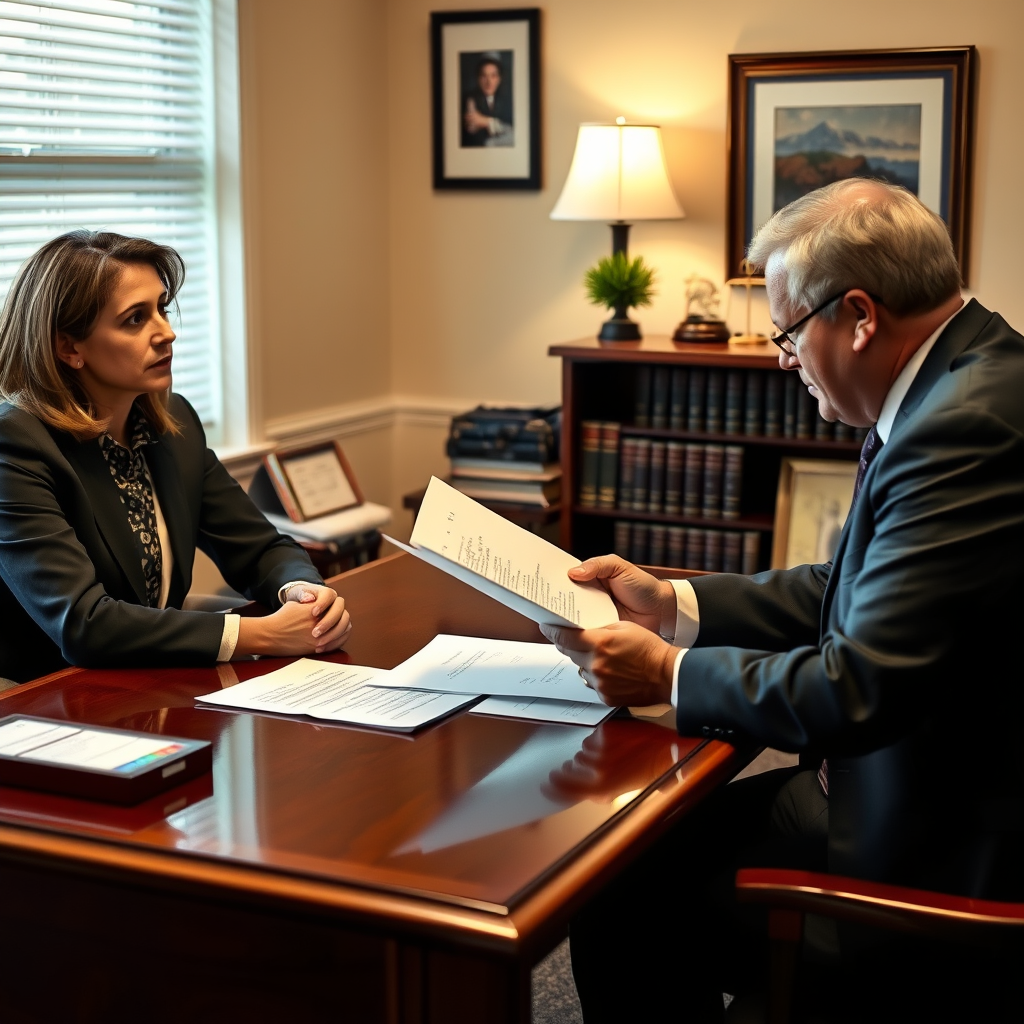
Child Support Attorney Rensselaer County, NY: Securing Your Child’s Future
As of December 2025, the following information applies. In New York, child support involves financial payments from one parent to another to cover a child’s needs. These obligations are determined by state guidelines, considering parental income and custody arrangements. The Law Offices Of SRIS, P.C. provides dedicated legal defense for these matters in Rensselaer County, NY.
Confirmed by Law Offices Of SRIS, P.C.
What is Child Support in New York?
Child support in New York isn’t about punishing one parent or rewarding another; it’s about making sure your children have what they need to thrive. Simply put, it’s a financial obligation that helps cover the costs of raising a child after parents separate or divorce. This includes essentials like food, clothing, and shelter, as well as healthcare, education, and childcare expenses. In New York, these payments are typically made by the non-custodial parent to the custodial parent, though arrangements can vary based on custody schedules and each parent’s income.
The system is designed to provide for a child’s well-being and maintain a standard of living as close as possible to what they would have experienced if their parents remained together. It’s calculated using specific guidelines outlined in the New York Domestic Relations Law and Family Court Act, which take into account factors like gross parental income, the number of children needing support, and certain deductions. Special circumstances can also influence the final order, making it seem like a puzzle sometimes. That’s where having clear guidance really helps.
Many parents worry about whether the amount will be fair or how long it will last. Generally, child support in New York continues until a child turns 21, or earlier if they become emancipated (like getting married, joining the military, or becoming financially independent). However, there are exceptions, particularly if a child has special needs or attends college, which can extend or alter support obligations. Understanding these basics is the first step in protecting your child’s financial future and your own.
Takeaway Summary: Child support in New York is a legal obligation ensuring financial provision for children’s needs, calculated based on state guidelines and parental income. (Confirmed by Law Offices Of SRIS, P.C.) Parents seeking to navigate the complexities of child support arrangements may benefit from professional guidance. Engaging child support legal assistance Schuyler County can ensure that both parties understand their rights and responsibilities, helping to facilitate a fair agreement. It is crucial to keep the child’s best interests at the forefront during these discussions.
How to Establish or Modify a Child Support Order in Rensselaer County, NY?
Establishing or modifying a child support order in Rensselaer County, NY, can feel like a daunting task, but it’s a structured legal process designed to ensure children receive the financial backing they deserve. Whether you’re seeking an initial order or need to adjust an existing one, knowing the steps can provide some peace of mind. Here’s a general overview of how it works:
-
Initiate the Petition:
The process usually starts by filing a petition for child support with the Rensselaer County Family Court. This document officially asks the court to establish or change a support order. You’ll need to provide details about both parents and the children involved. It’s essential to complete this accurately, as errors can cause delays. Sometimes, the Department of Social Services (DSS) might initiate this if a parent is receiving public assistance.
-
Serve the Other Parent:
Once the petition is filed, the other parent must be legally notified, a process called “service.” This ensures they are aware of the legal action and have an opportunity to respond. New York law has strict rules about proper service, so it’s important to get this right. Improper service can lead to the case being delayed or even dismissed, meaning you’d have to start over.
-
Financial Disclosure:
Both parents will be required to provide full and honest financial disclosures. This includes submitting documents like pay stubs, tax returns, bank statements, and other financial records. The court uses this information to determine each parent’s income and assets, which are critical for calculating child support according to New York’s Child Support Standards Act (CSSA) guidelines. Transparency here is not just a legal requirement; it helps ensure a fair outcome.
-
Attend Court Hearings:
Your case will proceed to court hearings, often before a Support Magistrate. These hearings are where evidence is presented, arguments are made, and the financial disclosures are reviewed. The Support Magistrate will apply the CSSA formula to determine a presumptive amount of child support. There might be discussions about specific child-related expenses, such as healthcare, childcare, or educational costs, which can be added to the basic support amount. It’s a good idea to come prepared with any relevant documentation.
-
Receive the Order:
After reviewing all information, the Support Magistrate will issue a child support order. This legally binding document outlines the amount of support, the frequency of payments, and often includes provisions for health insurance and unreimbursed medical expenses. It might also address other related issues. This order must be followed, and non-compliance can lead to enforcement actions.
-
Understanding Modifications:
Life changes, and so can financial situations or custody arrangements. If there’s been a significant change in circumstances – such as a substantial change in either parent’s income, a change in the child’s needs, or three years have passed since the order was entered or last modified – you can petition the court to modify an existing child support order. The process for modification mirrors the initial establishment, requiring new financial disclosures and court review. It’s not a simple request; you need to show the court why a change is justified.
Going through these steps without legal representation can be overwhelming. Each stage has its own rules and potential pitfalls. Having a knowledgeable Rensselaer County child support lawyer on your side can make a significant difference, helping you understand your rights and obligations, ensuring all paperwork is correct, and strongly representing your interests in court. Your focus should be on your child, and our focus is on guiding you through the legal maze.
Can I Lose Time with My Child if I Seek Child Support in Rensselaer County, NY?
It’s a common and completely understandable fear: will pursuing child support somehow jeopardize your time with your children? Many parents hesitate to file for support because they worry it might anger the other parent, leading to disputes over custody or visitation. Let’s be clear: in New York, child support and child custody/visitation are separate legal issues, though they are often addressed in the same Family Court proceedings.
The courts in Rensselaer County, and throughout New York, operate under the principle of the “best interests of the child” when making decisions about custody and visitation. This means that judges focus on what living arrangements and contact schedules will best serve the child’s emotional and physical well-being, not on whether one parent is seeking financial support from the other. Your right to spend time with your child is not contingent upon whether you are paying or receiving child support. These are distinct aspects of family law, each with its own set of legal standards.
A parent cannot legally deny visitation or custody rights solely because child support isn’t being paid, nor can they refuse to pay child support because they aren’t getting to see the child. These are considered “self-help” remedies, and the courts strongly discourage them. If there’s a problem with visitation, you’d address that through a separate court motion for enforcement or modification of a custody order. Similarly, if support payments aren’t being made, you’d file a petition for enforcement of the child support order.
Blunt Truth: While emotions can run high in family law cases, the legal system generally keeps child support and custody matters distinct. Seeking the financial resources your child is entitled to should not, in itself, put your custodial time at risk. The court’s primary concern remains the child’s welfare in all aspects.
However, it’s also true that court proceedings can be emotionally charged, and sometimes, parents might try to leverage one issue against another. This is precisely why having experienced legal counsel is so important. A knowledgeable child support lawyer in Rensselaer County can help you understand these distinctions, protect your rights to both support and custody, and ensure that the process stays focused on the legal merits of each issue. They can help de-escalate potential conflicts and keep the negotiations or court appearances centered on what’s legally permissible and in your child’s best interest. Don’t let fear of losing time with your child prevent you from securing the financial stability they deserve.
Why Hire Law Offices Of SRIS, P.C. for Child Support in Rensselaer County, NY?
When you’re dealing with something as vital as child support in Rensselaer County, you need legal representation that combines a deep understanding of the law with a genuine commitment to your family’s future. At Law Offices Of SRIS, P.C., we’re not just lawyers; we’re advocates who understand the real-life impact of these legal decisions. We know that behind every case is a family facing uncertainty, and we’re here to offer clear guidance and strong representation.
Mr. Sris, the firm’s founder, brings decades of experience to the table, particularly in challenging family law matters. He established the firm with a clear vision: to provide dedicated and personal legal assistance when clients need it most. Mr. Sris often shares his philosophy, stating, “My focus since founding the firm in 1997 has always been directed towards personally managing the most challenging and critical criminal and family law matters our clients face.” This insight reflects the firm’s approach – a hands-on, client-centered method that prioritizes effective outcomes and clear communication.
We understand the nuances of New York’s child support laws and how they apply specifically within Rensselaer County. Our goal is to simplify this often-complex process for you, explaining your rights and obligations in plain language and developing a strategy tailored to your unique situation. Whether you’re establishing an initial order, seeking a modification, or enforcing an existing one, we’re prepared to stand by your side. We’ll meticulously review your financial circumstances, ensure all documentation is accurate, and zealously represent your interests in court, striving for the most favorable outcome for you and your children. Our dedicated team is committed to providing you with child support legal assistance Rensselaer residents can trust. We recognize that every situation is different, and we take the time to listen to your concerns and develop a customized approach. By partnering with us, you can navigate the complexity of child support with confidence, knowing that your case is in capable hands. Our commitment extends beyond Rensselaer County, as we also provide resources and guidance for those in neighboring areas, including those seeking a child support attorney in Schoharie County. We understand the challenges families face and strive to make the process as smooth as possible. With our expertise, you can rest assured that your child support matters will be handled with the utmost care and professionalism.
Our commitment extends beyond just legal advice. We aim to be a source of reassurance, helping you navigate the emotional and financial challenges that often accompany child support cases. We know these situations can be stressful, and our empathetic approach is designed to ease your burden. With Law Offices Of SRIS, P.C., you gain a dedicated legal team focused on securing stability for your family.
Law Offices Of SRIS, P.C. has locations in New York, including our presence for Rensselaer County matters at:
50 Fountain Plaza, Suite 1400, Office No. 142
Buffalo, NY, 14202, US
Phone: +1-838-292-0003
Call now for a confidential case review. Let us put our experience to work for you.
Frequently Asked Questions About Child Support in Rensselaer County, NY
Q1: How is child support calculated in New York?
A: Child support in New York is calculated using the Child Support Standards Act (CSSA) formula, which primarily considers both parents’ adjusted gross income and the number of children. Specific percentages apply, along with potential adjustments for certain expenses and extraordinary circumstances.
Q2: Can child support orders be changed in Rensselaer County?
A: Yes, child support orders can be modified in Rensselaer County. A change requires demonstrating a substantial change in circumstances, such as a significant income alteration, a change in custody, or if three years have passed since the order was last established or modified.
Q3: What if the other parent isn’t paying child support?
A: If a parent isn’t paying court-ordered child support, you can file an enforcement petition with the Rensselaer County Family Court. The court has various mechanisms to enforce orders, including wage garnishment, tax refund interception, and even suspending licenses.
Q4: Does child support cover college expenses in New York?
A: Generally, child support in New York ends when a child turns 21. However, if agreed upon by the parents or determined by the court to be appropriate, a child support order can include provisions for college expenses beyond the age of majority.
Q5: Is child support mandatory if parents share 50/50 custody?
A: Even with 50/50 physical custody, child support may still be ordered in New York. The calculation typically involves identifying the parent with the higher income and having them pay a proportional share of support to the other parent to ensure equity.
Q6: What documents do I need for a child support case?
A: For a child support case, you’ll need financial documents like recent tax returns, pay stubs, bank statements, and proof of income. You’ll also need birth certificates for the children and any existing custody or divorce decrees.
Q7: Can I get child support if we were never married?
A: Yes, parents do not need to be married to establish a child support order in New York. Unmarried parents have the same right to seek and receive child support to ensure their children’s financial needs are met through court action.
Q8: How long does a child support order last in New York?
A: In New York, child support typically continues until the child turns 21 years old. Exceptions exist if the child becomes emancipated earlier (e.g., gets married, joins the military, or is financially independent) or in special circumstances agreed upon or ordered by the court.
Q9: Are health insurance costs included in child support?
A: Yes, health insurance premiums and unreimbursed medical expenses for the children are usually considered as part of a child support order in New York. The court will determine how these costs are to be shared between the parents.
Q10: What if one parent is intentionally unemployed to avoid child support?
A: If a parent is voluntarily unemployed or underemployed to avoid child support, the court in Rensselaer County can impute income to them. This means the court will assign a potential earning capacity based on their work history and skills when calculating support.
The Law Offices Of SRIS, P.C. has locations in Virginia in Fairfax, Loudoun, Arlington, Shenandoah and Richmond. In Maryland, our location is in Rockville. In New York, we have a location in Buffalo. In New Jersey, we have a location in Tinton Falls.
Past results do not predict future outcomes.