

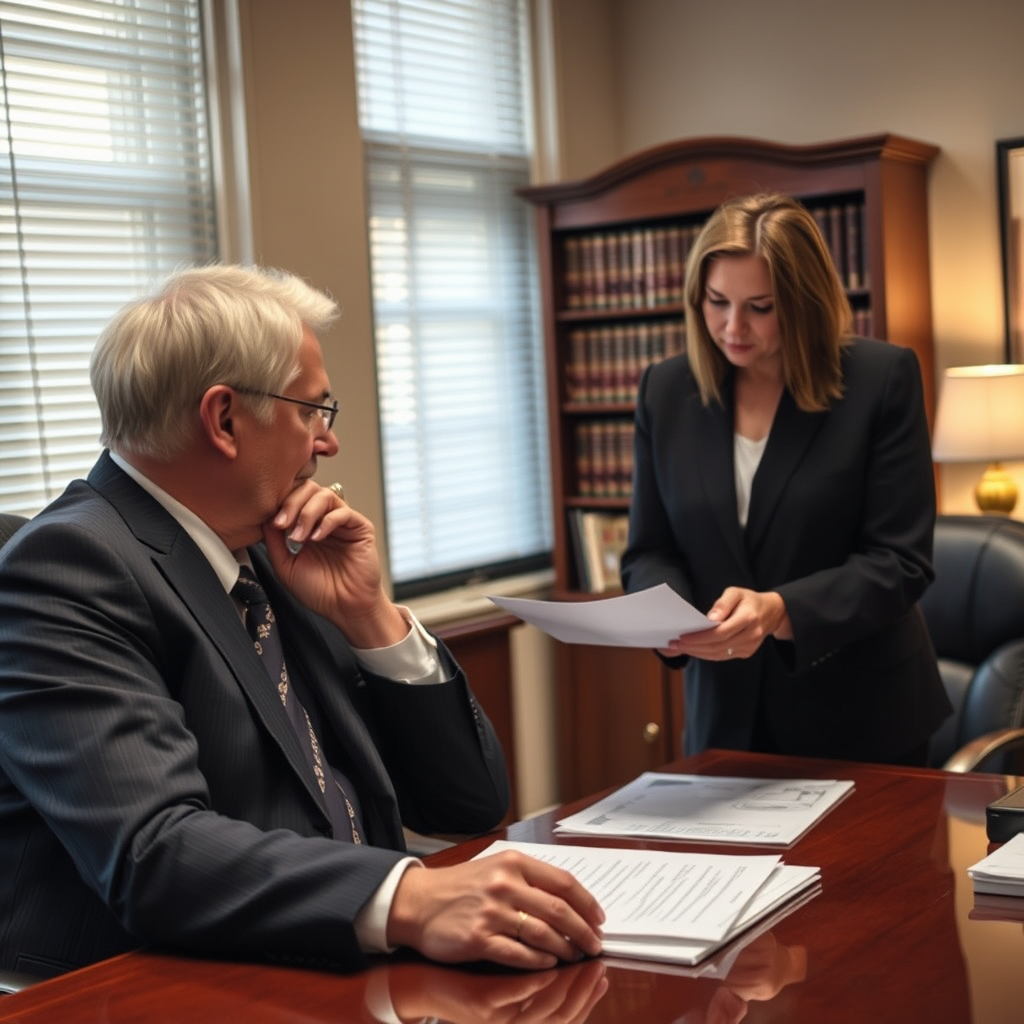
Cruelty Divorce Lawyer Tompkins County NY: Direct Answers & Dedicated Support
As of December 2025, the following information applies. In New York, a cruelty divorce involves proving conduct that makes living together unsafe or improper. This isn’t just about physical harm; emotional and psychological abuse can also be grounds. Securing dedicated legal defense in Tompkins County, NY, is key to protecting your rights and future. The Law Offices Of SRIS, P.C. provides dedicated legal defense for these matters, offering empathetic and direct support through difficult times.
Confirmed by Law Offices Of SRIS, P.C.
What is Cruelty Divorce in New York?
When you’re facing a divorce in New York, it’s rarely simple. A “cruelty divorce” is one of the more challenging paths, legally known as a divorce based on “cruel and inhuman treatment.” This isn’t just about physical abuse, though that certainly qualifies. It encompasses any behavior by your spouse that endangers your physical or mental well-being to such an extent that it becomes unsafe or improper for you to continue living together. Think about persistent emotional abuse, constant verbal attacks, or even manipulative behaviors that erode your sense of safety and peace. The law here acknowledges that harm isn’t always visible.
For a court in New York to grant a cruelty divorce, you’ll need to present clear, credible evidence of a pattern of such treatment. It’s not usually about a single argument or disagreement, but rather a consistent course of conduct that makes the marital relationship genuinely intolerable. This often means documenting incidents, seeking medical or psychological evaluations, and having a clear timeline of events. The court needs to see that your well-being is truly compromised, making continued cohabitation impossible.
Real-Talk Aside: Proving cruelty can feel overwhelming, especially when you’re already drained. It’s not about vengeance; it’s about establishing the legal grounds necessary to move forward safely. Your goal is to show the court why continuing this marriage isn’t just difficult, but genuinely harmful to you.
In Tompkins County, as with the rest of New York, these cases demand a deep understanding of what the law considers “cruel and inhuman.” It’s about demonstrating a level of severity that justifies ending the marriage on these specific grounds. This is where an experienced legal team can make a significant difference, helping you gather and present the compelling evidence needed to support your case effectively.
Takeaway Summary: A cruelty divorce in New York requires proving a pattern of behavior that endangers your physical or mental well-being, making cohabitation unsafe or improper. (Confirmed by Law Offices Of SRIS, P.C.)
How to File for Cruelty Divorce in Tompkins County, NY?
Filing for a cruelty divorce in Tompkins County, NY, requires a careful and structured approach. This isn’t just filling out forms; it’s about building a solid legal argument to demonstrate the grounds for your divorce. When you’re dealing with the emotional weight of a marriage ending due to cruel treatment, having a clear roadmap can bring some much-needed peace of mind. Let’s break down the general steps you’ll likely take. Remember, each situation is unique, so this is a general overview.
Step 1: Get Your Thoughts and Facts Together
Before any legal papers are drafted, you need to collect your thoughts and as many facts as possible. What constitutes “cruel and inhuman treatment”? It means acts of cruelty or abuse that seriously threaten your physical or mental health, making it unsafe or improper to continue living with your spouse. This could involve physical violence, but also persistent verbal abuse, emotional manipulation, threats, or severe neglect that significantly impacts your well-being. Start making notes of specific dates, times, and descriptions of incidents. If you have texts, emails, photos, or medical records, begin to organize them. This initial groundwork is invaluable because it helps your legal team understand the full scope of your situation and allows them to advise you appropriately.
Step 2: Seek a Confidential Case Review with a Lawyer
This is a critical first step. You’ll want to schedule a confidential case review with a knowledgeable attorney who has experience representing clients in domestic cruelty divorce cases in New York. During this meeting, you can openly discuss your experiences, present any evidence you’ve gathered, and ask questions. Your attorney will explain the legal standard for proving cruel and inhuman treatment in New York, assess the strength of your potential case, and outline the likely process. They’ll also discuss potential outcomes, what to expect, and start to formulate a strategy tailored to your unique circumstances. This review is where you gain clarity on your options and how to best move forward.
Step 3: Drafting and Filing the Summons and Complaint
Once you and your attorney decide to proceed, your legal team will draft the necessary documents to initiate the divorce. This typically involves a Summons with Notice or a Summons and Verified Complaint. The Complaint will formally state your grounds for divorce, including the specific allegations of cruel and inhuman treatment. It’s a detailed document that lays out your case to the court. Filing these papers with the Tompkins County Supreme Court officially begins the divorce process. This step is about formally notifying the court and your spouse that you are seeking a divorce based on these serious allegations.
Step 4: Serving Your Spouse
After filing, your spouse must be legally notified of the divorce action. This is called “service of process.” New York law has strict rules about how these papers must be served to ensure your spouse receives proper notice. It usually involves having someone other than yourself, often a professional process server, personally deliver the documents to your spouse. This step is non-negotiable and ensures due process. Your attorney will arrange for proper service, ensuring all legal requirements are met to avoid delays or complications.
Step 5: Discovery – Gathering More Information
Following service, the discovery phase begins. This is where both sides exchange information and evidence relevant to the case. It can involve various methods, such as interrogatories (written questions), requests for documents (like financial records, communications, medical reports), and depositions (out-of-court sworn testimony). For a cruelty divorce, discovery is particularly important for uncovering further evidence to support your claims of cruel and inhuman treatment and to understand your spouse’s perspective or defense. This phase ensures transparency and helps both parties prepare for potential settlement negotiations or trial.
Step 6: Negotiation and Settlement Discussions
Many divorce cases, even those involving cruelty allegations, are resolved through negotiation and settlement rather than a full trial. This phase involves your attorney negotiating with your spouse’s attorney to reach agreements on various aspects of the divorce, such as property division, spousal support, child custody, and child support. If allegations of cruelty are strong, they can influence these negotiations, potentially leading to more favorable terms for you, especially concerning issues like spousal support or custody arrangements. The goal is to reach a comprehensive settlement agreement that addresses all marital issues.
Step 7: Court Appearances and Potential Trial
If a settlement cannot be reached through negotiation, your case may proceed to trial. During a trial, both sides present their evidence and arguments to a judge, who will then make decisions on all contested issues, including whether the grounds for a cruelty divorce have been met. Proving cruel and inhuman treatment at trial requires presenting compelling testimony and documented evidence. Your attorney will represent you in court, advocating for your rights and interests. Trials can be emotionally draining and time-consuming, but sometimes they are necessary to achieve a just outcome.
Step 8: Finalizing the Divorce Decree
Once all issues are resolved, either through settlement or trial, the court will issue a Judgment of Divorce. This official document legally ends your marriage and outlines all the terms and conditions, including property division, support orders, and child custody arrangements. Your attorney will ensure that the final decree accurately reflects the agreements or court decisions and is properly filed with the court. This marks the legal conclusion of your divorce proceedings, allowing you to move forward.
- Gather Documentation: Collect any evidence of the cruel and inhuman treatment, such as dates, specific incidents, communications, and medical records.
- Confidential Case Review: Schedule a meeting with a knowledgeable attorney experienced in New York cruelty divorce cases to discuss your situation and options.
- Draft & File Complaint: Your attorney will prepare and file the Summons and Verified Complaint with the Tompkins County Supreme Court, formally stating your allegations.
- Serve Your Spouse: Ensure your spouse is legally served with the divorce papers according to New York’s strict procedural rules.
- Engage in Discovery: Exchange relevant information and evidence with your spouse’s legal team through interrogatories, document requests, and depositions.
- Negotiate Settlement: Work with your attorney to negotiate an agreement on property division, support, and custody, often influenced by the cruelty allegations.
- Attend Court (if necessary): If settlement fails, prepare for court appearances and a potential trial where evidence of cruelty is presented to a judge.
- Finalize Divorce Decree: Once all terms are settled or decided by the court, a Judgment of Divorce is issued, legally ending the marriage.
Can I Protect Myself and My Children in a Cruelty Divorce Case?
Absolutely. Your safety and the well-being of your children are paramount concerns in any divorce, especially one involving allegations of cruelty. New York law provides several mechanisms to help you protect yourself and your family during these challenging times. It’s not just about ending the marriage; it’s about securing a safe future for everyone involved. Let’s look at some of the key protections available to you in Tompkins County and across New York.
Orders of Protection
If you or your children are experiencing threats, harassment, or physical harm, an Order of Protection is a critical tool. This is a court order that can legally prevent your spouse from contacting you, coming near your home or workplace, or engaging in further abusive behavior. You can seek a temporary Order of Protection immediately when you file for divorce, and a permanent order can be issued as part of the final divorce judgment. Violating an Order of Protection carries serious legal consequences, providing a vital layer of security. Your attorney can assist you in filing for and obtaining such an order, ensuring all necessary steps are taken to keep you safe.
Temporary Custody and Support Orders
The period during a divorce can be incredibly unstable, particularly for children. The court can issue temporary orders regarding child custody, visitation, and child support early in the proceedings. These orders establish a temporary arrangement for where the children will live, who makes decisions about their care, and how their financial needs will be met while the divorce is ongoing. Such orders are designed to provide stability for children and ensure their best interests are maintained, preventing a parent from unilaterally relocating children or withholding financial support during the divorce process. This can be especially important if one parent’s behavior is deemed cruel or detrimental to the children’s well-being.
Exclusive Occupancy of the Marital Home
If the cruel treatment makes it unsafe or intolerable for you to remain in the marital home with your spouse, the court can grant you “exclusive occupancy.” This means your spouse would be legally required to move out, allowing you and your children to remain in the home during the divorce proceedings. This provides a crucial sense of stability and security, removing you from a harmful environment without immediately having to find new housing. Securing exclusive occupancy often depends on the severity of the allegations and the court’s assessment of the living situation’s safety. Your attorney will help demonstrate why this is necessary for your protection.
Financial Protections and Asset Preservation
In cases of cruelty, a spouse might try to hide assets, deplete marital funds, or otherwise act to your financial detriment. Your legal team can take steps to prevent this, such as seeking injunctions to freeze assets or requesting orders for your spouse to preserve marital property. New York is an equitable distribution state, meaning marital assets are divided fairly, though not necessarily equally. Allegations of cruel treatment can sometimes impact the court’s determination of what constitutes a “fair” distribution, especially if one spouse’s behavior led to financial harm or waste. Protecting your financial future is a key component of moving forward successfully.
Counseling and Therapeutic Support
While not a legal protection in the same way an order is, seeking counseling or therapeutic support for yourself and your children can be an invaluable step in protecting your mental and emotional well-being. Documenting participation in therapy can also serve as evidence of the impact of the cruel treatment, which may be relevant in court. Many resources exist in Tompkins County and surrounding areas to help individuals and families cope with the effects of domestic cruelty and divorce. Your attorney can often connect you with local support services, reinforcing your overall well-being during this challenging transition.
Blunt Truth: Protecting yourself and your children isn’t a passive process. It requires taking intentional legal steps. Don’t wait until things escalate; reach out for help to activate these protections as soon as you recognize the need. Your attorney is there to guide you through this, advocating for your safety at every turn. Remember, you don’t have to face this alone.
Why Choose Law Offices Of SRIS, P.C. for Your Cruelty Divorce?
Facing a cruelty divorce in Tompkins County, NY, can feel like you’re standing at a crossroads, unsure of which way to turn. This isn’t just a legal battle; it’s a deeply personal journey through a challenging period in your life. At the Law Offices Of SRIS, P.C., we understand the emotional toll and the legal complexities involved. We believe in providing direct, empathetic, and seasoned legal representation to help you secure a brighter future.
Our firm is built on a foundation of dedication to our clients. When you choose us, you’re not just hiring a lawyer; you’re gaining a knowledgeable team committed to upholding your rights and achieving the best possible outcome for your situation. We take pride in our ability to listen, understand, and then act decisively on your behalf. We know that every detail matters, and we approach each case with the thoroughness and strategic thinking it deserves.
Mr. Sris, the founder of Law Offices Of SRIS, P.C., brings a profound level of experience to every matter the firm manages. His direct approach to client advocacy is a cornerstone of our practice. As Mr. Sris himself has stated: “My focus since founding the firm in 1997 has always been directed towards personally representing the most challenging criminal and family law matters our clients face.” This insight highlights a personal commitment to the demanding nature of cases like cruelty divorces, ensuring that your delicate situation receives the attention and seasoned representation it demands.
We work to demystify the legal process, explaining each step in plain language so you always know where you stand. Our goal is to empower you with information, allowing you to make informed decisions about your future with confidence. Whether it’s gathering evidence of cruel treatment, negotiating intricate settlement agreements, or representing you vigorously in court, we are prepared to stand by you.
When domestic cruelty is a factor in your divorce, you need more than just legal advice; you need a strong advocate who truly understands the gravity of your circumstances. We are dedicated to providing the support and representation you need to navigate this difficult period and emerge with stability and peace. Our team is here to manage the legal burdens so you can focus on healing and rebuilding your life.
Law Offices Of SRIS, P.C. has a location serving Tompkins County, NY, located at:
50 Fountain Plaza, Suite 1400, Office No. 142,
Buffalo, NY, 14202, US
Phone: +1-838-292-0003
Don’t face this challenging time alone. Let us provide the dedicated legal support you deserve. Call now for a confidential case review.
Frequently Asked Questions About Cruelty Divorce in Tompkins County, NY
What evidence do I need to prove cruel and inhuman treatment in New York?
You’ll need credible evidence demonstrating a pattern of behavior that endangers your well-being. This can include detailed journals, communications like texts or emails, medical records for injuries, psychological evaluations, police reports, or witness testimony from people who observed the cruel treatment. Consistent documentation is key.
How long does a cruelty divorce take in Tompkins County?
The duration varies greatly depending on case complexity, court caseloads, and spouse cooperation. Contested cruelty divorces with significant disputes over assets or children can take 1-2 years or even longer. Uncontested cases, where grounds are agreed upon, resolve much quicker, sometimes within 6-12 months.
Can emotional abuse be grounds for a cruelty divorce in New York?
Yes, absolutely. New York law recognizes that emotional and psychological abuse can constitute “cruel and inhuman treatment.” If sustained emotional abuse endangers your mental health or makes cohabitation unsafe, it can be a valid ground for divorce, requiring compelling evidence of its impact.
Will my spouse’s cruelty affect child custody or support decisions?
Cruelty can certainly influence custody decisions if it impacts a parent’s fitness or a child’s well-being. The court prioritizes the child’s best interests. While it may not directly affect child support calculations, severe cruelty could factor into whether a parent has supervised visitation or restricted access.
Is a cruelty divorce different from a no-fault divorce in New York?
Yes, they are distinct. A no-fault divorce is based on the irreconcilable breakdown of the marriage for at least six months. A cruelty divorce, however, requires proving specific fault grounds – “cruel and inhuman treatment.” The legal requirements and evidence needed for each are different.
Can I get spousal support in a cruelty divorce case?
Potentially. Spousal support (alimony) in New York is determined based on various factors, including the length of the marriage, income disparities, and each spouse’s needs and ability to pay. While cruelty isn’t a primary factor, severe misconduct could be considered by the court in some equitable distribution decisions, indirectly impacting support.
What if I fear for my safety during the divorce process?
If you fear for your safety, your attorney can immediately help you seek an Order of Protection from the court. This legal order prohibits your spouse from contacting or approaching you. It’s crucial to communicate any safety concerns to your legal team promptly so they can take protective measures.
Will a cruelty divorce affect property division in New York?
New York is an equitable distribution state, aiming for a fair, not necessarily equal, division of marital assets. While specific acts of cruelty generally don’t directly alter asset division, if the cruel behavior led to economic fault or waste of marital assets, the court could consider it during distribution.
Do I need a lawyer for a cruelty divorce in Tompkins County?
While technically you can represent yourself, a cruelty divorce is highly complex and emotionally charged. A knowledgeable attorney is highly recommended to properly gather evidence, navigate legal procedures, protect your rights, and advocate for your best interests regarding grounds, custody, and financial matters.
Can I reconcile after starting a cruelty divorce?
Yes, you can. If you and your spouse decide to reconcile, you can inform the court that you wish to discontinue the divorce proceedings. The legal process would then be paused or terminated. It’s important to discuss this with your attorney to ensure all legal steps are properly handled.
The Law Offices Of SRIS, P.C. has locations in Virginia in Fairfax, Loudoun, Arlington, Shenandoah and Richmond. In Maryland, our location is in Rockville. In New York, we have a location in Buffalo. In New Jersey, we have a location in Tinton Falls.
Past results do not predict future outcomes.