


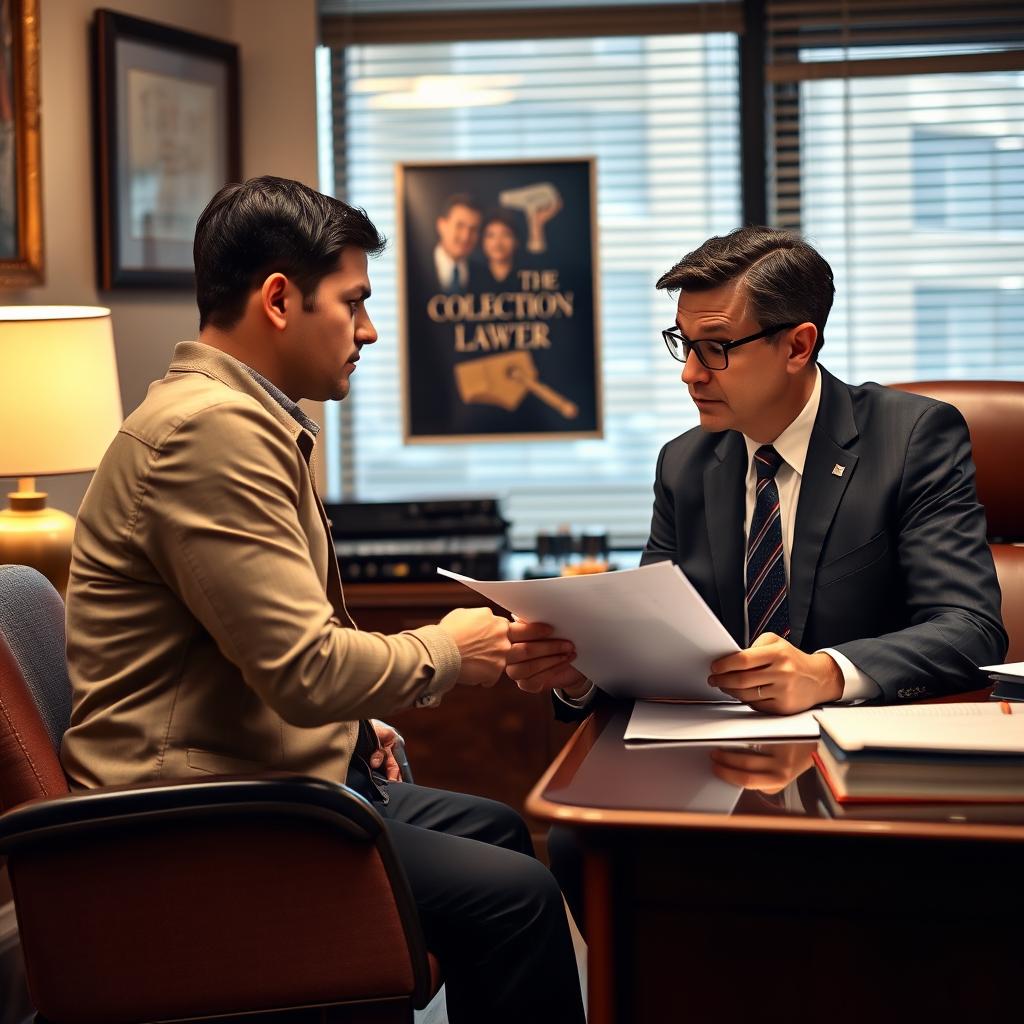
Debt Collection Lawyer in Queens County (Queens), NY
If you are facing a debt collection lawsuit in Queens, you need a lawyer who understands New York’s Civil Practice Law and Rules (CPLR). A debt collection lawyer Queens from Law Offices Of SRIS, P.C. can defend against claims for unpaid credit card debt, medical bills, or personal loans. We review the creditor’s proof and challenge improper practices. Contact us for a case review.
New York Debt Collection Laws
Debt collection in New York is governed by state statutes and the federal Fair Debt Collection Practices Act (FDCPA). The New York Civil Practice Law and Rules (CPLR) sets the procedures for filing and defending against collection lawsuits. Under CPLR § 214, the statute of limitations for most written contracts is six years. If a creditor files a lawsuit after this period, you may have a complete defense. The court where the case is filed, typically Queens County Supreme Court or Civil Court, has specific local rules that must be followed.
Last verified: April 2026 | Queens County Supreme Court | New York State Legislature
Official Legal Resources
For the official text of New York’s civil procedure laws, refer to the New York Civil Practice Law and Rules (official New York State Senate). For court-specific forms and filing information, visit the Queens County Supreme Court website.
Handling a Debt Collection Case in Queens
When a collection lawsuit is filed in Queens, the creditor must serve you with a summons and complaint. You have a limited time, usually 20 or 30 days, to file an answer. Failing to answer can result in a default judgment, which allows the creditor to garnish wages or levy bank accounts. A key local procedural fact is that Queens County courts handle a high volume of these cases, and creditors often rely on defendants not responding.
- Receive and review the summons and complaint carefully. Note the court date and deadline to answer.
- Gather all related documents: any old account statements, correspondence, and proof of any payments made.
- File a formal answer with the court (Queens County Supreme Court or Civil Court) before the deadline, asserting any applicable defenses.
- Participate in pre-trial discovery to request the creditor provide proof of the debt’s ownership and validity.
- Attend all court conferences and be prepared to negotiate a settlement or argue for dismissal if the creditor cannot prove their case.
Potential Outcomes in a Collection Case
In Queens, defending a debt collection lawsuit can lead to outcomes like case dismissal, a reduced settlement, or a payment plan, avoiding wage garnishment.
| Case Scenario | Possible Outcome | Financial Impact | Credit Report Impact |
|---|---|---|---|
| Successful Defense (Lack of Proof) | Case Dismissed | You owe nothing | Negative entry may be removed |
| Negotiated Settlement | Lump-Sum Payment for Less | Reduced total debt | May be reported as “settled” |
| Payment Plan (Stipulation) | Monthly Payments Over Time | Manageable payments, avoids garnishment | Will show as paid per agreement |
| Default Judgment (No Answer) | Wage Garnishment/Bank Levy | Full debt plus interest/costs | Judgment appears on report |
Results may vary. Prior results do not aim for a similar outcome.
Why Choose Our Firm for Debt Collection Defense
Law Offices Of SRIS, P.C. was founded in 1997. Our firm brings a focused approach to debt collection defense. We understand the pressure of these lawsuits and work to find practical solutions, whether that means challenging the lawsuit’s merits or negotiating a workable settlement. Our tagline, “Advocacy Without Borders,” reflects our commitment to client-centered representation in financial disputes.
Our Approach to Your Case
We begin by thoroughly examining the creditor’s complaint and any attached documentation. We verify the debt’s age, amount, and the plaintiff’s legal right to collect it. We then advise on the strongest defense strategy, which may include challenging the statute of limitations, the creditor’s standing to sue, or the accuracy of the amount claimed. Our goal is to protect your income and assets from garnishment.
Results may vary. Prior results do not aim for a similar outcome.
Contact a Debt Collection Attorney Queens Today
If you have been served with a debt collection lawsuit in Queens, time is critical. Our New York location serves clients at Queens County courts. We are accessible via major routes like I-495 (LIE) and the Grand Central Parkway. We provide debt collection legal help near Queens neighborhoods including Jamaica, Flushing, Astoria, and Forest Hills.
Law Offices Of SRIS, P.C.
New York Location
50 Fountain Plaza, Suite 1400, Office No. 142
Buffalo, NY 14202
Toll-Free: (888) 437-7747 | Local: (838)-292-0003 | Local: (838) 292-0003
By appointment only.
24/7 phone consultations — (888) 437-7747 — meetings by appointment only.
Debt Collection Law Firm Queens FAQ
Can a debt collection lawyer in Queens stop wage garnishment?
Yes. A lawyer can file motions to vacate a default judgment that led to garnishment or negotiate an alternative payment plan to stop it. Acting quickly after receiving a garnishment notice is crucial.
What should I look for in a debt collection attorney Queens?
Look for an attorney experienced with New York’s CPLR and local Queens court procedures. They should offer a clear review of your summons and explain defenses like statute of limitations or improper service. A good debt collection law firm Queens will outline a strategy during your initial consultation.
How long does a debt collection case take in Queens?
It depends. If a strong defense leads to early dismissal, it may take a few months. If the case proceeds through discovery and toward trial in Queens County Supreme Court, it could take 12 to 24 months. Most cases are resolved before a trial verdict.
What is the most common defense against a collection lawsuit?
The most common defense is challenging the plaintiff’s standing—requiring them to prove they own the specific debt and have the right to sue. Other defenses include expiration of the statute of limitations or incorrect calculation of the amount owed.
Will I have to go to court?
It depends. Your attorney can handle many conferences and filings. However, you may need to appear for certain settlement conferences or, rarely, a trial. Your lawyer will prepare you thoroughly for any required court appearance.
Related Legal Services in Queens
If you are dealing with business-related debt, you may need a business lawyer in Queens. For issues with contract enforcement, consider a contract lawyer in Queens. For broader civil litigation guidance, visit our New York civil litigation hub page.
Last verified: April 2026. Laws change. Contact Law Offices Of SRIS, P.C. at (888) 437-7747 for current guidance.