
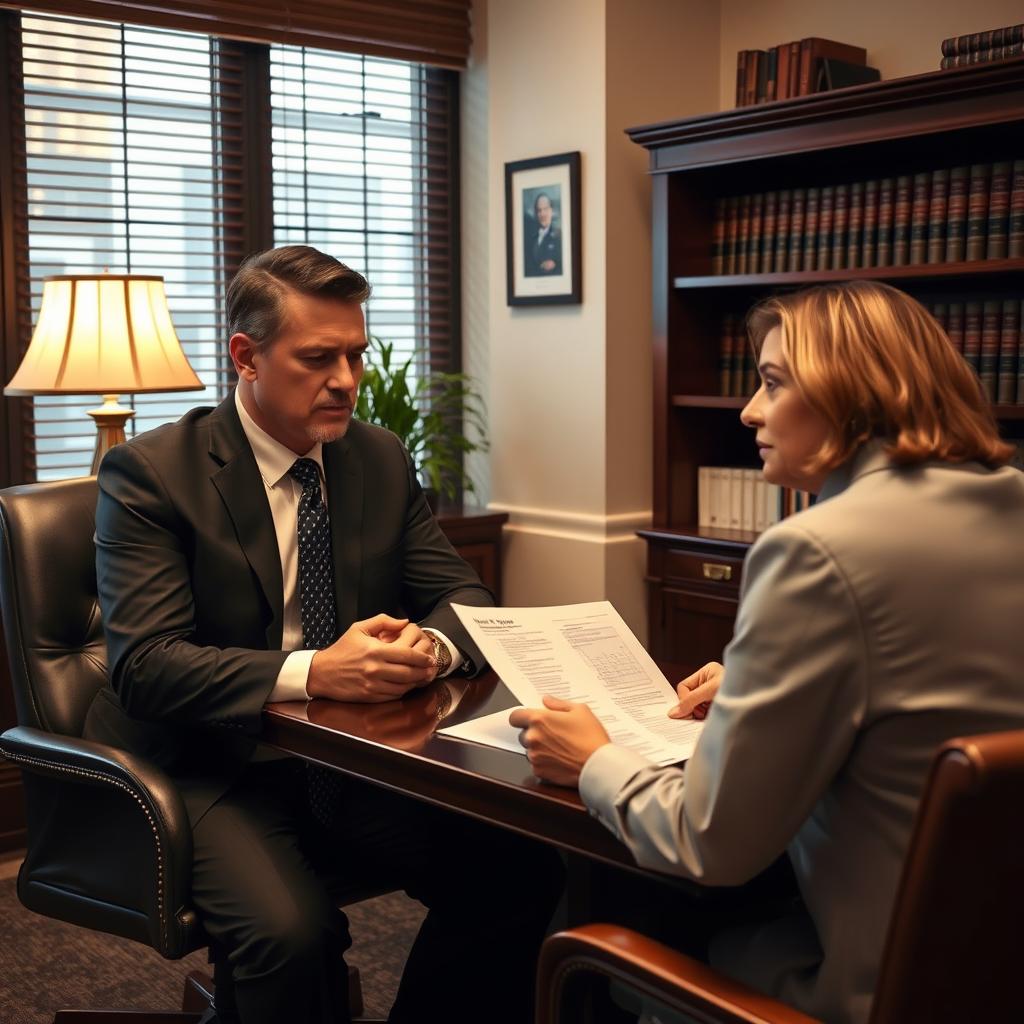
Fraud Litigation Lawyer Westchester County, NY
Fraud litigation involves civil claims arising when one party suffers financial harm because another made a knowingly false statement or concealed material facts. In Westchester County, these claims are heard in the New York Supreme Court, the trial court of general jurisdiction for the 9th Judicial District, located at 111 Dr. Martin Luther King Jr. Blvd, White Plains, NY 10601. Plaintiffs in fraud cases typically seek compensatory damages for their losses, and when the defendant’s conduct is especially egregious, they may also pursue punitive damages. New York law requires detailed factual allegations, and proving fraud demands clear and convincing evidence of the defendant’s intent to deceive. Law Offices Of SRIS, P.C. represents individuals and businesses in fraud matters throughout the Hudson Valley. Call (888) 437-7747 to schedule a consultation. Law Offices Of SRIS, P.C. — Advocacy Without Borders.
What Fraud Litigation Means in Westchester County
Fraud litigation in Westchester County unfolds in the New York Supreme Court, which has unlimited civil jurisdiction. Claims are governed by the New York Civil Practice Law and Rules (CPLR). The law recognizes several forms of actionable fraud, including fraudulent misrepresentation, fraudulent concealment, and constructive fraud. Each type requires the plaintiff to prove that the defendant knowingly made an untrue statement of material fact or omitted critical information, that the plaintiff reasonably relied on that misrepresentation, and that the reliance caused measurable financial harm.
A claim for fraud in New York must be commenced within the later of six years from the commission of the fraud or two years from the date the fraud was or reasonably could have been discovered.
Reviewed by Mr. Sris, admitted in VA, MD, DC, NJ, NY.
Because the statute of limitations for fraud has a discovery-based trigger, the deadline to file a lawsuit depends heavily on when the injured party learned—or reasonably should have learned—of the deception. This makes early investigation critical. In Westchester County, the Supreme Court commonly handles business-fraud, real-estate-fraud, investment-fraud, and partnership-dispute cases. The commercial division rules may apply when business disputes involve a qualifying amount in controversy, offering streamlined discovery and case-management procedures for complex matters.
How Mr. Sris and His Of Counsel Handle Fraud Litigation Cases
Mr. Sris and his Of Counsel approach fraud litigation with a structured, evidence-focused strategy. The team begins by scrutinizing the transaction documents, communications, and financial records that underlie the dispute. Because fraud claims turn on proof of intent and reliance, early fact development is essential. The attorneys work with forensic accountants and other professionals as needed to trace funds and reconstruct the events that led to the loss. Throughout the matter, they evaluate the strength of the evidence and advise the client on settlement possibilities before trial.
The litigation process in the Westchester County Supreme Court generally proceeds through complaint and answer, written discovery, depositions, and motion practice. Mr. Sris and his Of Counsel prepare every case for trial while remaining open to negotiation. The timeline varies by case complexity and the court’s calendar. At every stage, the team focuses on presenting a clear, well-documented narrative that explains how the defendant’s misrepresentations directly caused the client’s damages. Clients receive candid assessments of their legal position and recommendations tailored to their goals.
About Mr. Sris and His Of Counsel Team
Mr. Sris, Owner and Founder of Law Offices Of SRIS, P.C., has practiced law since 1997 and is admitted in Virginia, Maryland, the District of Columbia, New Jersey, and New York. A former prosecutor, he brings extensive courtroom experience and an investigative perspective to civil fraud matters. Mr. Sris testified before the Virginia House Courts of Justice Committee in support of 2019 HB 635 (chief patron Del. David Bulova).
Mr. Sris and his Of Counsel bring over 120 years of combined legal experience, with 4,739+ documented firm-wide results. Results may vary. Our Of Counsel attorneys are engaged through Excella and contribute thorough knowledge in commercial litigation, insurance disputes, and contract claims, ensuring each fraud case receives thorough attention. The team collectively serves clients across the firm’s five jurisdictions, bringing a multi-state perspective to complex disputes.
Frequently Asked Questions
How long does a civil lawsuit take in Westchester County?
A civil lawsuit in Westchester County may take 12 to 24 months if it proceeds through trial, though many cases settle earlier. Smaller claims can resolve in two to four months. The timeline for a fraud dispute depends on the volume of documents, the number of witnesses, and the court’s calendar. The New York Supreme Court, Westchester County, manages discovery, motion practice, and trials under the CPLR. Early case assessment and negotiation can shorten the dispute resolution process.
What is the statute of limitations for fraud claims in New York?
The statute of limitations for fraud in New York is the later of six years from the date of the fraud or two years from the date the fraud was, or reasonably could have been, discovered. Because the discovery rule applies, the filing deadline may extend beyond six years if the injured party could not have known of the deception sooner. Meeting the limitation period is essential; missing it can result in dismissal of the claim. Contact a lawyer promptly if you suspect fraud.
Do I need a lawyer for a fraud litigation case?
You are not legally required to have a lawyer for a fraud case, but an experienced attorney significantly improves the prospects of a favorable resolution. Fraud claims involve complex pleading standards and require clear and convincing evidence. Self-represented litigants often struggle to prove intent or to navigate discovery and motion practice. A lawyer can identify the strongest legal theories, compile the necessary evidence, and present a compelling case to the court or in settlement negotiations.
How is fraud proven in a civil case?
To prove fraud in a civil case, the plaintiff must show by clear and convincing evidence that the defendant made a material misrepresentation or omission with intent to deceive, that the plaintiff justifiably relied on the false statement, and that the reliance caused measurable financial harm. The evidentiary standard is higher than in an ordinary contract dispute. Success often turns on documentary evidence—emails, financial statements, and contracts—that demonstrates the defendant’s knowledge and intent.
What types of fraud cases does the firm handle?
Mr. Sris and his Of Counsel handle a broad range of fraud litigation, including business fraud, investment and securities fraud, real estate and mortgage fraud, partnership and shareholder disputes involving misrepresentation, insurance fraud, and fraudulent transfer claims. The team also handles claims involving common-law fraud, statutory consumer-protection violations, and disputes arising from the sale of businesses or professional practices.
How do I schedule a consultation about a fraud matter in Westchester County?
To discuss your situation, call Law Offices Of SRIS, P.C. at (888) 437-7747. We will ask about the nature of the dispute, the parties involved, and any documents you have. After an initial review, we can schedule a more detailed consultation to explore your legal options. The firm serves clients throughout Westchester County and the Hudson Valley region.
Our firm also represents clients in civil litigation matters across the New York metropolitan area. Learn more about our services in Manhattan, Brooklyn, Queens, and Nassau County.
For authoritative information, review the Westchester County Supreme Court website.
Attorney advertising. Prior results do not guarantee a similar outcome.
Case results depend on a variety of factors unique to each case.
Results may vary.