

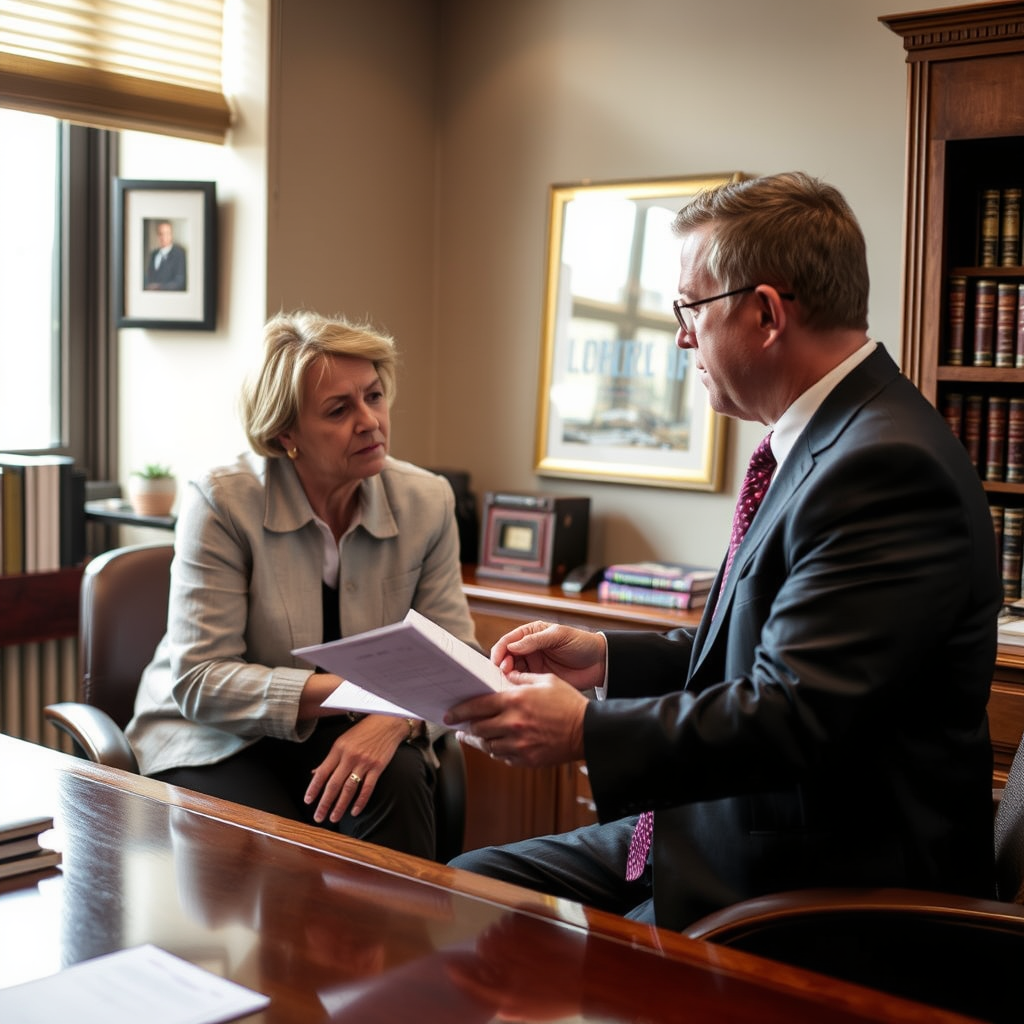
Guardianship Attorney New York: Protecting Loved Ones with Clear Legal Support
As of December 2025, the following information applies. In New York, guardianship involves a court-appointed individual or entity taking on the responsibility for a minor or an incapacitated adult. This legal process is designed to ensure the ward’s well-being and assets are safeguarded. Law Offices Of SRIS, P.C. provides dedicated legal defense for these important matters, offering robust counsel when you need it most.
Confirmed by Law Offices Of SRIS, P.C.
What is Guardianship in New York?
Guardianship in New York is a serious legal arrangement where a court names someone to make important decisions for another person, known as the “ward.” This usually comes into play when a minor child’s parents are unable to care for them, or when an adult can’t manage their own affairs because of an illness, injury, or a disability. The guardian steps into a vital role, managing personal care, finances, or both, always with the ward’s best interests as their top priority. It’s not just a legal formality; it’s about making sure vulnerable individuals are looked after when they can’t care for themselves. We’re talking about ensuring their safety, health, and financial stability. This can be a temporary solution or a long-term commitment, depending on the circumstances of the ward and the specific orders from the court. Understanding these nuances is key to protecting your loved ones in New York.
There are generally two main types of guardianship in New York: guardianship of the person and guardianship of property. A guardian of the person makes decisions about the ward’s personal care, like medical treatment, living arrangements, and daily activities. Imagine helping an elderly parent choose their care facility or making sure a child gets proper education. Then there’s guardianship of property, which involves managing the ward’s financial assets, investments, and property. This could mean paying bills, managing bank accounts, or even selling assets if it’s in the ward’s best interest. Sometimes, one person takes on both roles; other times, the court appoints separate individuals for each. For minors, guardianship often arises after parental death or incapacitation, ensuring the child has a stable home and someone to make crucial decisions. For adults, it’s typically due to incapacitation, often involving elderly individuals with dementia or adults with significant developmental disabilities. The court’s role is to ensure that the guardian is suitable and that the guardianship is truly necessary, always upholding the ward’s rights and dignity.
Takeaway Summary: Guardianship in New York legally assigns responsibility for a minor or incapacitated adult’s well-being and assets to a court-appointed individual, focusing on their best interests.
Understanding the Guardianship Process in New York
Dealing with guardianship can feel like a heavy weight, especially when you’re concerned about someone you care about. In New York, the process to establish or modify guardianship is structured, designed to ensure fairness and protection for the ward. It starts with a petition, a formal request to the court, and it involves several stages where your involvement and legal counsel are incredibly important. Let’s break down what you can expect.
- Initiating the Petition: The first step is filing a petition with the appropriate New York court. This petition formally requests the court to appoint a guardian. Who can file? Typically, it’s a family member, a close friend, or an agency with a vested interest in the ward’s welfare. The petition needs to include detailed information about the proposed ward, why guardianship is necessary, and who the proposed guardian is, along with their qualifications. This isn’t just a form; it’s your opportunity to tell the court why this step is essential for your loved one. It’s about presenting a clear, compelling case from the outset.
- Serving Notice: Once the petition is filed, all interested parties must receive official notice. This includes the proposed ward, their immediate family members, and anyone else the court determines should be informed. The idea is to ensure everyone has a chance to participate or object to the proposed guardianship. It’s a due process requirement, ensuring transparency and fairness. Sometimes, the proposed ward may not fully understand the proceedings, but their legal rights are still protected through the appointment of a court evaluator or attorney who represents their best interests.
- Court Hearings and Investigations: The court will schedule hearings where all parties can present their arguments and evidence. The judge will carefully consider all factors, often requiring independent investigations by court-appointed evaluators. These evaluators will meet with the proposed ward, interview family members, and review medical records to provide an unbiased report to the court. This investigation is absolutely vital. It helps the court understand the ward’s actual needs and whether guardianship is the least restrictive alternative for their care. You’ll need to be ready to present your case clearly and provide any requested documentation.
- Appointment and Letters of Guardianship: If the court determines that guardianship is necessary and the proposed guardian is suitable, it will issue an order of appointment. This order formally names the guardian and outlines their specific powers and duties. Following this, “Letters of Guardianship” are issued, which are the official documents proving the guardian’s authority. These letters are what you’ll use to act on behalf of the ward – for instance, when dealing with banks, doctors, or government agencies. It’s the official green light to start taking on the responsibilities the court has entrusted to you.
- Ongoing Responsibilities and Reporting: Guardianship isn’t a one-and-done deal. Guardians in New York have ongoing duties, including making decisions for the ward, managing their assets, and filing regular reports with the court. These reports detail the ward’s well-being, financial status, and the guardian’s activities. It’s the court’s way of ensuring the ward continues to receive appropriate care and that their assets are managed responsibly. This accountability is a safeguard, making sure the guardian truly acts in the ward’s best interests over time.
- Modification and Termination: Life changes, and sometimes guardianships need to change too. A guardianship can be modified if the ward’s circumstances improve or worsen, requiring different levels of support or different types of authority for the guardian. It can also be terminated if the ward regains capacity, a minor ward reaches adulthood, or if the guardian is no longer able or suitable to serve. These changes also require a petition to the court, demonstrating the reasons for the modification or termination. It’s important to remember that the court’s primary concern remains the ward’s best interest at every stage.
It’s a lot to take in, isn’t it? But remember, you don’t have to go through this alone. Getting seasoned legal help early can make a real difference in how smoothly and effectively you defend these waters. We’re here to help clarify the path ahead for you.
Facing the Future: Addressing Concerns in New York Guardianship Cases
It’s totally normal to feel a bit overwhelmed or even scared when you’re facing a guardianship situation in New York. You might be worried about losing control, the long-term implications, or simply making the right choices for your loved one. Let’s tackle some of those common fears head-on because understanding what’s really at stake can bring a lot of clarity and hope.
Concern: “Will I lose all control over my life or my loved one’s life if guardianship is established?”
This is a big one, and it’s a valid fear. The good news is that New York law emphasizes the “least restrictive alternative.” This means the court tries to grant only the powers absolutely necessary for the guardian to protect the ward, leaving as much autonomy as possible. For instance, if an adult needs help with finances but can still make their own medical decisions, the guardianship might only cover property. For minors, while the guardian has significant authority, their role is often focused on ensuring the child’s stability and development, not on stripping away their individuality. Our goal is to work towards an outcome that protects while still respecting personal dignity and choices wherever feasible.
Concern: “Is guardianship a permanent situation that can never be changed?”
Many people assume guardianship is forever, and that’s not always the case. Guardianships can absolutely be modified or even terminated. If a minor ward reaches adulthood, the guardianship usually ends. If an adult ward’s condition improves significantly, they can petition the court to have the guardianship modified or terminated. Circumstances change, and the legal system acknowledges that. Maybe the guardian’s situation changes, or the ward develops new capacities. It’s not a set-it-and-forget-it system; it’s designed to be adaptable to evolving needs. Having an experienced attorney by your side means you’ll know when and how to seek these changes if they become appropriate.
Concern: “What happens to my loved one’s inheritance or assets under guardianship?”
This is a particularly stressful thought for many families. When a guardian of property is appointed, their primary duty is to manage and protect the ward’s assets responsibly. They can’t just do whatever they want with the money. New York courts impose strict reporting requirements, demanding detailed accounts of all financial transactions. The guardian has a fiduciary duty, meaning they must act solely in the ward’s best financial interest, not their own. This often involves careful record-keeping, investing wisely, and ensuring assets are used for the ward’s care and maintenance. It’s a system built on accountability to safeguard your loved one’s financial future.
Blunt Truth: Guardianship isn’t just about shuffling papers; it’s about protecting real people, their dignity, and their future. The emotional weight can be immense, but with sound legal advice, you can approach it with confidence and clarity.
The journey through guardianship in New York is deeply personal and often emotionally charged. You’re not just dealing with legal statutes; you’re dealing with the well-being of someone you care about. That’s why having a seasoned legal team who understands both the law and the human element is so important. We’re here to offer that direct, empathetic support you need to make the best decisions for your family.
Why Hire Law Offices Of SRIS, P.C. for Your New York Guardianship Needs?
When you’re facing something as significant as a guardianship case in New York, you don’t just need a lawyer; you need a confidant, a strategist, and someone who truly understands the gravity of what’s at stake. That’s precisely what you’ll find at Law Offices Of SRIS, P.C. We’re not just a law firm; we’re a team dedicated to providing robust legal support with a direct and empathetic approach. Whether you’re navigating the complexities of guardianship or seeking assistance with family law matters, our expertise extends to comprehensive New York divorce attorney services. We prioritize your needs and work tirelessly to ensure that you feel supported every step of the way. Your peace of mind is our mission, and we’ll stand by you through every challenge. In addition to our guardianship and family law services, we also offer specialized stepparent adoption lawyer services designed to help families grow and thrive. Our compassionate team understands the unique dynamics of blended families and is committed to guiding you through each legal step with care. Trust us to advocate for your family’s best interests while ensuring a smooth and loving transition.
Mr. Sris, our founder, brings decades of experience to the table. His approach to law is rooted in a profound understanding of family dynamics and the serious implications of legal decisions on real lives. As Mr. Sris himself puts it: “My focus since founding the firm in 1997 has always been directed towards personally representing the most challenging family law matters our clients face.” This isn’t just a statement; it’s the core of our practice. We understand that guardianship cases are often emotionally charged and require a delicate yet firm hand. We’re here to be that steady hand for you.
We believe in providing straightforward, honest advice. You won’t get legal jargon that leaves you more confused than when you started. Instead, you’ll get clear explanations, direct answers, and a well-defined strategy tailored to your unique situation. Whether you’re seeking guardianship for a minor or an incapacitated adult, or if you need to challenge an existing guardianship, our seasoned team is prepared to advocate fiercely for your interests and the best interests of your loved one.
Our commitment to our clients extends beyond the courtroom. We understand that these matters are deeply personal, which is why we offer confidential case reviews. This initial discussion allows us to understand your specific circumstances, provide preliminary insights, and outline how we can assist you effectively. You’re not just another case file to us; you’re an individual seeking help during a challenging time, and we treat your concerns with the respect and diligence they deserve.
Law Offices Of SRIS, P.C. has a location conveniently situated in Buffalo, New York, serving clients throughout the region. Our local presence means we’re familiar with the specific courts and legal landscape of New York, providing you with an advantage. When you need seasoned legal counsel for guardianship matters, you can count on us to be there, providing the guidance and representation you need. Our commitment to our clients extends beyond Buffalo, as we also offer comprehensive guardianship legal services in Albany. Whether you are navigating complex guardianship issues or seeking advice on the best course of action, our experienced team is ready to assist you. Trust us to provide personalized solutions that address your unique needs and protect your interests. In addition to guardianship matters, our firm is also equipped to handle parenting time disputes, ensuring that your rights as a parent are well-protected. If you’re looking for a parenting time attorney in New York, our knowledgeable team will work tirelessly to help you achieve a fair arrangement that serves the best interests of your children. We understand the emotional and legal complexities involved, and we’re dedicated to providing compassionate support throughout the process.
Our New York Location:
50 Fountain Plaza, Suite 1400, Office No. 142
Buffalo, NY, 14202, US
Phone: +1-838-292-0003
Call now to arrange a confidential case review and take the first step towards securing your loved one’s future with confidence.
Frequently Asked Questions About New York Guardianship
Got questions about guardianship in New York? You’re not alone. Here are some quick answers to common concerns people have when considering or dealing with guardianship matters in the Empire State.
- 1. What’s the difference between guardianship and power of attorney in New York?
- Guardianship is court-ordered for someone unable to make decisions, while a power of attorney is a voluntary document where an adult grants authority to another. Guardianship typically involves court oversight, whereas power of attorney relies on the grantor’s initial capacity and trust.
- 2. Can I choose my own guardian in New York?
- You can name a standby guardian in a will or other document for your minor children, or nominate one for yourself if you become incapacitated. The court ultimately approves the appointment, but your preferences are considered seriously.
- 3. What are a guardian’s main responsibilities in New York?
- A guardian’s main responsibilities include making decisions about the ward’s personal care (health, living) and/or managing their finances. They must act in the ward’s best interests, file regular court reports, and manage assets responsibly, maintaining strict accountability.
- 4. How long does a guardianship last in New York?
- Guardianship for a minor generally ends when the child turns 18. For adults, it lasts as long as the ward remains incapacitated or until the court orders termination or modification based on changed circumstances. It isn’t always permanent.
- 5. Can I object to someone becoming a guardian in New York?
- Yes, if you’re an interested party, you have the right to object to a proposed guardianship or a specific guardian. You’ll need to present your reasons to the court, often with supporting evidence, during the legal proceedings. Legal counsel is advisable.
- 6. What if I suspect guardian misconduct in New York?
- If you suspect a guardian is not acting in the ward’s best interests or is abusing their power, you should immediately seek legal advice. The court takes such allegations very seriously and can investigate, remove, or sanction a guardian for misconduct.
- 7. Do I need a lawyer for a guardianship case in New York?
- While not legally mandatory, having an experienced guardianship attorney in New York is highly recommended. The process is complex, involves court rules, and has significant implications. Legal counsel can help protect your rights and ensure a smoother process.
- 8. What’s the difference between a guardian of the person and a guardian of property?
- A guardian of the person makes decisions about the ward’s personal well-being, like health and residence. A guardian of property manages the ward’s financial affairs and assets. Often, one person serves both roles, but separate guardians can be appointed.
- 9. How much does a guardianship attorney cost in New York?
- Costs vary widely depending on the complexity of the case, the attorney’s experience, and the time involved. It’s best to discuss fees during a confidential case review. Be prepared for a detailed discussion about potential expenses and billing structures.
The Law Offices Of SRIS, P.C. has locations in Virginia in Fairfax, Loudoun, Arlington, Shenandoah and Richmond. In Maryland, our location is in Rockville. In New York, we have a location in Buffalo. In New Jersey, we have a location in Tinton Falls.
Past results do not predict future outcomes.