

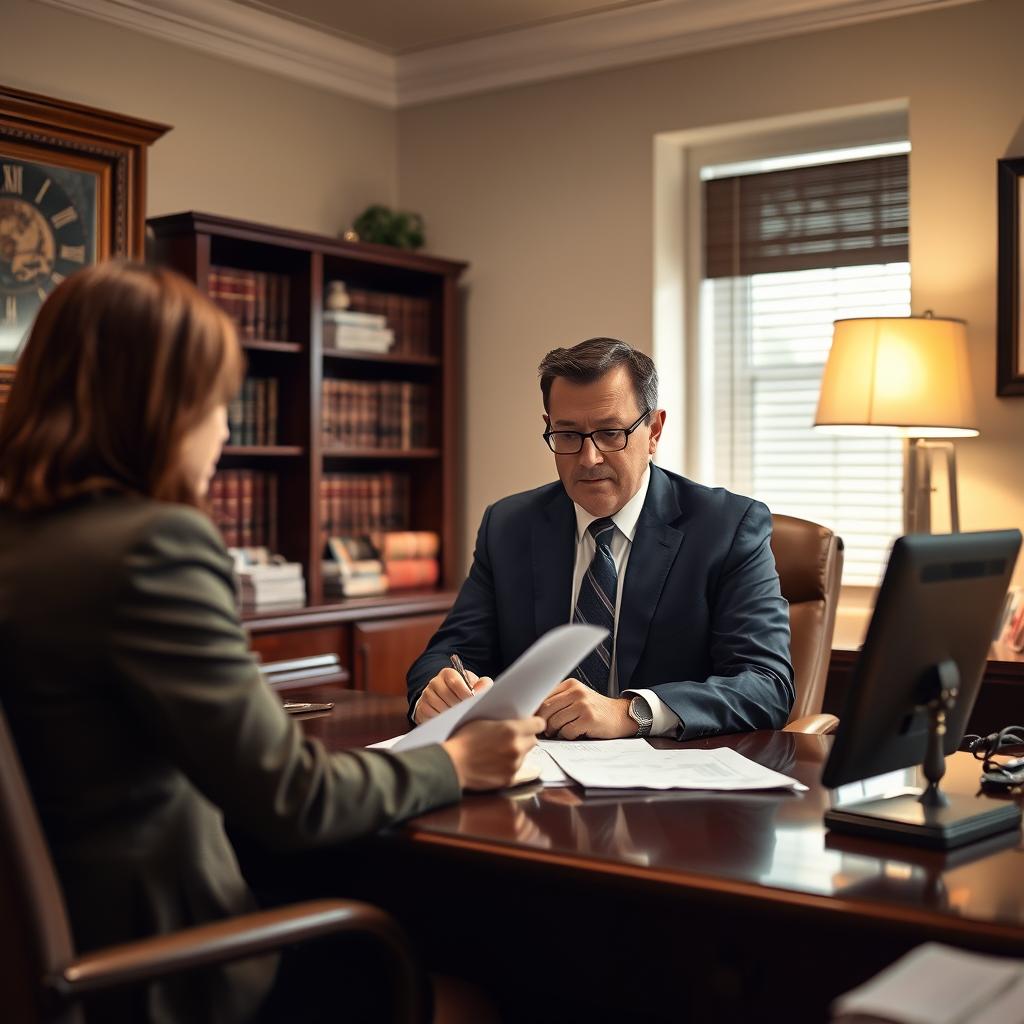
Landlord Tenant Lawyer in Schenectady County, NY — Protecting Your Rights
A landlord tenant lawyer Schenectady County can be essential for resolving disputes under New York’s Real Property Actions and Proceedings Law (RPAPL). Law Offices Of SRIS, P.C. provides representation for eviction defense, lease violations, and security deposit issues. Our firm, founded in 1997, offers 24/7 consultations to protect your housing rights in Schenectady County Supreme Court.
New York Landlord Tenant Law in Schenectady County
Landlord-tenant disputes in Schenectady County are governed by New York State law, primarily the Real Property Actions and Proceedings Law (RPAPL) and the Multiple Dwelling Law. These statutes outline the legal procedures for evictions, define tenant rights regarding habitability, and set rules for security deposits and lease agreements. A landlord tenant lawyer Schenectady County must handle these laws within the local procedures of the Schenectady County Supreme Court, which handles most holdover and non-payment proceedings.
Last verified: April 2026 | Schenectady County Supreme Court | New York State Legislature
Official Legal Resources
For the official text of New York’s landlord-tenant statutes, refer to the Real Property Actions and Proceedings Law (RPAPL) on the New York State Senate website. Local court procedures and forms can be found on the Schenectady County Supreme Court website.
Local Procedures for Landlord Tenant Cases
In Schenectady County, eviction proceedings (summary proceedings) are filed in the Supreme Court. The process is strict, beginning with proper service of a notice (like a 14-day rent demand or a notice to cure) followed by a petition and notice of petition. Tenants have a short window to answer. An eviction defense lawyer Schenectady County can challenge procedural defects, such as improper service or failure to maintain the premises, which are common defenses. The court also hears cases on security deposit returns, repairs, and lease breaches.
- Receive Legal Notice: You are served with a predicate notice (e.g., 14-Day Rent Demand) and later a Petition and Notice of Petition.
- File an Answer: You typically have a limited number of days (often 5-10) to file a written Answer with the court clerk, asserting your defenses.
- Attend the Initial Hearing: Appear in Schenectady County Supreme Court on the date specified. The judge may schedule a trial or explore settlement.
- Pre-Trial Discovery & Motions: Your attorney may file motions to dismiss for procedural flaws or engage in discovery to gather evidence.
- Trial or Settlement: The case may proceed to a bench trial where evidence is presented, or the parties may reach a settlement agreement (e.g., a payment plan, lease termination).
- Post-Trial Actions: If you prevail, the case is dismissed. If the landlord prevails, they may obtain a warrant of eviction, which is executed by a sheriff.
Potential Outcomes in Landlord Tenant Disputes
In Schenectady County, a landlord tenant dispute can result in eviction, monetary judgments for unpaid rent or damages, or, for tenants, orders for repairs, return of security deposits, or dismissal of the case.
| Issue | Legal Standard | Potential Outcome for Tenant | Potential Outcome for Landlord |
|---|---|---|---|
| Non-Payment of Rent | RPAPL Article 7 | Judgment for owed rent + fees; eviction if unpaid. | Recovery of rent; possession of unit. |
| Holdover / Lease Violation | RPAPL Article 7 | Eviction; possible monetary judgment. | Possession of unit; may recover damages. |
| Warranty of Habitability | NY Real Prop. Law § 235-b | Rent reduction (abatement); order for repairs; lease termination. | Order to make repairs; potential penalties. |
| Security Deposit Dispute | NY Gen. Oblig. Law § 7-108 | Return of deposit + up to double damages if wrongfully withheld. | Must provide itemized statement of deductions within 14 days of lease end. |
| Retaliatory Eviction | NY Real Prop. Law § 223-b | Defense to eviction; potential damages. | Eviction petition dismissed. |
Results may vary. Prior results do not guarantee a similar outcome.
Why Choose Our Firm for Your Case
Law Offices Of SRIS, P.C. was founded in 1997 by former prosecutor Mr. Sris. Our firm brings a combined 120+ years of legal experience to every case. We understand that housing stability is critical, and we approach each landlord-tenant dispute with a focus on protecting your rights and achieving a practical resolution, whether through vigorous defense in court or strategic negotiation.
Our Approach to Landlord Tenant Cases
We immediately review all notices, leases, and correspondence to identify defenses such as improper notice, breach of the warranty of habitability, or retaliatory action. We prepare all necessary answers and motions, represent you at hearings in Schenectady County Supreme Court, and negotiate with the opposing party to seek outcomes that may avoid displacement, such as payment plans or lease modifications.
Contact Our Schenectady County Landlord Tenant Lawyers
Law Offices Of SRIS, P.C.
50 Fountain Plaza, Suite 1400, Office No. 142, Buffalo, NY 14202
Toll-Free: (888) 437-7747 | Local: (838)-292-0003
By appointment only. 24/7 phone consultations.
Our New York location serves clients in Schenectady County and the surrounding Capital District, including Schenectady, Niskayuna, Rotterdam, Scotia, Duanesburg, and Glenville. We are accessible via I-87, I-90, and I-787.
Landlord Tenant Lawyer Schenectady County FAQ
What is the most common mistake tenants make in an eviction case?
Failing to file a written Answer with the court by the deadline. In Schenectady County, you typically have only a few days after being served with court papers to respond. Missing this deadline can result in a default judgment for the landlord, skilled to eviction without a hearing on the merits of your case.
Can a landlord evict me without going to court?
No. In New York, a landlord must file a petition in court (like Schenectady County Supreme Court) and obtain a judge’s order (a warrant of eviction) before legally removing a tenant. Any “self-help” eviction, like changing locks or shutting off utilities, is illegal and you should contact a tenant rights dispute lawyer Schenectady County immediately.
How long does an eviction process take in Schenectady County?
It depends on the case type and defenses raised. A clear non-payment case where the tenant does not respond can move in about 4-6 weeks from notice to sheriff’s execution. If the tenant answers and contests the case, it can take several months through discovery, motions, and potential trial in Schenectady County Supreme Court.
What can I do if my landlord won’t make repairs?
First, notify the landlord in writing and keep a copy. If repairs for essential services (heat, water, structural issues) are not made, you may have the right to repair and deduct, withhold rent, or file an HP action in court for an order forcing repairs. Consulting a landlord tenant lawyer Schenectady County is crucial before withholding rent, as improper action could lead to a non-payment case.
What fees are involved in filing a landlord tenant case?
Index number filing fees in Supreme Court are $210. Additional motion fees are typically $45. Tenants filing an HP action (for repairs) may have fees reduced based on income. Both parties should also budget for potential costs like service of process and, if the lease allows, attorney’s fees for the prevailing party.
Related Practice Areas: Business Lawyer Schenectady County | Contract Lawyer Schenectady County | Real Estate Litigation Lawyer Schenectady County
Also Serving: Albany County Civil Litigation Lawyer | Broome County Civil Litigation Lawyer
Back to: New York Civil Litigation Lawyer
Page Last verified: April 2026. Laws and procedures change. Contact Law Offices Of SRIS, P.C. at (888) 437-7747 for current legal guidance regarding your specific landlord tenant matter in Schenectady County.