

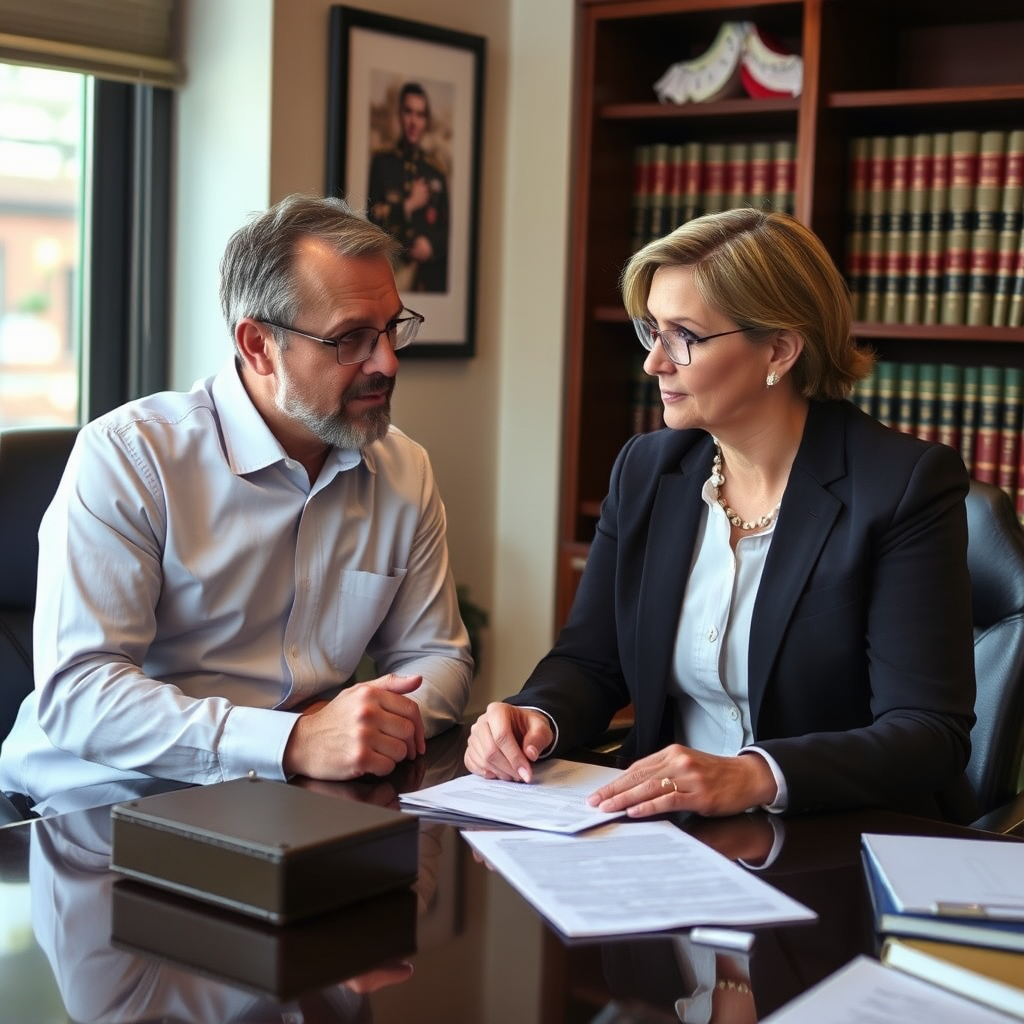
Military Divorce Attorney Montgomery County, NY: Protecting Your Rights and Future
As of December 2025, the following information applies. In New York, military divorce involves unique considerations like the division of military pensions, healthcare benefits, and complex child custody arrangements for service members. Understanding these distinct legal frameworks, which combine federal military laws with state statutes, is key to achieving a fair and just outcome. The Law Offices Of SRIS, P.C. provides dedicated legal representation for these sensitive matters, offering clarity and support to service members and their families. The complexities of military divorce often demand the expertise of a specialized lawyer. A military divorce attorney in Nassau County can navigate the intricacies of both state and federal laws, ensuring that service members receive their rightful benefits and protections. With the right legal guidance, families can work towards solutions that prioritize the well-being of children while respecting the unique challenges faced by military personnel.
Confirmed by Law Offices Of SRIS, P.C.
What is Military Divorce in New York?
Military divorce in New York isn’t just a regular divorce with a uniform. It involves a unique blend of specific federal laws, most notably the Uniformed Services Former Spouses’ Protection Act (USFSPA), which profoundly impacts how critical assets like military pensions, healthcare through TRICARE, and other service-related benefits are divided. Beyond these federal mandates, New York state laws still apply to aspects such as child support calculations, alimony (spousal maintenance), and the equitable distribution of general marital property. What makes it even more distinct is how it accounts for the realities of military life—things like deployment schedules, permanent change of station (PCS) moves, and specific residency requirements for service members, which can complicate where and when a divorce case can even be filed. It’s about ensuring that the rights and responsibilities of both the active-duty service member (or veteran) and their spouse are meticulously respected and balanced within the intricate framework of both military regulations and the established legal precedents of New York state. This dual legal landscape means that a simple “civilian” divorce approach just won’t cut it, demanding a focused and knowledgeable legal strategy.
Takeaway Summary: Military divorce in New York incorporates federal military laws with state divorce statutes, creating a unique legal process for service members and their spouses. (Confirmed by Law Offices Of SRIS, P.C.)
How to Approach a Military Divorce in Montgomery County, NY?
Facing a military divorce can feel like a heavy burden, but knowing the steps can provide some peace of mind. Here’s a clear path forward:
-
Understand Federal and State Laws
A military divorce isn’t just a regular divorce. It’s like trying to bake a cake using two different recipe books at the same time. Federal laws, especially the Uniformed Services Former Spouses’ Protection Act (USFSPA), play a significant role in how military pensions and benefits are divided – this is often the biggest point of contention. New York state laws, meanwhile, apply to things like child support, spousal maintenance (alimony), and the division of non-military property. It’s absolutely essential to see how these two sets of rules intersect and potentially conflict, to fully understand their impact on your specific situation. This dual legal framework makes it a very different, often more intricate, process compared to a civilian divorce, requiring a lawyer who speaks both ‘military’ and ‘civilian’ legal languages.
-
Gather Essential Financial Documents
Before you do anything else, start collecting all relevant financial documents. This isn’t just busy work; it’s your financial foundation. This includes military pay stubs (Leave and Earnings Statements, or LES), retirement account statements, thrift savings plan (TSP) records, bank statements, investment portfolios, tax returns for the last several years, and any documents related to military benefits, housing allowances (BAH), or special pay. Having these documents organized and ready will not only streamline the process but also give your attorney a clear and accurate picture of all the assets and debts involved. This clarity helps prevent future disputes and ensures a more equitable distribution. Don’t forget any existing prenuptial or postnuptial agreements, as these will also be critical.
-
Address Child Custody and Support
When children are involved, custody and support are often the most sensitive issues in any divorce, and in a military divorce, they come with extra layers. Military life frequently means deployments, unexpected transfers (PCS orders), and irregular schedules that demand careful consideration in any parenting plan. New York courts always prioritize the child’s best interests, but what that looks like can be profoundly affected by a parent’s military service. This can include establishing clear communication protocols for when a parent is deployed, making specific provisions for temporary custody or visitation when a parent is away, and outlining how arrangements will adapt to future relocations. Child support calculations will follow New York guidelines but must also account for the unique components of military pay structures, which can sometimes be more complex than civilian income.
-
Determine Property and Asset Division
Dividing marital property in a military divorce can be significantly more involved than in a civilian one. It’s not just about the house, cars, or bank accounts; it includes distinct military assets. This means understanding how military retirement pay, the Survivor Benefit Plan (SBP), and healthcare benefits like TRICARE are treated. New York is an “equitable distribution” state, meaning assets are divided fairly, but not necessarily equally. The USFSPA is again a critical player here, directly impacting how military pensions are treated, particularly if the marriage lasted for a certain number of years that overlapped with military service (the ’10/10 rule’ for direct payment from DFAS is a common point of discussion). A knowledgeable and experienced attorney can help ensure a just and legally sound division, protecting your rightful share of these often substantial assets.
-
Seek Experienced Legal Counsel
Because of the unique intersection of military and state laws, it’s not just beneficial but truly essential to have a seasoned military divorce lawyer in Montgomery County, NY, who understands these nuances inside and out. They can help you protect your rights, explain the specific regulations that apply to your situation, and represent your interests effectively, whether in settlement negotiations or in court. A lawyer who frequently manages military divorce cases knows the ropes, from filing requirements to understanding military pay stubs and benefit structures. They can guide you through each step, ensuring you make informed decisions, avoid common pitfalls, and work towards a favorable outcome that secures your future. Don’t go it alone; having someone who knows the specialized legal terrain makes a significant and often crucial difference.
Can I Protect My Military Retirement and Benefits in a Montgomery County, NY Divorce?
It’s a common and very valid concern for service members entering divorce: what happens to my hard-earned military retirement and other benefits? The good news is that while military retirement pay is indeed often considered marital property subject to division, there are specific rules, regulations, and legal strategies that can help protect your interests. The Uniformed Services Former Spouses’ Protection Act (USFSPA) is key here, but it’s often misunderstood. It doesn’t automatically divide military retirement; rather, it permits state courts to do so. This means the division depends heavily on New York state laws and how a judge applies them, considering factors like the length of the marriage and the length of military service during that marriage. For instance, if you were married for fewer than 10 years during your military service, the former spouse might not receive direct payments from the Defense Finance and Accounting Service (DFAS), but a court could still award them a portion through other means, often referred to as ‘offsetting’ other marital assets. Other benefits, like the Survivor Benefit Plan (SBP) or healthcare through TRICARE, also have specific rules for how they can be divided or maintained for a former spouse, depending on the duration of the marriage and military service. Understanding these intricate details is why seeking knowledgeable counsel is so important. A seasoned military divorce attorney can help you structure agreements or argue persuasively in court to safeguard as much of your financial future as possible while complying with all federal and state regulations. They can also help you understand the significant tax implications of these divisions, which are often overlooked but can have a substantial long-term impact. Protecting your financial future is a primary goal during this process, and a thoughtful, well-executed legal strategy can make a real difference in the outcome you achieve.
Why Hire Law Offices Of SRIS, P.C. for Your Military Divorce in Montgomery County, NY?
When you’re facing a military divorce, you need more than just any lawyer; you need someone who truly understands the specific challenges service members and their families encounter. At Law Offices Of SRIS, P.C., we offer dedicated representation informed by years of experience in these unique cases. We know the ins and outs of both New York divorce law and the complex federal military regulations, ensuring no detail is overlooked and your rights are fully defended. Our approach is direct and empathetic, recognizing the emotional toll these situations take. We’re here to simplify the legal jargon and provide clear, actionable advice. As you navigate this challenging process, having an experienced uncontested divorce attorney in Montgomery can make all the difference in achieving a fair outcome efficiently. We prioritize your needs and work collaboratively to reach resolutions that minimize stress for you and your family. Trust our team to advocate for your interests while maintaining a compassionate approach throughout your divorce journey.
Mr. Sris’s Insight: “My focus since founding the firm in 1997 has always been directed towards personally taking on the most challenging and complex criminal and family law matters our clients face.”
Mr. Sris and his team are committed to providing personalized, reassuring support during what is often one of the most stressful times in a person’s life. We work diligently to protect your rights regarding military pensions, child custody during deployments, and equitable distribution of assets. Our goal is to bring clarity to a confusing situation and guide you toward a favorable resolution, allowing you to move forward with confidence. We understand the unique sacrifices made by military families and approach each case with the respect and diligence it deserves. Choosing Law Offices Of SRIS, P.C. means choosing a team that will stand by you, advocate fiercely on your behalf, and help you achieve the best possible outcome.
Law Offices Of SRIS, P.C. has locations in Buffalo, NY, serving Montgomery County and surrounding areas. Our address is: 50 Fountain Plaza, Suite 1400, Office No. 142, Buffalo, NY, 14202, US. You can reach us directly at: +1-838-292-0003.
Call now for a confidential case review and let us put our experience to work for you.
Frequently Asked Questions About Military Divorce in Montgomery County, NY
- What is the 10/20 rule in military divorce?
- The 10/20 rule refers to military retirement pay division. If a marriage lasted 10+ years while the service member served 20+ years, the former spouse may receive direct payments from DFAS. It simplifies payment, not eligibility.
- Can military deployments affect child custody arrangements?
- Yes, military deployments significantly impact custody. Courts often create specific parenting plans that account for deployment, ensuring continuity of care. Orders can specify temporary custody or visitation for the duration of the deployment.
- How is military retirement pay divided in New York?
- New York courts treat military retirement pay as marital property subject to equitable distribution. The portion earned during the marriage is typically divided. The Uniformed Services Former Spouses’ Protection Act (USFSPA) permits this division.
- What is the Survivor Benefit Plan (SBP) and how does it relate to divorce?
- The Survivor Benefit Plan (SBP) provides an annuity to a surviving spouse or former spouse after the service member’s death. A divorce decree can mandate that the service member designate their former spouse as a beneficiary.
- Do I need a military divorce lawyer in Montgomery County, NY?
- Yes, it’s highly advisable. Military divorces involve specific federal and state laws. A knowledgeable military divorce lawyer understands these nuances, helping protect your rights regarding benefits, assets, and children.
- How is TRICARE handled after a military divorce?
- Eligibility for TRICARE coverage for a former spouse depends on the “20/20/20 rule.” If the marriage, service, and overlap meet 20 years, TRICARE coverage generally continues. Other rules apply for different durations.
- What if my spouse is stationed overseas during the divorce?
- If a service member is stationed overseas, it can complicate the divorce process due to service of process rules and court jurisdiction. Federal law (SCRA) can also provide protections and temporary stays for military personnel.
- Is alimony (spousal support) different in a military divorce?
- Alimony in a military divorce follows New York state law, but calculations might consider specific military pay and benefits. Courts assess factors like income, earning capacity, and marital standard of living to determine fair support.
The Law Offices Of SRIS, P.C. has locations in Virginia in Fairfax, Loudoun, Arlington, Shenandoah and Richmond. In Maryland, our location is in Rockville. In New York, we have a location in Buffalo. In New Jersey, we have a location in Tinton Falls.
Past results do not predict future outcomes.