

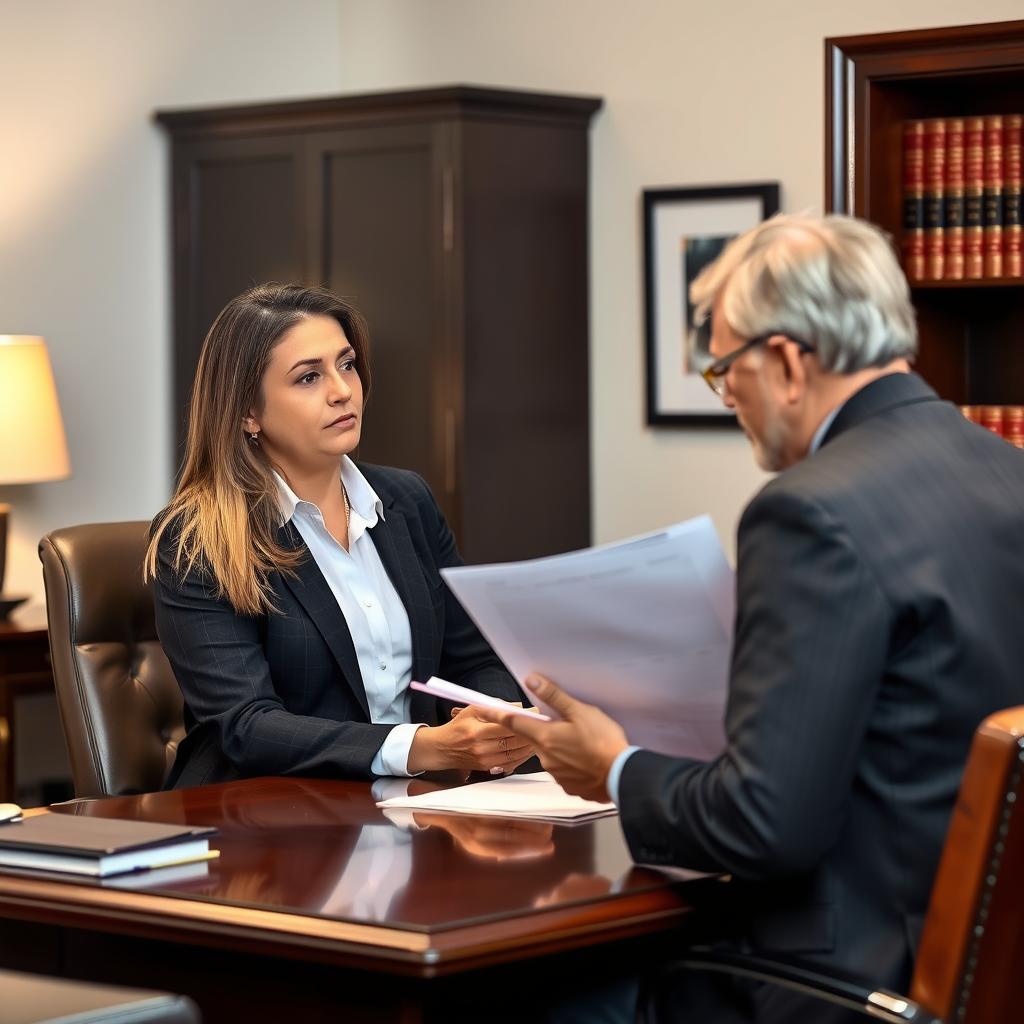
Property Dispute Lawyer Jefferson County
You need a Property Dispute Lawyer Jefferson County to handle boundary conflicts, easement issues, or adverse possession claims. Law Offices Of SRIS, P.C.—Advocacy Without Borders. provides direct legal counsel for these complex matters. Our team understands New York real property law and local Jefferson County court procedures. We develop clear strategies to protect your land rights and financial interests. Schedule a Consultation by appointment to review your specific property dispute. (Confirmed by SRIS, P.C.)
Statutory Definition of Property Disputes in New York
New York Real Property Actions and Proceedings Law (RPAPL) Article 15 governs actions to compel the determination of a claim to real property. This statute provides the legal framework for resolving disputes over title, boundaries, and ownership rights in Jefferson County. A Property Dispute Lawyer Jefferson County uses this law to file a quiet title action or seek declaratory judgment. The goal is to obtain a court order that definitively states who owns the land and what their rights are. Other relevant statutes include RPAPL Article 6 for partition actions and New York Real Property Law for easement and covenant issues. These laws define the legal remedies available to property owners in conflict.
RPAPL Article 15 — Civil Action — Resolution of Title and Possession. This is the primary statutory vehicle for settling property disputes in New York State, including Jefferson County. It allows a person with an estate or interest in real property to maintain an action against any other person who claims an adverse estate or interest. The court can compel the determination of any claim adverse to that of the plaintiff. The final judgment acts as a binding declaration of the parties’ rights. This legal clarity is essential for selling, financing, or developing property.
What constitutes an adverse claim under New York law?
An adverse claim is any assertion of a right, title, or interest in property that conflicts with your ownership. This includes a neighbor building a fence over your surveyed line. It also includes a claim of an unrecorded easement for driveway access. A former owner or heir contesting a deed transfer is another example. A Jefferson County property dispute attorney can assess if a claim is legally “adverse” and actionable.
How does New York law handle boundary line disputes?
Boundary disputes are typically resolved under RPAPL or through an action for ejectment or trespass. The court will examine deeds, surveys, and historical use. Acquiescence to a fence line for a long period can establish a new boundary. A property line lawyer in Jefferson County will gather all relevant survey and title evidence. The court may order a new survey at the expense of the losing party.
What is the legal basis for an easement by prescription claim?
An easement by prescription arises from open, notorious, continuous, and hostile use of another’s land for at least ten years. New York law requires this use to be without the owner’s permission. This is a common issue in rural and lakefront properties in Jefferson County. A property dispute lawyer near me Jefferson County can challenge the elements of such a claim. Defenses include proving permissive use or interrupting the continuous use period. Learn more about Virginia legal services.
The Insider Procedural Edge in Jefferson County Courts
Property dispute cases in Jefferson County are heard in the New York State Supreme Court, which has jurisdiction over real property actions. The Jefferson County Courthouse is located at 175 Arsenal Street, Watertown, NY 13601. Filing a property action requires precise adherence to New York Civil Practice Law and Rules (CPLR). You must file a summons and complaint with the County Clerk and pay the required filing fee. The procedural timeline from filing to trial can span many months, depending on case complexity. Local rules may require a preliminary conference to set discovery schedules. Understanding the tendencies of the local bench is crucial for strategic motion practice.
What is the typical timeline for a property dispute case in Jefferson County?
A standard property dispute can take 12 to 24 months from filing to a final judgment. The discovery phase for exchanging surveys, deeds, and experienced reports is lengthy. Motions for summary judgment may be filed to resolve clear legal issues early. The court’s trial calendar in Jefferson County can create additional delays. An affordable property dispute lawyer Jefferson County can work to simplify this process where possible.
What are the key filing requirements for a quiet title action?
You must file a verified complaint describing the property and all adverse claims with particularity. A current abstract of title or title report is often required as an exhibit. All individuals and entities with a potential interest in the property must be named as defendants. This includes adjacent landowners and any lienholders. Service of process must comply with strict New York statutory rules.
How are local judges likely to view survey evidence?
Judges in Jefferson County give significant weight to recent surveys performed by licensed professional land surveyors. Surveys that conflict will lead the court to examine the surveyors’ methodologies and foundational data. Judges often order disputing parties to split the cost of a new, mutually-agreed-upon survey. The court may adopt the findings of a court-appointed surveyor. Presenting clear, unambiguous survey evidence is a primary task for your counsel. Learn more about criminal defense representation.
Penalties, Outcomes, and Defense Strategies
The most common outcome in a property dispute is a court order defining rights, not a financial penalty. However, losing a case can result in significant financial loss and legal costs. You could lose a portion of your land, be forced to remove structures, or grant an easement. The court may award costs and disbursements to the prevailing party. In cases of intentional trespass or slander of title, monetary damages may be awarded. A strategic defense focuses on proving your superior title or defeating the elements of the other party’s claim.
| Potential Outcome | Legal Consequence | Practical Impact |
|---|---|---|
| Loss of Quiet Title Action | Court denies your claim to clear title. | Cannot sell or finance property without resolving the cloud on title. |
| Adverse Possession Established | Court awards title of your land to another. | You permanently lose ownership of the disputed parcel. |
| Easement by Prescription Granted | Court grants another a permanent right to use your land. | Your use and enjoyment of your property is permanently restricted. |
| Boundary Line Adjusted | Court redefines the legal property line. | You lose land area, possibly including improvements like sheds or fences. |
| Partition Action Granted | Court orders the sale of co-owned property. | You are forced to sell your property, possibly at an inopportune time. |
[Insider Insight] Jefferson County prosecutors are not typically involved in civil property disputes. The local bar and judiciary, however, have extensive experience with land issues common to the North Country. Disputes often involve lakefront access, old farm boundaries, and rights-of-way for landlocked parcels. The court looks favorably on parties who demonstrate a willingness to settle through mediation before trial. Presenting a clear chain of title from a reputable abstract company is a fundamental advantage.
What are the cost consequences of losing a property dispute?
You will be responsible for your own attorney’s fees and costs, which can be substantial. The court may order you to pay the prevailing party’s “costs and disbursements.” These are specific statutory fees for filing, process serving, and transcripts. You may also be liable for the cost of a court-ordered survey. The greatest cost is often the loss of property value or usable land.
Can I recover my attorney’s fees if I win?
New York follows the “American Rule” where each side pays its own attorney’s fees unless a contract or statute says otherwise. Some property disputes involve contracts with fee-shifting provisions. A statute may allow fee recovery in cases involving frivolous claims or slander of title. Your Jefferson County property dispute attorney will advise if fee recovery is a possibility. Do not assume winning the case means the other side pays your legal bill. Learn more about DUI defense services.
How does a property dispute affect my ability to sell my land?
Any pending lawsuit or known adverse claim creates a “cloud on title.” Title companies will not issue a clear title insurance policy until the dispute is resolved. This makes the property nearly impossible to sell on the open market. A buyer may back out of a contract upon learning of the dispute. Resolving the issue through litigation or settlement is necessary for marketable title.
Why Hire SRIS, P.C. for Your Jefferson County Property Dispute
Our lead attorney for property matters has over fifteen years of experience litigating complex real estate titles. This attorney has handled numerous adverse possession and boundary dispute cases across New York State. We apply this deep knowledge of real property law to your Jefferson County case. SRIS, P.C. takes a direct, evidence-first approach to building your legal position. We secure the best available survey and title evidence to support your claim. Our goal is to resolve your dispute efficiently, through negotiation or assertive litigation.
Designated Counsel for Property Disputes: Our firm assigns attorneys with specific background in real property law and local procedure. While specific case results for Jefferson County are not enumerated, our approach is grounded in statutory knowledge and tactical filing. We prepare every case as if it will be tried before a Jefferson County judge. We explain the legal process and potential outcomes in clear, direct terms. Your case strategy is developed during a Consultation by appointment at our New York Location.
Localized Jefferson County Property Dispute FAQs
What is the most common type of property dispute in Jefferson County?
Boundary line disputes are very common, often arising from conflicting surveys or old fence lines. Lakefront access and right-of-way easements are also frequent sources of conflict. Disputes over shared driveways or septic systems occur regularly. Adverse possession claims on rural or wooded parcels are another common issue. Learn more about our experienced legal team.
How long does someone have to use my land to claim adverse possession in New York?
The statutory period for adverse possession in New York is ten years of continuous use. The use must be open, notorious, exclusive, and without your permission. Mere occasional use or use you permitted will not establish a claim. The law changed in 2008, making claims harder to prove for uses after that date.
Do I need a new survey for my property dispute case?
Yes, a current survey from a licensed professional is almost always necessary. An old survey may not reflect changes or may be based on outdated methods. The court will require precise, modern evidence of property lines. Your attorney will recommend a reputable local surveyor familiar with Jefferson County records.
Can a property dispute be settled without going to court?
Many property disputes are resolved through negotiation or mediation before a trial. A settlement agreement can define boundaries or easements and is recorded with the deed. This is often faster and less expensive than litigation. SRIS, P.C. will always explore settlement options that protect your key interests.
What should I bring to my first meeting with a property dispute lawyer?
Bring your deed, any existing surveys, and any correspondence with the other party. Photographs of the disputed area and any structures are very useful. Bring a copy of your title insurance policy if you have one. Any old maps or records about the property’s history can also be valuable.
Proximity, Contact, and Final Disclaimer
SRIS, P.C. provides legal advocacy for clients throughout Jefferson County, New York. Our New York Location is positioned to serve clients in Watertown, Carthage, Adams, and all surrounding communities. Procedural specifics for Jefferson County are reviewed during a Consultation by appointment at our Location. Consultation by appointment. Call 24/7. Our team is ready to discuss the facts of your property conflict. We will provide a direct assessment of your legal position and options.
Law Offices Of SRIS, P.C.
—Advocacy Without Borders.
Consultation by appointment. Call 24/7.
Past results do not predict future outcomes.