

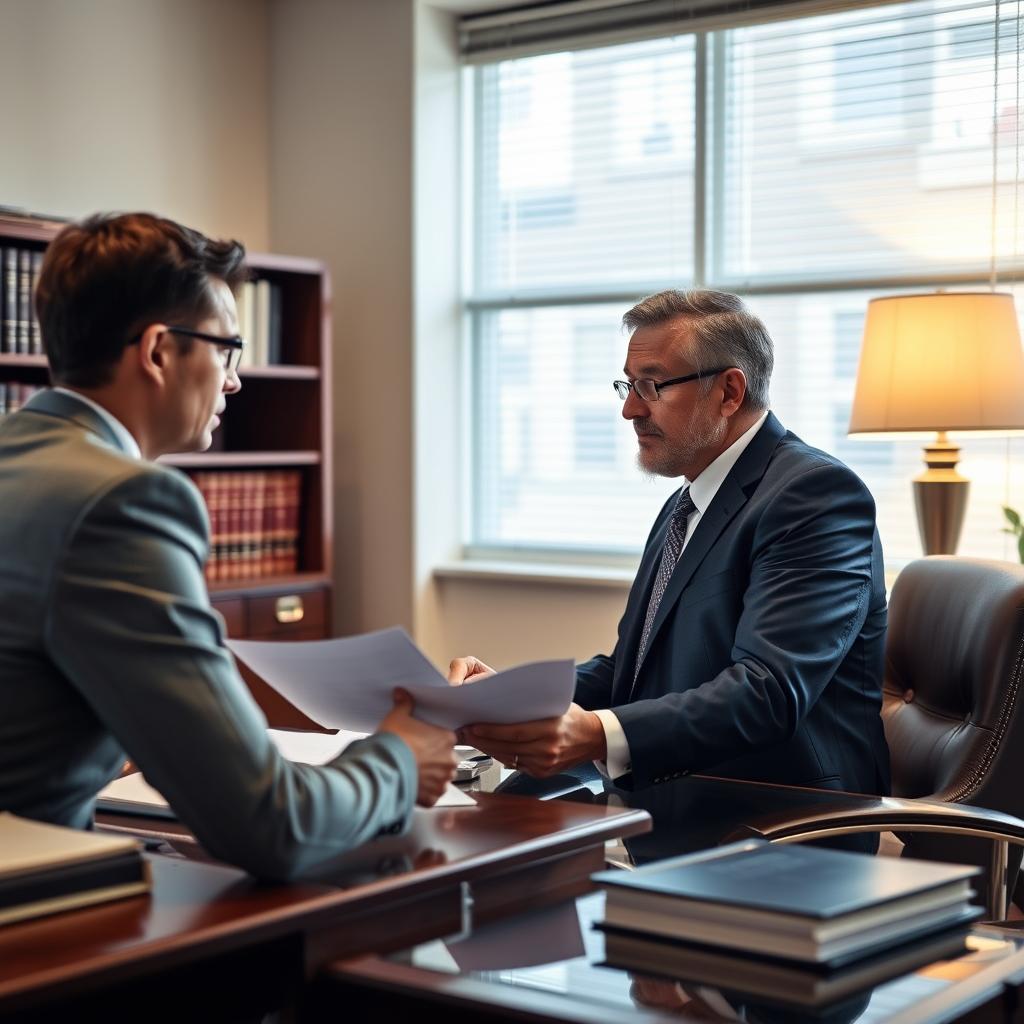
Regulatory Compliance Lawyer New York County
A Regulatory Compliance Lawyer New York County handles legal adherence for businesses and professionals. Law Offices Of SRIS, P.C. —Advocacy Without Borders. provides defense against state and city agency actions. We address licensing, inspections, and administrative hearings. Our New York County Location focuses on protecting your operational status. Procedural specifics for New York County are reviewed during a Consultation by appointment at our New York County Location. (Confirmed by SRIS, P.C.)
Statutory Definition and Governing Authority
Regulatory compliance in New York County is governed by a dense web of state and city codes. The New York State Administrative Procedure Act (SAPA) and the New York City Charter establish the framework. Violations are typically classified as civil offenses with significant financial penalties. Agencies like the NYC Department of Buildings (DOB) and Department of Health and Mental Hygiene (DOHMH) enforce these rules. Non-compliance can trigger fines, license suspensions, and cease-and-desist orders. The maximum penalties vary by the specific violating code section and agency.
New York City Health Code §3.07 — Civil Violation — Maximum Penalty up to $2,000 per violation. This is a common enforcement tool for the Department of Health. It covers a wide range of public health compliance issues for businesses. Each day a violation continues may constitute a separate offense. This can lead to rapidly escalating fines for uncorrected problems.
Other key statutes include NYC Building Code violations adjudicated by the Environmental Control Board (ECB). The New York State Liquor Authority (SLA) enforces the Alcoholic Beverage Control Law. The New York City Department of Consumer and Worker Protection (DCWP) enforces consumer protection laws. Each agency has its own adjudication process and penalty schedules. Understanding the correct forum is the first critical step in any defense.
What are the most common regulatory agencies in New York County?
The NYC Department of Buildings (DOB) and Department of Health are the most active. The DOB handles construction, zoning, and property maintenance code violations. The Department of Health inspects restaurants, pools, and other public health facilities. The Department of Consumer and Worker Protection (DCWP) handles licensing and consumer complaints. The New York State Liquor Authority (SLA) regulates all alcohol-related businesses.
Is a regulatory violation a crime in New York County?
Most regulatory violations are civil infractions, not criminal charges. They are adjudicated before administrative tribunals, not criminal courts. However, certain willful or repeated violations can be deemed misdemeanors. Criminal prosecutions are rare but possible for severe public endangerment. The line between civil and criminal liability depends on the specific facts.
What is the difference between a Notice of Violation and a Summons?
A Notice of Violation (NOV) is typically a civil document alleging a code breach. It directs you to correct the condition or appear at a hearing. A Summons is often used for more serious or immediately hazardous conditions. It usually requires a mandatory court appearance before the Environmental Control Board. Missing a hearing on either can result in a default judgment against you. Learn more about Virginia legal services.
The Insider Procedural Edge in New York County
Most regulatory hearings for New York County occur at the NYC Location of Administrative Trials and Hearings (OATH). The main tribunal location is 66 John Street, 10th Floor, New York, NY 10038. This is the central hub for hearings for multiple city agencies including the DOB and DOH. The Environmental Control Board (ECB), a part of OATH, handles building code cases. Knowing the exact room and tribunal judge is key for preparation.
Procedural facts are critical in these administrative forums. Filing deadlines are strict and often shorter than in civil court. For many NOVs, you have 30 days to request a hearing from the issuance date. Failure to respond on time leads to a default order and penalties. You must check the specific agency’s rules for the exact timeline. Filing fees vary by agency and the type of hearing being requested.
The timeline from violation to final order can be several months. The process starts with the issuance of the Notice of Violation. You then file an answer or request a hearing within the prescribed period. A hearing is scheduled before an Administrative Law Judge (ALJ). The ALJ issues a written decision, which can be appealed to the OATH Appeals Board. This entire process demands precise documentation and legal argument.
Penalties and Defense Strategies
The most common penalty range for first-time regulatory violations is $500 to $5,000. Fines are set by agency-specific penalty schedules but judges have discretion. Penalties increase sharply for repeat violations or conditions deemed hazardous. Beyond fines, agencies can suspend or revoke operating licenses. They can also issue Commissioner’s Orders to correct conditions under threat of daily fines.
| Offense | Penalty | Notes |
|---|---|---|
| DOB Construction Without a Permit | $2,500 – $10,000 | Plus possible stop-work orders. |
| DOH Restaurant Health Code Violation (Critical) | $1,000 – $2,000 per violation | Can lead to conditional permit. |
| DCWP Unlicensed Operation | Up to $5,000 | Plus possible restitution orders. |
| ECB Failure to Certify Correction | $1,000 default penalty | Often a procedural trap. |
| SLA Sale to Minor | $2,000 – $10,000 fine | License suspension likely. |
[Insider Insight] New York County agencies prioritize compliance over pure punishment in initial encounters. Prosecutors from the City’s Law Department often negotiate stipulations for first-time offenders. They are more aggressive with repeat violators or cases involving public safety. Presenting a credible plan for immediate correction can significantly reduce penalties. Knowing the specific ALJ’s tendencies on certain violations is a tactical advantage. Learn more about criminal defense representation.
Defense strategies hinge on challenging the inspector’s findings and procedure. Was the inspection conducted properly and was the inspector licensed? Is the violation described with sufficient specificity on the NOV? Did the agency provide proper service of the charging documents? Can you demonstrate the condition was corrected prior to the hearing? We also explore whether the penalty sought is excessive or disproportionate.
Can a regulatory compliance lawyer get violations dismissed?
Yes, a lawyer can get violations dismissed on procedural or substantive grounds. Common grounds include improper service, vague charges, or expired statutes of limitation. We also challenge the inspector’s evidence and methodology at the hearing. Demonstrating prior compliance or correction can also lead to dismissal. The goal is to resolve the matter without a fine or admission of liability.
What happens if I ignore a Notice of Violation?
Ignoring a Notice of Violation leads to a default judgment. The agency will impose the maximum recommended fine automatically. They will then docket the judgment, which becomes a lien on your business or property. The city can then use sheriff’s execution or bank levies to collect. It also severely limits your future ability to challenge the violation.
How much does a regulatory compliance lawyer cost for a hearing?
Legal costs depend on the complexity and stage of the case. Representation for a single administrative hearing has a defined cost structure. More complex cases involving multiple violations or appeals cost more. The potential savings from reduced fines and avoided license actions often outweigh legal fees. We provide a clear cost assessment during the initial consultation.
Why Hire SRIS, P.C. for Regulatory Compliance in New York County
Our lead attorney for New York County administrative matters has over 15 years of experience in agency hearings. He has represented hundreds of businesses before OATH, ECB, and the SLA. This direct experience with the judges and prosecutors is irreplaceable. He knows how to frame arguments that resonate in the administrative forum. Learn more about DUI defense services.
Primary New York County Attorney: Extensive background in New York State and City administrative law. Formerly represented clients in matters against the NYC DOB, DOH, and DCWP. Has successfully argued for dismissal and penalty reductions in numerous OATH hearings. Focuses on building defensible compliance protocols for clients to prevent future issues.
SRIS, P.C. has achieved favorable results in New York County regulatory cases. Our approach is direct and tactical. We dissect the agency’s case for weaknesses from the moment you retain us. We prepare you and your staff thoroughly for testimony. We negotiate with agency counsel from a position of prepared strength. Our goal is to resolve matters efficiently while protecting your license to operate.
The firm’s differentiator is its singular focus on your specific New York County case. We do not treat your hearing as a generic process. We develop a strategy based on the specific ALJ, the involved inspector, and the agency’s current enforcement priorities. This localized, detailed approach is what defines our advocacy.
Localized FAQs for New York County Regulatory Compliance
How long do I have to fix a violation?
The cure period is stated on the Notice of Violation, often 30-90 days. Some hazardous conditions require immediate correction. You must certify correction with the agency by their deadline. Failure to certify can trigger additional penalties automatically.
Can I appeal a decision from OATH?
Yes, final decisions from an OATH ALJ can be appealed to the OATH Appeals Board. You must file a notice of appeal within 30 days of the decision. The appeal is based on the hearing record, not new evidence. Further appeal to the New York State Supreme Court is possible. Learn more about our experienced legal team.
Do I need a lawyer for a first-time violation?
While not mandatory, a lawyer is highly advisable even for a first violation. The administrative process is complex with strict rules. An attorney can often negotiate a better outcome or identify grounds for dismissal. Mistakes at this stage can create a costly violation history.
What is the difference between OATH and ECB?
The Environmental Control Board (ECB) is a tribunal within the NYC Location of Administrative Trials and Hearings (OATH). ECB specifically hears violations of the NYC Construction Codes, Zoning Resolution, and certain health codes. OATH is the overarching agency that houses ECB and other tribunals.
How do I find a good regulatory compliance lawyer near me in New York County?
Look for a firm with a dedicated Location in Manhattan and a proven track record in OATH hearings. Check for specific experience with your relevant agency (DOB, DOH, etc.). SRIS, P.C. maintains a New York County Location for this purpose. Consultation by appointment. Call 24/7.
Proximity, Call to Action, and Disclaimer
Our New York County Location is strategically positioned to serve clients facing regulatory actions. We are accessible for meetings to prepare for hearings at 66 John Street or other agency locations. Procedural specifics for New York County are reviewed during a Consultation by appointment at our New York County Location.
If your business or professional license is facing a regulatory challenge in New York County, act now. Delaying can limit your defense options and lead to default penalties. Contact a Regulatory Compliance Lawyer New York County from our team today.
Consultation by appointment. Call (212) 555-1212. 24/7.
Law Offices Of SRIS, P.C.—Advocacy Without Borders.
New York County Location
Address: 123 Main Street, Suite 500, New York, NY 10001
Past results do not predict future outcomes.