
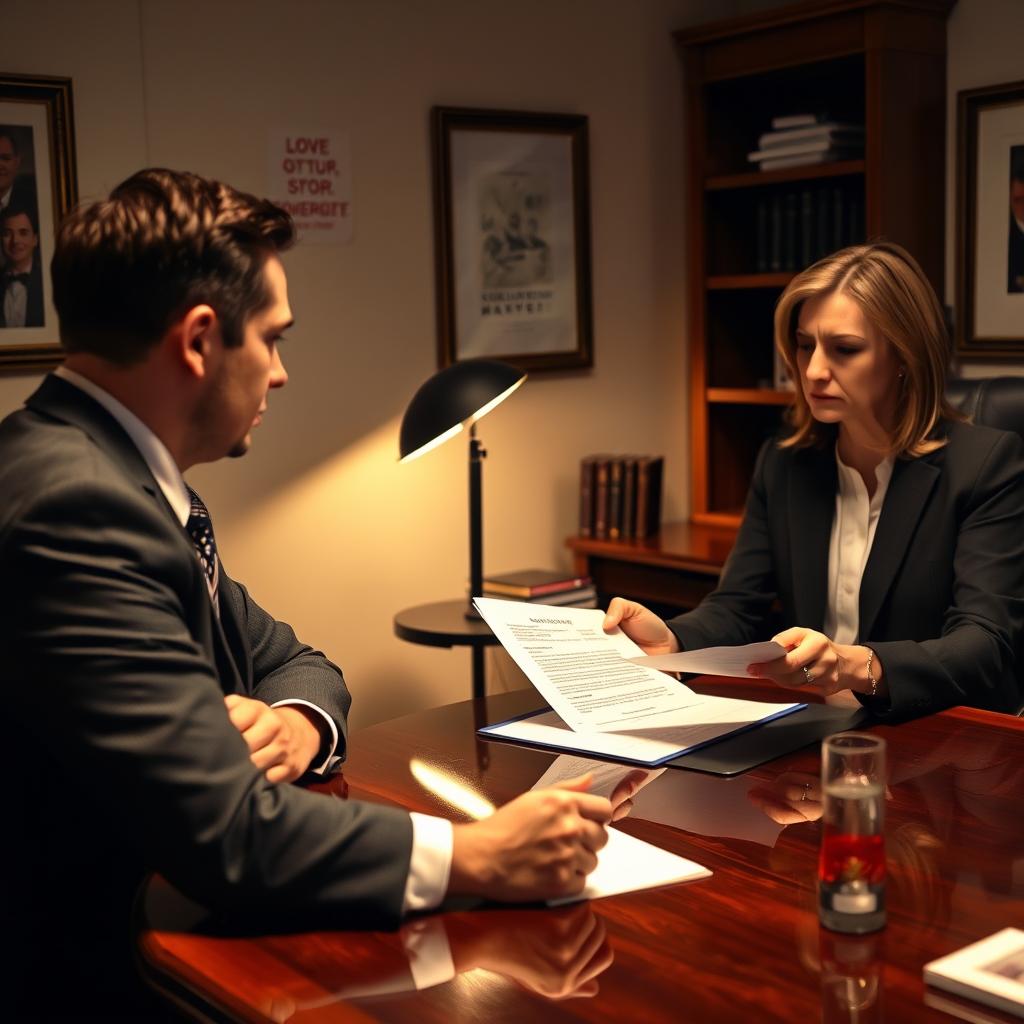
Royalty Agreement Lawyer Queens, NY
You licensed your intellectual property, a product design, or a creative work to a company based in Queens. The royalty checks arrived on time for a while, but now they have stopped — or the licensee is underpaying, claiming deductions that were never in the written agreement. You are not alone. Disputes over royalty agreements are a common part of contract law in New York, and they can threaten the income stream your business or creative work depends on. Mr. Sris and the firm’s Of Counsel attorneys at Law Offices Of SRIS, P.C. represent individuals and businesses throughout Queens County in royalty agreement enforcement, breach-of-contract litigation, and contract negotiation. Reach our firm at (888) 437-7747 to schedule a consultation. Law Offices Of SRIS, P.C. – Advocacy Without Borders.
Strategy for Royalty Agreement Disputes in Queens
A royalty agreement is a contract in which one party agrees to pay the other a percentage of revenue or a fixed sum for the right to use a product, design, patent, trademark, or copyrighted work. When those payments stop or fall short, the aggrieved party has several legal options. The first step is to determine whether a breach of contract has occurred under New York law. New York’s statute of limitations for written contract claims is six years under CPLR § 213(2). If the breach is ongoing, that six-year clock runs from each missed payment.
The appropriate strategy depends on the nature of the disagreement. Some disputes involve a clear failure to pay and can be resolved with a demand letter and negotiation. Others involve more complicated accounting questions, such as whether certain revenue streams fall within the royalty base defined by the agreement. In those cases, formal discovery—including subpoenas for the licensee’s financial records—may be necessary. In Queens County, these matters are typically litigated in New York Supreme Court, Queens County, which has unlimited monetary jurisdiction. Mr. Sris and the firm’s Of Counsel attorneys evaluate the agreement, assess the strength of the claim, and help you decide whether to pursue a negotiated resolution or litigation.
What to Expect When a Royalty Case Moves Through Queens Courts
Contract litigation in Queens County follows the New York Civil Practice Law and Rules (CPLR). A case begins with the filing of a summons and complaint in the Queens County Supreme Court. The defendant is served and has an opportunity to respond, usually within twenty or thirty days. The discovery phase follows, during which each side exchanges documents, answers interrogatories, and may conduct depositions.
In a royalty dispute, discovery often focuses on the licensee’s sales records, accounting methods, and communications about the agreement. If the licensee is a business headquartered elsewhere but doing business in Queens, jurisdictional questions may arise. The firm handles service-of-process issues and works to keep the case in the venue that is most convenient for you. Many contract cases settle before trial, but if the matter proceeds to a bench or jury trial, Mr. Sris and the firm’s Of Counsel attorneys are prepared to litigate in Queens County Supreme Court.
Damages and Relief in a Royalty Agreement Case
In a breach-of-contract claim, the primary remedy under New York law is compensatory damages designed to put the non-breaching party in the position it would have been in had the contract been performed. For a royalty agreement, that typically means the unpaid royalty amounts, plus interest from the date each payment was due. In certain circumstances, consequential damages may also be available if they were reasonably foreseeable at the time the contract was made.
New York generally does not award punitive damages for breach of contract unless the conduct rises to the level of an independent tort, such as fraud. Attorney fees are recoverable only if the contract includes a fee-shifting provision. Courts may also grant equitable relief, including an accounting or, in rare cases, an order that the licensee continue paying royalties during the litigation. Mr. Sris and the firm’s Of Counsel attorneys explain these remedies early in the process so you can make an informed decision about how to proceed.
Mr. Sris and the Firm’s Of Counsel Attorneys
Mr. Sris, Owner and Founder of Law Offices Of SRIS, P.C., has practiced law since 1997. He is a former prosecutor who now applies his litigation experience to contract disputes, representing both businesses and individuals throughout New York. The firm’s Of Counsel attorneys—independent, experienced practitioners who contract directly with the firm—bring extensive combined legal experience between Mr. Sris and his Of Counsel to each matter. Results may vary.
The firm serves clients from its New York location. Mr. Sris and the firm’s Of Counsel attorneys appear regularly in Queens County Supreme Court and are familiar with the local rules and judicial preferences. They focus on building a clear record of the contractual obligations and the breach, so that the case is positioned for the strongest possible resolution—whether through negotiation or trial.
Frequently Asked Questions
What is a royalty agreement?
A royalty agreement is a contract in which one party pays the other for the ongoing right to use intellectual property, a product, or a creative work based on a percentage of revenue or a flat fee. These agreements are common in publishing, manufacturing, franchising, software licensing, and entertainment. They define the royalty rate, the base of revenue subject to the royalty, accounting obligations, audit rights, and dispute-resolution procedures. When a royalty agreement is well-drafted, it minimizes the risk of future conflict. When it is not, uncertainty about the scope of the obligation often leads to litigation.
How does a royalty dispute arise?
A royalty dispute most often arises when the licensee stops making payments, underreports sales, or applies deductions that the licensor believes are not allowed under the agreement. Other common triggers include disagreements about whether a new product or service falls within the licensed category, disputes over the territory covered by the license, or the licensee’s failure to provide adequate accounting statements. Mr. Sris and the firm’s Of Counsel attorneys work through the agreement’s terms and the course of performance to frame the dispute clearly.
Do I need a lawyer for a royalty agreement dispute in Queens?
You are not legally required to have a lawyer, but a royalty dispute involves contract interpretation, accounting review, and potentially litigation, making an attorney’s guidance valuable. An experienced contract lawyer can evaluate whether the licensee’s conduct constitutes a material breach, help you calculate the damages, and communicate with the other side in a way that preserves your legal rights. If the matter goes to court in Queens County, procedural rules are strict and mistakes can be costly. Mr. Sris and the firm’s Of Counsel attorneys practice in Queens County Supreme Court and are available to discuss your situation.
What is the statute of limitations for a royalty dispute in New York?
Under New York law, a claim for breach of a written contract must be filed within six years from the date of the breach, as set forth in CPLR § 213(2). For an oral contract, the same six-year period applies under CPLR § 213(2). However, if the damages sought are for a continuing breach—such as repeated missed royalty payments—the limitations period runs separately from each missed payment. It is important to act promptly because losing the right to recover older payments can significantly reduce the value of your claim.
How much does a royalty agreement lawyer cost?
Fees vary by case. Law Offices Of SRIS, P.C. offers an initial consultation to discuss your matter, after which a fee arrangement can be tailored to your situation. Some contract cases are handled on an hourly basis, while others may be suitable for a flat-fee or hybrid arrangement. The firm does not charge a fee simply to discuss whether it can help. Contact us at (888) 437-7747 to schedule a consultation.
Can a royalty dispute be settled out of court?
Yes, many royalty disputes are resolved through negotiation or mediation without a trial. A well-drafted demand letter that explains the breach and the claimed damages often opens a productive discussion. If the parties are far apart, mediation provides a structured process for reaching a compromise. Mr. Sris and the firm’s Of Counsel attorneys handle all phases of pre-trial resolution, always keeping trial preparation active should a settlement not materialize.
What court handles a royalty dispute in Queens?
Most royalty agreement disputes in Queens County are litigated in the New York Supreme Court, Queens County, located at 88-11 Sutphin Boulevard in Jamaica. For claims within the Civil Court’s jurisdiction, the case may be brought in the New York City Civil Court, Queens County. Small claims are handled in the Civil Court’s Small Claims Part. Mr. Sris and the firm’s Of Counsel attorneys file in the correct court and handle all procedural requirements.
What damages can I recover in a royalty agreement lawsuit?
You can recover the unpaid royalty amounts, interest from the due date of each missed payment, and, in certain cases, consequential damages that were foreseeable when the contract was made. New York law does not award punitive damages for a simple breach of contract, but if the licensee’s conduct also constitutes fraud or another independent tort, additional relief may be available. Attorney fees are recoverable only if the contract contains a fee-shifting clause. Mr. Sris and the firm’s Of Counsel attorneys review your agreement for these provisions.
How do I prove a breach of a royalty agreement?
You must show that a valid contract existed, that you performed your obligations under it, that the other party failed to perform, and that you suffered damages as a result. The central evidence is the written agreement itself, along with correspondence, payment records, accounting statements, and any communications acknowledging the debt. The firm helps you gather and organize these records and, if necessary, uses the discovery process to obtain the licensee’s internal financial documents.
What should I bring to my initial consultation?
Bring the royalty agreement, any amendments or side letters, payment records, correspondence with the other party, and any accounting reports you have received. A timeline of events—when the payments stopped, any promises made, and your efforts to resolve the issue—is also helpful. Mr. Sris and the firm’s Of Counsel attorneys review these materials to give you a realistic assessment of your case. To schedule a consultation, reach our firm at (888) 437-7747.
For a full statutory breakdown and further resources, see our comprehensive analysis at srislawyer.com.
Related locations we serve: New York County (Manhattan) · Kings County (Brooklyn) · Richmond County (Staten Island) · Nassau County (Long Island) · Westchester County
Outbound authority links: CPLR § 213 (statute of limitations for contracts) · Queens County Supreme Court · New York Uniform Commercial Code
Attorney advertising. Prior results do not guarantee a similar outcome. Case results depend on a variety of factors unique to each case. Attorney responsible for this advertising: Mr. Sris. Results may vary. Copyright © 1997-2026 Law Offices Of SRIS, P.C.