

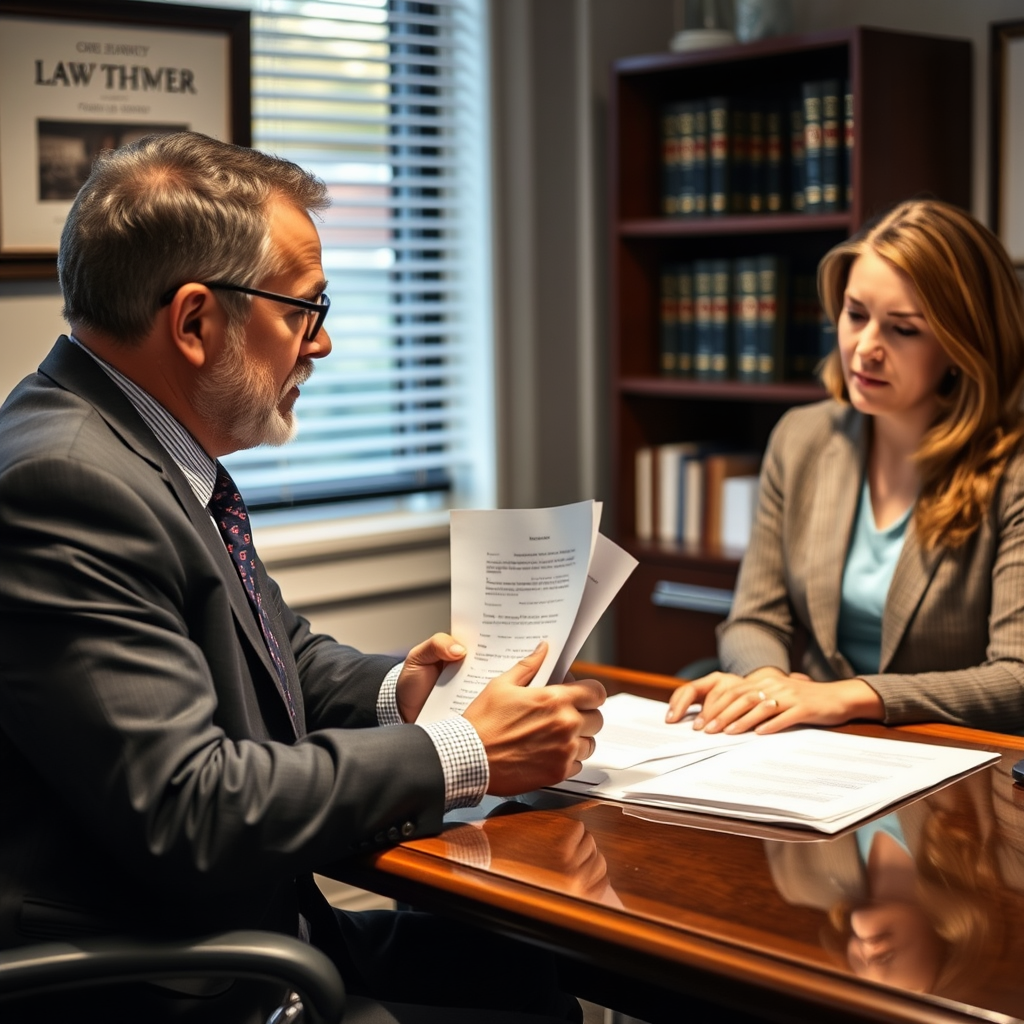
Securing Futures: Your Special Needs Trust Lawyer in Monroe County, NY
As of January 2026, the following information applies. In Monroe County, establishing a Special Needs Trust involves creating a legal arrangement to provide for a loved one with disabilities without jeopardizing their eligibility for essential government benefits. This trust allows for supplemental financial support, ensuring their quality of life. The Law Offices Of SRIS, P.C. provides dedicated legal assistance for these matters.
Confirmed by Law Offices Of SRIS, P.C.
What is a Special Needs Trust in Monroe County, NY?
Imagine leaving money for a loved one with a disability, only for those funds to disqualify them from vital government assistance like Medicaid or SSI. A Special Needs Trust (SNT) is a specialized legal tool designed to hold assets for a disabled individual without impacting their eligibility for essential public programs. The trust’s funds cover supplemental needs—therapies, education, or improved living situations—items not typically covered by government benefits. In Monroe County, like all of New York, SNTs are governed by specific state and federal laws. Getting it right is fundamental to protecting your loved one’s future, ensuring their comfort and dignity.
Think of it as a protected financial reservoir. Assets within this trust aren’t directly owned by your loved one, so they don’t count towards asset limits for public benefits. Instead, a trustee manages these funds, disbursing them for approved expenses that truly enhance the beneficiary’s life. This legal distinction makes SNTs powerful and often necessary for long-term planning for individuals with special needs. Without one, families often face the difficult choice of an inheritance causing disqualification or disinheritance. An SNT offers a secure third path.
There are generally two types: a First-Party SNT (funded by the beneficiary’s own assets) and a Third-Party SNT (funded by others, like parents). Each has distinct rules, particularly regarding Medicaid payback provisions upon the beneficiary’s passing. Understanding these nuances is vital for anyone considering an SNT in Monroe County, NY, as incorrect choices can lead to unintended consequences. It’s about structuring support correctly to maximize benefit and protection, ensuring your provision genuinely helps.
Blunt Truth: Without a properly established Special Needs Trust, substantial assets left to a loved one with disabilities could easily cause them to lose crucial government benefits for medical care, housing, and income. State and federal rules are strict. Knowledgeable legal counsel is essential to effectively manage this legal terrain, ensuring your act of provision helps, rather than harms, their eligibility. This offers invaluable peace of mind.
Takeaway Summary: A Special Needs Trust in Monroe County, NY, is a vital legal tool protecting assets for individuals with disabilities, allowing them to receive supplemental support without losing government benefits. (Confirmed by Law Offices Of SRIS, P.C.)
How to Establish a Special Needs Trust in Monroe County, NY?
Establishing a Special Needs Trust (SNT) in Monroe County, New York, requires careful consideration and adherence to critical steps. This ensures it’s legally sound, effectively serves its purpose, and complies with all state and federal regulations. A knowledgeable approach is essential to avoid pitfalls that could jeopardize your loved one’s benefits. Here’s a breakdown of the typical steps involved:
-
Define the Beneficiary’s Needs and Eligibility: Begin by thoroughly understanding the individual’s disability, their current and anticipated needs, and existing or potential government benefits (e.g., SSI, Medicaid). This foundational step ensures the trust is precisely tailored to their situation, providing appropriate support without negatively impacting public assistance eligibility. It’s about understanding their long-term well-being.
-
Choose the Right Type of SNT: Decide between a First-Party (self-settled) or Third-Party SNT based on who funds the trust. If the beneficiary’s own assets are used, a First-Party SNT with its Medicaid payback provision is necessary. For funds from parents or others, a Third-Party SNT is generally preferred as it avoids the payback requirement. This fundamental decision has significant long-term financial implications for the family.
-
Select a Trustee: This is a critical responsibility. The trustee manages the trust’s assets and makes distributions. They must be financially capable, organized, and deeply committed to the beneficiary’s well-being, understanding SNT rules to prevent negative impacts on government benefits. Many families choose a professional or trusted family member, often naming a successor. The trustee’s competence is vital to the SNT’s success.
-
Draft the Trust Document: This requires invaluable legal counsel. The SNT must be meticulously drafted to meet all New York State and federal legal requirements. It must explicitly state its supplemental purpose and include specific compliance language. The document outlines the trustee’s powers, permissible fund uses, and asset distribution upon passing. This is not a DIY task; precise legal language is essential to avoid future complications.
-
Fund the Trust: After signing and notarizing, the trust must be properly funded by transferring assets (money, property, investments) into its name. Simply creating the document is not enough; assets must be retitled under the trust. This can involve changing beneficiary designations on insurance, direct transfers of bank accounts, or retitling real estate. Proper funding makes the SNT operational.
-
Ongoing Administration and Review: An SNT demands continuous management. The trustee must manage investments, maintain detailed records, and distribute funds according to the trust’s terms and government benefit rules. Laws and personal circumstances can change, so periodic legal review is wise to ensure ongoing compliance and adaptation to the beneficiary’s evolving needs. Regular maintenance ensures continued smooth operation and lasting security.
Establishing a Special Needs Trust can feel overwhelming, but by breaking it into these manageable steps and collaborating with knowledgeable legal counsel, the process becomes clearer. The ultimate goal is a secure future for your loved one, and a well-structured SNT is an effective tool to achieve this with confidence.
Can I Protect My Loved One’s Future Without Jeopardizing Their Benefits in Monroe County, NY?
Yes, absolutely. This is the primary concern for most Monroe County families planning for a loved one with special needs. The fear of inadvertently causing your loved one to lose vital government benefits—SSI for income, Medicaid for healthcare, or housing assistance—is entirely valid. While direct inheritances often cause such disqualification, a properly structured Special Needs Trust (SNT) is specifically designed to prevent this very outcome, allowing you to provide for their future securely.
Blunt Truth: Many families hesitate or avoid planning due to fear of making a mistake. However, inaction can be the most detrimental choice. Without an SNT, any significant assets left directly to a person with disabilities will almost certainly count against their resource limits. This forces them to “spend down” these assets to regain eligibility, often on items they don’t truly need, or to face a lapse in crucial medical care. This creates immense stress and financial instability.
The key to an SNT is its legal distinction: assets held within the trust are not considered “owned” by the beneficiary for government benefit eligibility. Instead, a trustee manages these funds, making distributions for the beneficiary’s “supplemental needs”—expenses beyond what government programs cover. This legal separation ensures your loved one receives both their government benefits and additional financial support, leading to a richer and more secure quality of life. It’s about leveraging legal frameworks for comprehensive support.
Consider the practical implications. If your loved one receives SSI, their resource limit is very low. Even a modest inheritance could exceed this, leading to loss of income and potentially Medicaid. An SNT prevents this by allowing you to provide for their comfort and future without triggering these strict financial rules. Funds can cover specialized equipment, recreational activities, personal care attendants, or home modifications—life-enhancing supports made possible without risking their fundamental safety net.
Beyond financial protection, an SNT offers profound peace of mind. Parents and guardians often worry intensely about their loved one’s care when they are no longer able to provide it themselves. Knowing an SNT is established and managed by a responsible trustee offers immense relief. It ensures continued care and support, with financial stewardship according to your wishes, long after you are gone. This long-term security is an invaluable benefit, extending far beyond monetary value and providing comfort to the entire family.
While establishing an SNT involves legal complexities, the outcome is profoundly empowering. It enables Monroe County families to fulfill their natural desire to provide for loved ones without undermining existing support systems. It’s smart, compassionate planning that acknowledges the realities of living with a disability today. The goal is always to create a stronger, more stable foundation for your loved one’s life, and an SNT is an effective, legally recognized pathway to achieve exactly that with confidence and clarity.
Why Trust Law Offices Of SRIS, P.C. with Your Special Needs Trust in Monroe County, NY?
When facing the intricate task of establishing a Special Needs Trust, you need more than just legal advice; you need empathetic, knowledgeable guidance from seasoned counsel. At Law Offices Of SRIS, P.C., we recognize the profound care driving families in Monroe County to plan for loved ones with disabilities. We partner with you to create a secure future, approaching each case with dedication.
Mr. Sris, our founder, offers a unique perspective that permeates our practice. As he states, “My focus since founding the firm in 1997 has always been directed towards personally handling the most challenging and complex criminal and family law matters our clients face.” While Special Needs Trusts fall under estate planning, this insight underscores the firm’s commitment to personally addressing difficult legal situations with a focus on client well-being. These matters are deeply personal and represent years of loving care.
We pride ourselves on clear, direct communication, cutting through jargon to provide straightforward information for informed decisions. We’ll guide you through various SNT types, explaining pros and cons as they relate to your family’s unique situation. Our aim is to bring you clarity, transforming initial fear or confusion into a confident, actionable path forward.
Our approach is built on extensive experience in estate planning and a thorough understanding of New York State and federal laws pertaining to Special Needs Trusts and government benefits. We meticulously draft documents to withstand scrutiny, ensuring every clause protects your loved one’s eligibility while providing for supplemental needs. We apply our knowledge strategically to your advantage, ensuring compliance and effectiveness.
Choosing Law Offices Of SRIS, P.C. means selecting a firm that prioritizes your family’s peace of mind. We are here to answer your questions and provide reassurance from having a knowledgeable legal team dedicated to your cause. We know this is about more than money; it’s about dignity, quality of life, and securing a lasting legacy of care for someone you deeply cherish.
For a confidential case review regarding Special Needs Trusts in Monroe County, NY, reach out to us. We are ready to listen and provide the legal support you need.
You can find us in the region at:
Law Offices Of SRIS, P.C.
50 Fountain Plaza, Suite 1400, Office No. 142
Buffalo, NY, 14202, US
Phone: +1-838-292-0003
Call now to schedule your confidential case review and take the first step towards securing your loved one’s future.
Frequently Asked Questions About Special Needs Trusts in Monroe County, NY
Q1: What exactly does a Special Needs Trust pay for?
A Special Needs Trust typically pays for supplemental needs not covered by government benefits, such as therapies, educational expenses, recreation, travel, personal care items, and even certain home modifications. It enhances, not replaces, public assistance programs.
Q2: Will a Special Needs Trust affect my loved one’s Medicaid?
No, a properly structured Special Needs Trust is designed specifically so that the assets within it do not count against your loved one’s resource limits for Medicaid eligibility. This ensures their continued access to vital healthcare benefits.
Q3: Who can serve as a trustee for a Special Needs Trust?
A trustee can be a trusted family member, a friend, or a professional trustee like a bank trust department or a non-profit organization. The trustee must be reliable, financially responsible, and understand the rules of SNTs.
Q4: Can I fund a Special Needs Trust with my loved one’s settlement money?
Yes, but if funded with the beneficiary’s own money (e.g., from a personal injury settlement), it must be a “First-Party” Special Needs Trust, which typically includes a Medicaid payback provision upon the beneficiary’s passing.
Q5: What’s the difference between a First-Party and Third-Party SNT?
A First-Party SNT is funded with the beneficiary’s own assets and includes a Medicaid payback. A Third-Party SNT is funded by others (like parents) and generally does not have a payback provision, offering more flexibility.
Q6: How long does it take to establish a Special Needs Trust?
The timeline varies depending on the complexity of the assets and the specifics of the trust, but it typically involves several weeks to a few months for drafting, signing, and proper funding to ensure all legal requirements are met.
Q7: What happens to leftover funds in the trust after the beneficiary passes away?
For Third-Party SNTs, you can designate residual beneficiaries. For First-Party SNTs, state Medicaid agencies often have the right to recover costs from remaining funds, up to the amount of benefits paid.
Q8: Is a Special Needs Trust only for minors?
No, Special Needs Trusts can be established for individuals of any age, as long as they meet the disability criteria. They are crucial for both children and adults with disabilities to secure their long-term financial future.
Q9: Can I modify a Special Needs Trust after it’s created?
Modifying an SNT depends on the trust’s terms and type. Third-Party SNTs are generally more flexible. First-Party SNTs are often irrevocable and thus harder to modify, emphasizing the importance of initial careful drafting.
Q10: Why do I need a lawyer for a Special Needs Trust?
Special Needs Trusts involve complex state and federal laws related to disability benefits. A knowledgeable lawyer ensures the trust is correctly drafted, legally compliant, and effectively protects your loved one’s eligibility and assets, avoiding costly mistakes.
The Law Offices Of SRIS, P.C. has locations in Virginia in Fairfax, Loudoun, Arlington, Shenandoah and Richmond. In Maryland, our location is in Rockville. In New York, we have a location in Buffalo. In New Jersey, we have a location in Tinton Falls.
Past results do not predict future outcomes.