

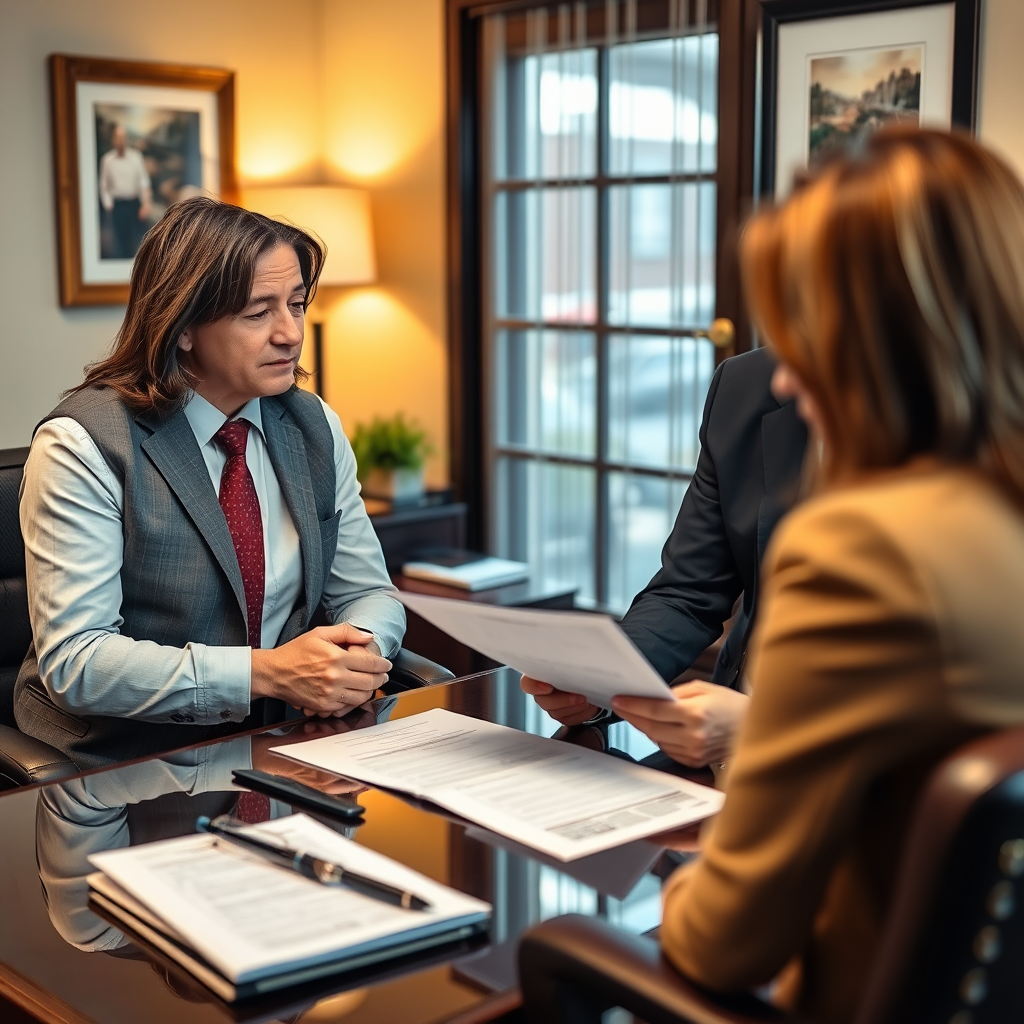
Warren County NY Divorce Lawyer: Your Clear Path Through New York Divorce
As of December 2025, the following information applies. In New York, divorce involves legally ending a marriage, often encompassing property division, child custody, and support. The Law Offices Of SRIS, P.C. provides dedicated legal representation for these matters, helping clients in Warren County find clarity and move forward with their lives. We understand the emotional toll and aim to simplify the legal path, providing direct and empathetic guidance.
Confirmed by Law Offices Of SRIS, P.C.
What is Divorce in New York?
Divorce in New York is the legal process that officially ends a marriage. It’s not just about signing papers; it’s about untangling a life you’ve built with another person. This can involve making big decisions about who gets what property, how finances will be split, and, most importantly for many, how children will be cared for and supported. New York is a ‘no-fault’ divorce state, meaning you can file if your marriage has been ‘irretrievably broken’ for at least six months. This means you don’t have to prove fault like infidelity or abandonment, though these can still be factors in specific parts of the case, particularly regarding marital misconduct or asset distribution.
Blunt Truth: Divorce is rarely simple, even when it feels amicable at the start. There are always legal procedures to follow, and missing a step can cause real headaches down the line. It touches every part of your financial and family life, from bank accounts and retirement funds to the delicate structure of your family unit. Understanding the intricacies of New York’s matrimonial laws is absolutely essential to safeguarding your future.
The state’s domestic relations law governs everything from equitable distribution of assets and debts to spousal maintenance (alimony) and child support. These aren’t just technicalities; they are foundational elements that will shape your life post-divorce. A knowledgeable family law attorney can clarify these concepts, offering practical advice that cuts through the legal jargon and addresses your immediate concerns. It’s about more than just getting divorced; it’s about securing a stable foundation for your next chapter.
Takeaway Summary: Divorce in New York legally dissolves a marriage, requiring decisions on property, finances, and children, and can be filed on a ‘no-fault’ basis, making legal guidance essential. (Confirmed by Law Offices Of SRIS, P.C.)
How to File for Divorce in Warren County, NY?
Facing a divorce means taking a series of important legal steps. It can feel overwhelming, but breaking down the process into manageable stages helps. When you’re considering divorce in Warren County, New York, understanding these steps can bring a lot of clarity and reduce some of the initial fear. Here’s a straightforward look at what you can expect:
-
Meet New York’s Residency Requirements
Before you can even begin the divorce process in New York, you or your spouse must satisfy specific residency requirements. Typically, this means one of you has lived in New York State continuously for at least two years immediately before the divorce action is commenced. Alternatively, if both parties were married in New York and one has resided in the state for at least one year before filing, or if the grounds for divorce occurred in New York and one party has resided in the state for at least one year, or if both parties are residents of New York at the time of filing and the grounds for divorce occurred in New York, you meet the criteria. This isn’t just a formality; it ensures the New York courts have jurisdiction over your case. Getting this wrong can significantly delay your divorce, so it’s worth confirming your eligibility upfront with an experienced attorney.
-
Establish Grounds for Divorce
New York is primarily a ‘no-fault’ divorce state, meaning the most common ground is that your marriage has been “irretrievably broken” for a period of at least six months. This simplifies things considerably, as you don’t have to prove that your spouse did something wrong. However, New York law also recognizes ‘fault’ grounds, such as cruel and inhuman treatment, abandonment for one or more years, imprisonment, or adultery. While less common in modern divorce proceedings due to the ease of no-fault, these grounds can sometimes influence aspects of a case, particularly concerning spousal maintenance or property division if egregious marital misconduct can be proven. Your choice of grounds can impact the strategy of your case, so a discussion with your legal counsel is vital to pick the right path for your situation.
-
Prepare and File Your Divorce Papers
The initial filing officially kicks off your divorce case. This typically involves either a ‘Summons with Notice’ or a ‘Summons and Verified Complaint’. A Summons with Notice simply informs your spouse that you’re seeking a divorce, while a Summons and Verified Complaint outlines the specific grounds for divorce and the relief you’re seeking (like property division, custody, etc.). The choice between these documents depends on the complexity and contested nature of your case. These documents must be filed with the Supreme Court in Warren County. The paperwork can be detailed and complex, requiring precise legal language and adherence to court rules. This is where having a knowledgeable attorney becomes invaluable, as they ensure everything is submitted correctly the first time, preventing delays.
-
Properly Serve Your Spouse
Once your divorce papers are filed with the court, the next crucial step is ‘service of process’. This means legally notifying your spouse that you have filed for divorce. New York law has strict rules about how these papers must be served. Generally, another adult (not you) must personally deliver the documents to your spouse. There are specific timelines and methods that must be followed to ensure the service is valid. Improper service can lead to your case being dismissed or significantly delayed, requiring you to start over. It’s not about being confrontational; it’s about following legal protocols to ensure due process. Your attorney will manage this delicate process, often arranging for a professional process server to handle the delivery with discretion and efficiency.
-
Exchange Financial Information
Divorce inherently involves a division of assets and debts. To do this fairly, both parties must fully disclose their financial situation. This is done through a ‘Statement of Net Worth’, which is a comprehensive document detailing all income, expenses, assets (like homes, bank accounts, investments), and liabilities (debts). This exchange is critical for negotiating equitable distribution, spousal maintenance, and child support. Transparency is key here; hiding assets or providing inaccurate information can lead to severe penalties from the court. Gathering all necessary financial documents—bank statements, tax returns, pay stubs, retirement account statements—can be daunting, but it’s a necessary step to ensure a fair outcome for everyone involved. Counsel at Law Offices Of SRIS, P.C. can assist you in meticulously preparing this crucial statement.
-
Negotiation or Litigation
After all the initial paperwork and financial disclosures, the focus shifts to resolving the outstanding issues. Ideally, you and your spouse can reach an agreement on all matters—property division, child custody, child support, and spousal maintenance—through negotiation, often with the help of your respective attorneys or through mediation. This leads to an ‘uncontested’ divorce where both parties sign a Marital Settlement Agreement. However, if agreements can’t be reached, the case may proceed to ‘litigation’, meaning the court will make decisions after a trial. Litigation can be lengthier and more costly, emphasizing the value of trying to settle outside of court. Your attorney’s skill in negotiation and, if necessary, in court, will be pivotal during this stage to advocate for your best interests.
-
Obtain a Judgment of Divorce
The final step is the entry of the ‘Judgment of Divorce’. This is the court’s official order legally dissolving your marriage and incorporating all the agreements or court decisions regarding property, support, and children. Once signed by a judge and entered by the County Clerk, your divorce is final. This document is incredibly important, as it dictates your rights and responsibilities post-marriage. It is the culmination of all the previous steps and signifies your legal freedom to move forward. Your attorney will ensure all terms are accurately reflected in the final judgment and that all necessary procedural steps are followed to finalize your divorce efficiently. This legal conclusion marks the beginning of your new life chapter.
Can I Get an Uncontested Divorce in Warren County, NY?
Absolutely, an uncontested divorce is a very real possibility in Warren County, NY, and it’s often the preferred route for many couples seeking to end their marriage with less conflict and financial strain. An uncontested divorce occurs when both spouses agree on all the key terms of their separation. This means you both see eye-to-eye on matters like property division, spousal support (alimony), child custody, and child support. It sounds simpler, and in many ways it is, but it still requires careful legal guidance.
Real-Talk Aside: Even when you agree on everything, the legal system has its own rules. You can’t just shake hands and call it a day. There’s specific paperwork to file, disclosures to make, and legal language to use that ensures your agreement is valid and enforceable. Skipping proper legal review, even in an uncontested situation, can lead to nasty surprises down the road, like an agreement being deemed unenforceable or overlooking a critical detail that impacts your future. You might think you’re saving money by doing it yourselves, but you could be setting yourself up for much larger problems later.
The benefits of an uncontested divorce are significant: it’s generally faster, less expensive, and less emotionally draining than a contested divorce where disputes are brought before a judge. It allows you and your spouse to maintain more control over the outcome, rather than having a court dictate the terms of your future. For many families, especially those with children, reducing conflict during this transition is paramount for their well-being.
However, achieving a truly fair and comprehensive uncontested divorce still benefits greatly from legal assistance. Counsel at Law Offices Of SRIS, P.C. can help ensure that your agreement covers all necessary points, protects your long-term interests, and complies with all New York legal requirements. We can draft the necessary documents, review your settlement agreement to spot any potential issues, and guide you through the filing process to ensure a smooth resolution. Our goal is to help you achieve a peaceful and legally sound separation, setting you up for a positive future without unnecessary stress or financial burdens.
Why Choose Law Offices Of SRIS, P.C. as your Warren County NY Divorce Lawyer?
When you’re facing something as personal and profound as divorce, you need more than just a lawyer; you need a seasoned advocate who genuinely understands what you’re going through. At Law Offices Of SRIS, P.C., we offer empathetic, direct, and effective legal representation for individuals in Warren County, New York, grappling with divorce and family law challenges. Our approach is built on clarity and reassurance, helping you move from fear to hope.
Mr. Sris, our founder and principal attorney, brings a wealth of experience to every case. He understands the intricate balance between legal strategy and personal impact. As Mr. Sris himself states:
“My focus since founding the firm in 1997 has always been directed towards personally handling the most challenging and complex criminal and family law matters our clients face.”
This commitment means that when you work with Law Offices Of SRIS, P.C., you’re not just another case file. You’re a person with unique needs, concerns, and a future to protect. We pride ourselves on providing individualized attention, making sure you feel heard and understood throughout the entire process. We know that every divorce story is different, and our legal strategies are tailored to your specific circumstances and goals.
Our firm is dedicated to simplifying the legal process for you. We explain everything in plain language, avoiding confusing legal jargon, so you always know where you stand. Whether your case involves complex asset division, child custody disputes, spousal maintenance negotiations, or navigating the nuances of New York’s divorce laws, our knowledgeable team is prepared to represent your interests vigorously. We focus on achieving the best possible outcome for you, whether that’s through skillful negotiation or, if necessary, determined litigation in court.
Choosing Law Offices Of SRIS, P.C. means choosing a team that stands with you. We believe in being a source of strength and stability during uncertain times. Our goal is to alleviate your burden, allowing you to focus on rebuilding your life. We offer a confidential case review to discuss your situation, understand your concerns, and outline a clear path forward. You don’t have to face this alone. Let our experience be your guide to a brighter future.
Law Offices Of SRIS, P.C.
50 Fountain Plaza, Suite 1400, Office No. 142
Buffalo, NY, 14202, US
Phone: +1-838-292-0003
Call now for a confidential case review and take the first step toward clarity and resolution.
Frequently Asked Questions About Divorce in Warren County, NY
Q1: How long does a divorce typically take in Warren County, NY?
The duration varies greatly. An uncontested divorce with a full agreement can be finalized in six months to a year. Contested cases involving disputes over assets, children, or support can take much longer, sometimes several years, depending on their complexity and court schedules. Patience is often a virtue here.
Q2: What is equitable distribution in New York divorce cases?
Equitable distribution means marital property and debt are divided fairly, but not necessarily equally, between spouses. The court considers many factors like income, duration of marriage, age, health, and contributions to the marriage. It’s a key step in financial separation.
Q3: How is child custody decided in Warren County?
Child custody decisions in Warren County, like all of New York, prioritize the child’s best interests. Factors include the parents’ ability to provide care, stability, and emotional support, as well as the child’s preference if mature enough. Both legal and physical custody are determined.
Q4: What’s the difference between spousal maintenance and child support?
Spousal maintenance (alimony) is financial support paid by one spouse to another after divorce, based on factors like income, earning capacity, and marriage length. Child support is financial assistance for a child’s needs, paid by the non-custodial parent, calculated using specific statutory formulas.
Q5: Can I modify my divorce agreement after it’s finalized?
Yes, some parts of a divorce agreement, particularly those related to child custody, child support, and spousal maintenance, can be modified if there’s a significant change in circumstances. Property division is generally final. Seeking legal counsel for modifications is essential to ensure proper procedure.
Q6: Do I need a lawyer for an uncontested divorce in Warren County?
While not legally required, hiring a lawyer for an uncontested divorce is highly recommended. An attorney ensures your agreement is legally sound, fair, and comprehensive, preventing future disputes or unforeseen issues. They make sure all paperwork is correctly filed, protecting your interests.
Q7: What if my spouse refuses to cooperate with the divorce process?
If your spouse is uncooperative, the divorce becomes contested. Your attorney can file motions to compel cooperation, seek court intervention, or pursue default judgments under certain circumstances. It means more court involvement, but legal steps are available to move the process forward.
Q8: What factors influence spousal maintenance awards in New York?
New York courts consider several factors for spousal maintenance, including the parties’ incomes and assets, earning capacities, age, health, duration of the marriage, and contributions to the other spouse’s career. There are also statutory guidelines that provide a starting point for calculations.
Q9: How are marital debts divided in a New York divorce?
Marital debts, like marital assets, are subject to equitable distribution in New York. This means debts acquired during the marriage are divided fairly between spouses, not necessarily equally. The court considers who incurred the debt and the purpose, among other factors, to ensure fairness.
Q10: What role does mediation play in New York divorce?
Mediation offers a non-adversarial way for divorcing couples to resolve disputes with the help of a neutral third party. It can be a cost-effective way to reach agreements on custody, support, and property without extensive litigation. While not mandatory, it’s often encouraged to foster amicable solutions.
The Law Offices Of SRIS, P.C. has locations in Virginia in Fairfax, Loudoun, Arlington, Shenandoah and Richmond. In Maryland, our location is in Rockville. In New York, we have a location in Buffalo. In New Jersey, we have a location in Tinton Falls.
Past results do not predict future outcomes.